

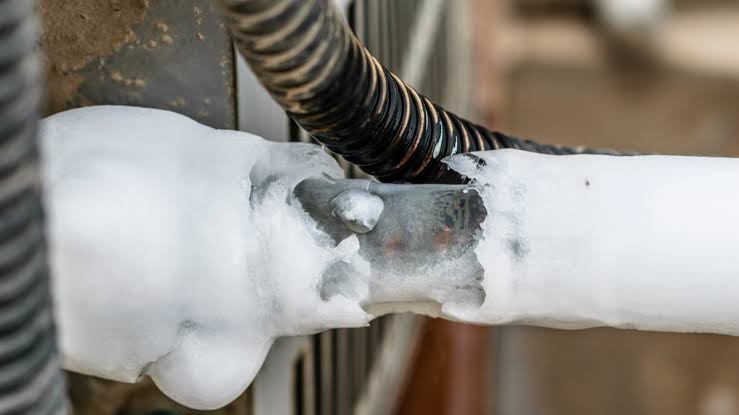
Ice on an air conditioner is more than a curiosity. When the evaporator coil drops below freezing, moisture in the air turns to frost, airflow decreases, and indoor comfort suffers. If the system continues running, a frozen coil can flood the condensate pan when it thaws, soak nearby drywall, and place unnecessary strain on the compressor. The good news is that many freezing problems begin with preventable airflow restrictions or predictable refrigerant issues. With a few safe checks, you can protect the equipment, gather useful information for a technician, and reduce the risk of repeat problems when outdoor temperatures rise.
Early Signs Your AC Is on the Path to a Freeze
Watch for supply registers that feel weak even though the blower is running, supply air that never feels properly cool, or a copper suction line outside that begins to frost near the service valve. A sudden change in fan sound, whistling at a return grille, or a musty odor coming from a damp air handler cabinet can also indicate a developing problem. If you see frost on the coil housing or ice on the insulated suction line, turn off the cooling system immediately and run the indoor fan so the coil can warm up. For a proper diagnosis, schedule a licensed technician, such as Fleetwell Air Conditioning Heating and Plumbing, to inspect airflow and the refrigerant circuit before restarting the cooling system.
What Actually Causes Ice on the Evaporator Coil
The evaporator coil needs adequate airflow and proper refrigerant flow to stay above 32 degrees Fahrenheit. When airflow decreases because of a clogged filter, a dirty blower wheel, closed return grilles, or a collapsed section of flexible duct, the coil temperature can fall below freezing and moisture can turn into ice on the fins. Highly restrictive filters with dense media, including certain high MERV products, can increase static pressure beyond what the blower can effectively overcome. This reduces the amount of air moving across the coil and creates conditions that encourage freezing.
Refrigerant problems can also cause the evaporator coil to freeze. A low refrigerant charge caused by a leak reduces evaporator pressure, which can lower the coil temperature below freezing. A sticking thermostatic expansion valve, a restricted liquid line drier, or a kinked copper line can starve the coil of refrigerant and create a similar result. In either situation, frost often begins where pressure is lowest and gradually spreads across the coil. If the compressor keeps running, the ice thickens, airflow drops further, and the freezing cycle accelerates.
At-Home Checks to Safely Thaw and Assess
First, switch the thermostat to Off and set the fan to On for 30 to 60 minutes to help melt surface frost. Do not chip or scrape ice from the coil or copper lines, as this can puncture tubing or damage delicate coil fins. Place towels or a shallow pan beneath the air handler if it is located in a closet or attic because melting ice can temporarily overwhelm a slow condensate drain. While the system is thawing, remove and inspect the air filter. Confirm that the filter size matches the rack, the airflow arrow points toward the blower, and the filter media is not heavily clogged. Replace the filter if it is dirty.
Once the system has completely thawed, open all supply registers and make sure furniture or other objects are not blocking return grilles. If you have a simple digital thermometer, measure the temperature at a main return grille and at a nearby supply register after the system has operated for 10 to 15 minutes. An unusually small temperature difference may indicate a refrigerant issue or another cooling problem, while an unusually large difference can indicate restricted airflow. Outside, inspect the condenser coil fins and gently rinse away leaves, lint, or other debris from the coil surface if necessary. Maintain at least two feet of clearance around the outdoor unit to support proper airflow. In humid climates, avoid leaving the thermostat fan set to On for long periods after cooling cycles because the fan can cause moisture on the coil to evaporate back into the indoor air and increase humidity.
Common Mistakes That Increase Static Pressure
One common mistake is choosing the most restrictive air filter available without considering the blower capacity or the size of the return ductwork. For example, a homeowner may install a dense, high MERV filter and immediately hear whistling at the return grille, notice weaker airflow, and later find frost on the suction line. The filter increases resistance, static pressure rises, and airflow across the evaporator coil falls below the level needed for normal operation.
Another common mistake is closing several supply registers to push more air into a distant room. Closing registers can increase duct pressure, worsen leakage at duct joints, and reduce overall airflow enough to contribute to coil freezing. Sharp bends in flexible duct, crushed sections of ductwork in an attic, or aftermarket air cleaners with dense filter media can add even more resistance. If a room remains consistently uncomfortable, ask a technician to adjust balancing dampers, improve return air pathways, or modify the duct system rather than closing several registers and placing additional strain on the HVAC system.
Prevention to Schedule Before Peak Heat
A seasonal maintenance visit can help address the underlying causes of evaporator coil freezing. Technicians can measure total external static pressure at the blower, clean the indoor coil and blower wheel, verify refrigerant charge by checking superheat and subcooling, and adjust blower speed settings to better match the duct system. If the return air system is undersized, adding a properly sealed return duct or upgrading a restrictive filter rack can significantly improve airflow. Sealing duct joints with mastic, repairing crushed flexible duct sections, and adjusting balancing dampers can also help distribute conditioned air more evenly without causing excessive pressure.
For routine maintenance, replace one-inch filters regularly or use a deeper media cabinet designed to provide effective filtration with less airflow resistance. Keep at least 12 inches of open space in front of return grilles and make sure the condensate drain remains clear. A safety float switch can shut the system off before water spills if the drain becomes clogged. Instead of closing multiple registers, consider zoning adjustments or a ductless unit for rooms that remain consistently warm. These approaches can improve comfort without creating the static pressure problems associated with blocked registers. If freezing returns after installing a clean filter and opening all vents, turn the cooling system off and contact a licensed HVAC technician. Prompt action can protect the compressor and help the system maintain steady airflow and reliable comfort during periods of peak summer heat.

