

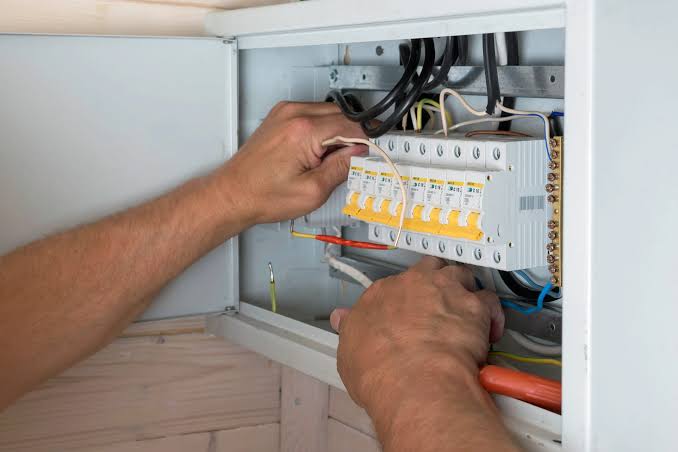
Older homes can operate perfectly well, but their electrical systems were designed for a very different load profile. Today’s homes often have EV chargers, induction ranges, mini-split heat pumps, and whole-home Wi-Fi equipment added to existing lighting and receptacle circuits. When a service panel or the branch circuits connected to it are undersized or worn, clear warning signs often appear. This article explains how to recognize those signals, what they may mean inside the electrical system, and the safest next steps for planning a code-compliant upgrade without relying on guesswork.
Early Signs Your Panel Is Overloaded or Outdated
Frequent breaker trips on 15 amp or 20 amp circuits, lights dimming when the microwave or vacuum starts, and breakers that feel unusually warm are common signs of electrical strain. Buzzing from the panel, scorched conductor insulation, or rust on the enclosure or bus bars may indicate deterioration rather than simply heavy electrical use. Double-tapped breakers, a panel crowded with tandem breakers, or an older fuse box can also suggest the electrical system has been stretched to support more devices than it was originally designed for. Any burning odor, arcing sound, or visible charring requires immediate attention. Avoid touching the panel and contact a licensed electrician promptly.
Some checks require proper instruments and training. A clamp meter can measure current flowing through service conductors, while thermal imaging can identify unusually hot lugs and loose electrical connections before they fail. A licensed Lansdowne Electrician can also evaluate the condition of neutral and grounding conductors, look for shared neutrals that may contribute to nuisance tripping on GFCI or AFCI devices, and verify that bonding connections and grounding electrodes are present and secure. These details are difficult to assess safely without opening electrical equipment.
What Those Symptoms Usually Mean Inside the System
Breakers that trip when a hair dryer and portable space heater operate at the same time often indicate that a branch circuit has reached or exceeded its capacity. A 1500-watt heater alone can draw about 12.5 amps on a 15-amp circuit, leaving little capacity for lighting or other devices. Add the startup current from another appliance, and the breaker may open as designed to protect the wiring. Dimming lights when a microwave starts may indicate voltage drop along a long circuit, a loose neutral connection, or excessive resistance at a breaker or conductor termination.
Older wiring methods can also create compatibility concerns with modern electrical protection. Aluminum branch circuit wiring requires connectors and installation methods approved for aluminum conductors. Improper terminations can contribute to oxidation and overheating. Two wire ungrounded receptacle circuits can complicate equipment grounding and surge protection for modern electronics. Panels filled with tandem breakers may also create problems if those breakers are installed in locations not designed to accept them. A deteriorated service neutral can cause uneven voltage between the two sides of a 120 and 240 volt residential service, sometimes producing unusual symptoms such as lights becoming brighter on one circuit while dimming on another.
Safe Next Steps: From Load Audit to Permit-Ready Plan
Begin with a household electrical load inventory. List major 240 volt appliances, including an electric range with a 40- or 50 amp rating and an electric dryer that commonly uses a 30 amp circuit. This tankless electric water heater may require substantial current, as may a Level 2 EV charger. Include major 120-volt loads such as microwaves, sump pumps, bathroom receptacles, and other dedicated appliances. A proper electrical load calculation applies recognized demand factors to determine whether the existing service and panel have enough capacity for current and planned equipment.
Next, verify the main breaker rating and the number of available panel spaces. If the home has an older 60 amp service or an early 100 amp service with few available spaces, future expansion may be limited. Planning could involve replacing the panel, adding a subpanel for additional circuit spaces, or upgrading the electrical service if the existing conductors and meter equipment cannot support the required capacity. Depending on local requirements, the project may involve permits, inspections, utility coordination, and updates to the grounding electrode system. Accurate circuit labeling and clear documentation can also make future maintenance and troubleshooting much easier.
Retrofit Choices and Tradeoffs for Older Homes
Choosing between a subpanel and a full service upgrade is a common decision. A subpanel can add circuit space for a kitchen renovation, workshop, or home office while keeping the existing main panel. However, adding a subpanel does not increase the total amperage available from the utility service. If you plan to add an EV charger, heat pump, induction range, or several other major electrical loads, upgrading from a 100-amp service to a larger service may be appropriate after a proper load calculation. Homes with underground utility service may require additional work involving conduit or service conductors, which can make the project more complex than an overhead service replacement.
Modern protective devices can often be incorporated during electrical upgrades. AFCI protection may be required for many living area circuits, while GFCI protection is commonly required in kitchens, bathrooms, garages, outdoor locations, and other areas where shock risk is greater. Dual function breakers can provide both types of protection where appropriate. In certain situations, GFCI receptacles may provide downstream protection when compatible breaker options are limited. In some cases, you can replace ungrounded two-prong receptacles with properly labeled GFCI receptacles where permitted. A whole-home surge protective device can also add an extra layer of protection for appliances and electronics.
Two Real-World Fixes Electricians May Use
Scenario one involves a bedroom circuit that trips when a hair dryer and portable heater operate while the lights flicker. An electrician may inspect receptacle connections, repair loose or deteriorated terminations, and determine whether the existing circuit is overloaded. If the room needs more capacity, it may benefit from another properly sized circuit rather than continuing to run several high-demand devices on one branch. Any new circuit should use conductors and protective devices matched to its designed amperage and local electrical requirements.
Scenario two involves installing a Level 2 EV charger in a home with a 100-amp service and a full main panel. A qualified electrician may perform a load calculation to determine whether load management can safely allow the charger to operate within the existing service capacity. Depending on the results, the charger could be configured to draw less current when other large appliances are operating. If the service conductors, meter equipment, or overall capacity are inadequate, upgrading the service and main panel may be the more practical long-term approach. The final installation should follow the charger manufacturer’s instructions and applicable electrical codes.
Plan Electrical Upgrades Before Problems Get Worse
Electrical problems rarely improve on their own. If you notice warm breakers, unusual sounds from the panel, repeated trips during normal household use, or unexplained lighting changes, a structured electrical assessment is safer than repeated trial and error. Start with a realistic load inventory, confirm panel capacity and available circuit space, and plan improvements around the appliances you expect to use in the coming years. Updating appropriate AFCI and GFCI protection and adding surge protection may also strengthen the overall safety of the electrical system. A licensed electrician can turn the findings into a permitted and inspected upgrade designed to support your home reliably for years to come.

