

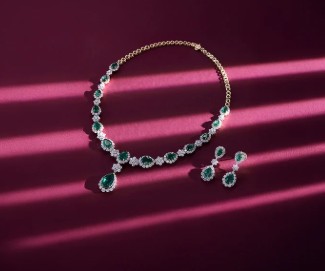
For most of the last century, a diamond purchase followed a fairly predictable script. Someone, usually a partner, saved up quietly, chose a ring, and presented it on one significant occasion. That script hasn’t disappeared, but it’s no longer the only story being told at the counter. Increasingly, the person choosing the diamond is buying it for no one but themselves, and jewellers across Australia are noticing this shift play out in real time, week after week.
A Quiet But Noticeable Shift in Who’s Buying
Walk through the doors of a jewellery store today, and you’re just as likely to meet someone marking a promotion, a finished degree, a decade of running their own business, or simply a milestone birthday they decided was worth celebrating properly. At Nina’s Jewellery, staff have watched this pattern grow steadily, with more customers arriving alone, confident about what they want, and entirely uninterested in waiting for someone else to make the decision for them.
This isn’t a rejection of romance or tradition; it’s an expansion of the occasions considered worthy of a diamond. A promotion earned through years of hard work is, by any reasonable measure, just as meaningful as an anniversary. The diamond hasn’t changed. What’s changed is who feels entitled to choose one.
Why This Shift Makes Sense When You Think About It
Part of this comes down to changing financial independence, particularly among women purchasing diamonds with their own income rather than waiting to receive one as a gift, a shift reflected in growing purchasing power reported across the broader diamond industry. Part of it comes down to a cultural shift away from treating major purchases as milestones requiring someone else’s approval. If you’ve worked toward something significant, the logic of self-gifting suggests you shouldn’t need to wait for another person’s timeline to mark it.
There’s also something refreshing about buying a diamond with zero pressure attached. No guessing what someone else might like, no surprise to stage, no uncertainty about sizing or style. When you’re choosing for yourself, every decision, from the shape of the stone to the setting it sits in, can be made entirely on your own terms, with nobody else’s taste to accommodate.
What Self-Purchasers Tend to Look For
Customers buying for themselves often approach the process differently to those buying for someone else. Rather than choosing a preset design off the shelf, many prefer starting from the stone itself and building outward from there. This is where working with loose diamonds becomes particularly appealing, giving a buyer the freedom to select the exact cut, clarity and carat weight they want before deciding how the finished piece should look. It flips the traditional order of things, starting with the diamond’s individual character rather than a predetermined setting.
This approach also tends to result in more considered purchases overall. Someone selecting a diamond for themselves, with time to compare options and no occasion deadline pressing on the decision, often spends longer weighing quality factors like cut and colour than a rushed engagement purchase might allow. The result tends to be a piece chosen with genuine intention rather than urgency.
It’s Not Just Rings
While engagement rings understandably dominate the popular image of diamond buying, self-purchasers are just as likely to choose earrings, pendants or a simple diamond band worn on the right hand rather than the left. These pieces carry their own quiet symbolism, worn as a personal reminder of an achievement rather than a signal to anyone else. There’s no need for the piece to announce anything to the outside world. Its meaning belongs entirely to the person wearing it.
This flexibility is part of what makes self-purchased diamonds interesting from a design perspective too. Without the constraints of matching a partner’s taste or budget expectations shaped by tradition, buyers tend to experiment more, choosing colours, shapes and settings they simply like rather than what’s considered conventional for the occasion.
How Nina’s Jewellery Is Responding
Recognising this shift, Nina’s Jewellery has leaned into offering more flexible, build-your-own-style options, allowing customers to start with a stone they love and shape a piece around it rather than choosing from a fixed catalogue alone. Staff report that these conversations tend to be longer and more detailed than a typical gift purchase, with customers asking thoughtful questions about cut proportions, certification and how a stone will wear over years of daily use.
This kind of engagement makes sense when you consider what’s actually happening. A self-purchased diamond isn’t an impulse buy; it’s usually the result of genuine reflection on what someone has accomplished and how they want to mark it. That deserves the same care and attention as any other significant purchase, if not more.
A Trend Worth Celebrating
There’s something genuinely positive about this shift, beyond simply being a new retail pattern worth tracking. It suggests people are increasingly comfortable acknowledging their own achievements without waiting for someone else to do it for them. A diamond, in this context, becomes less about romantic tradition and more about personal recognition, a small, permanent marker of a moment someone decided was worth remembering properly.
Whether that moment is a first solo home purchase, a hard-won business milestone, or simply surviving a genuinely difficult year with your head held high, there’s a strong argument that it deserves marking just as much as any anniversary ever has. Diamonds have always been symbols. What’s changing is who gets to decide what they symbolise, and increasingly, more people are deciding that includes themselves too.
For anyone considering this path, the process is more approachable than it might seem. Understanding the basics, from the four Cs of cut, colour, clarity and carat, to what suits an everyday piece versus an occasional one, makes the decision far less daunting. It’s a purchase that rewards a little patience and curiosity, resulting in something that will likely be worn and appreciated for decades, chosen by exactly the right person for exactly the right reason.

