

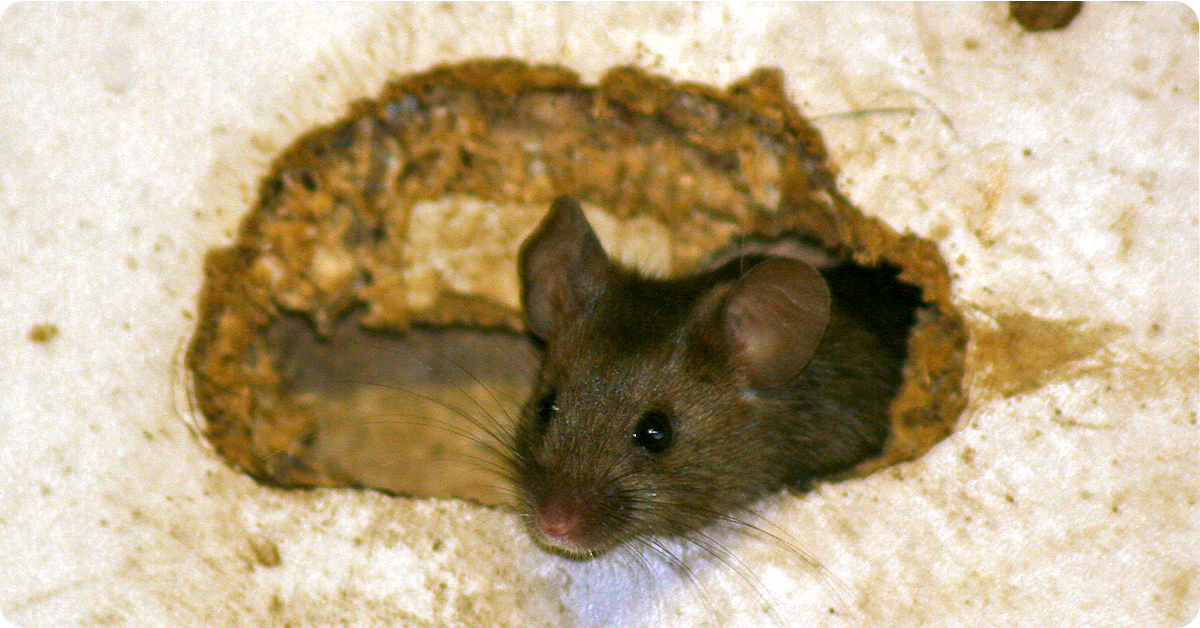
Rodents can become a serious nuisance when they gain access to homes, commercial buildings, storage areas, garages, or other structures. Mice and rats are adaptable animals that can take advantage of food, water, shelter, and small openings in buildings. Although an occasional sighting may seem insignificant, repeated signs such as droppings, gnaw marks, scratching sounds, nesting materials, or damaged food packaging can indicate a larger problem. Addressing these signs promptly can help prevent property damage, contamination, and continued reproduction.
Rodent control involves more than simply removing visible animals. A successful approach considers why rodents are entering a property, where they are finding food and shelter, how they are gaining access, and what conditions are allowing the population to remain established. Combining exclusion, sanitation, monitoring, trapping, and professional treatment when appropriate can provide a more comprehensive solution than relying on a single method.
Understanding rodent behavior is an important first step. Once property owners know what attracts rodents and how they move through buildings, they can make practical changes that reduce the likelihood of an infestation and help protect the property over the long term.
Understanding Common Rodent Behavior
Mice and rats are highly adaptable and can live in environments where food and shelter are readily available. They often remain hidden during the day and become more active when surroundings are quiet, which means property owners may not see them even when an infestation is present.
Rodents can squeeze through surprisingly small openings, particularly mice. Cracks around foundations, gaps beneath doors, openings around pipes, damaged vents, and spaces around utility lines can provide access into a building.
Once inside, rodents may move along walls, behind cabinets, beneath appliances, inside ceilings, or through other concealed areas. Their ability to remain hidden makes early detection particularly important.
Recognizing Signs of Rodent Activity
Droppings are among the most common signs of rodent activity. They may appear near food storage areas, along walls, inside cabinets, behind appliances, or in other locations where rodents travel.
Gnaw marks are another warning sign. Rodents need to maintain their continuously growing front teeth, so they may chew on wood, cardboard, plastic, insulation, wiring, and other materials.
Other signs can include shredded paper or fabric used for nesting, unusual odors, scratching or movement sounds, disturbed food packaging, and greasy marks along frequently traveled surfaces.Finding multiple types of evidence can indicate that rodents are actively using the property rather than merely passing through.
Why Rodents Enter Buildings
Rodents generally seek three basic resources: food, water, and shelter. Buildings can provide all three, especially when food is easily accessible and entry points are not properly sealed.
Pet food, garbage, crumbs, stored grains, pantry items, and improperly sealed containers can provide attractive food sources. Leaking pipes, condensation, pet water bowls, and other moisture sources may also contribute.
Shelter can be found in wall cavities, attics, storage areas, basements, garages, cluttered rooms, and spaces containing insulation or nesting materials.Removing or reducing these resources can make a property less attractive and can support other treatment methods.
Inspecting the Property for Entry Points
A thorough inspection is one of the most important parts of managing a rodent problem. Exterior walls, foundations, roofs, doors, windows, vents, and utility entry points should be examined for openings.Small gaps may be difficult to notice without careful inspection. Areas around plumbing, electrical conduits, air-conditioning lines, and other service penetrations can create access points.
Doors should close properly and have suitable seals where needed. Damaged screens and vents should also be repaired.Sealing openings is often referred to as exclusion, and it can be an important component of long-term prevention because it addresses how rodents enter rather than simply removing animals that are already inside.
Improving Food Storage
Proper food storage can significantly reduce opportunities for rodents. Dry goods should generally be stored in sturdy, sealed containers rather than thin packaging that rodents can easily chew through.Food spills should be cleaned promptly, and pantry areas should be inspected regularly for damaged packaging or signs of contamination.
Pet food should also be stored appropriately. Leaving food available overnight can provide a consistent food source for rodents.Garbage containers should remain closed, and waste should be removed according to an appropriate schedule. Outdoor garbage areas should also be kept clean to reduce potential food sources.
Clutter can provide rodents with hiding places and nesting materials. Cardboard boxes, piles of paper, unused fabric, insulation, and other stored materials may create suitable shelter.Storage areas should be organized so that walls and floors remain accessible for inspection. Keeping items elevated where practical can also make signs of activity easier to identify.Reducing clutter does not necessarily eliminate rodents by itself, but it can make the environment less suitable and make early detection easier.
Managing Outdoor Conditions
Rodent problems can originate outside the building. Overgrown vegetation, piles of leaves, wood, construction materials, discarded items, and dense ground cover can create shelter close to the structure.Keeping outdoor areas reasonably maintained can reduce available hiding places. Vegetation should be managed so that it does not create unnecessary access routes to roofs, vents, or other openings.
Firewood and similar materials should be stored appropriately and away from areas where they can provide easy shelter next to the building.Outdoor food sources should also be considered, including unsecured garbage, bird feeders, compost, and spilled pet food.
Rodents can cause physical damage by gnawing on a wide variety of materials. Electrical wiring is a particular concern because damaged insulation can create electrical hazards.Insulation, ducting, wood, plastic, and other building components may also be damaged by nesting and chewing.
If rodent activity is suspected in areas containing electrical wiring, property owners should have the affected area evaluated by an appropriate professional. Simply removing visible nesting material may not reveal hidden damage.Early detection can help limit the extent of repairs required.
Using Traps Effectively
Trapping can be an effective method for reducing rodent populations inside buildings. Different trap designs are available, and placement is important because rodents often travel along walls and established pathways.
Traps should be positioned carefully and kept away from children and pets. The number and placement of traps should reflect the extent of the activity.
Simply placing one trap in an open area may not be effective if rodents are traveling elsewhere. Observation of droppings, gnaw marks, and other evidence can help identify likely travel routes.When an infestation is significant, professional assistance may be appropriate to develop a more systematic trapping and monitoring plan.
Understanding Rodenticides
Rodenticides are products designed to control rodents, but they require careful handling and responsible use. They can pose risks to children, pets, wildlife, and non-target animals if misused.
Product labels provide important information about placement, handling, application, and disposal. These instructions should always be followed.Professional pest management services may use secured bait stations or other controlled approaches when appropriate. This can help reduce accidental access by non-target animals.
Rodenticides should not be treated as a substitute for exclusion and sanitation. If food and entry points remain available, new rodents may continue to enter after treatment.
The Importance of Exclusion
Exclusion focuses on preventing rodents from entering or re-entering a building. This can involve sealing gaps, repairing damaged doors, reinforcing vents, screening openings, and addressing other structural vulnerabilities.
The materials used for sealing should be suitable for the location and resistant to rodent damage. Some soft materials may be inadequate when used alone because rodents can chew through them.Exclusion should be combined with interior monitoring. If rodents are already inside, simply sealing exterior openings without addressing the existing population may trap animals indoors or leave activity unresolved.A coordinated approach is therefore important.
Protecting Kitchens and Food Areas
Kitchens require particular attention because they often contain food, water, warmth, and shelter. Cabinets, pantries, appliances, and storage spaces should be inspected regularly.
Food should be kept in sealed containers, crumbs should be cleaned promptly, and appliances should be checked for food debris.Areas beneath refrigerators, ovens, and cabinets can sometimes remain undisturbed for long periods, allowing rodents to move without being noticed.
Regular cleaning and inspection can make these areas less attractive and make signs of activity easier to detect.
Rodent Prevention in Commercial Properties
Commercial buildings may face additional challenges because they can contain larger food supplies, storage areas, loading zones, waste facilities, and complex structural systems.
Restaurants, warehouses, offices, retail spaces, and other commercial environments may require documented inspection and monitoring programs.
Employees should understand basic prevention practices, such as keeping food properly stored, cleaning spills, reporting sightings, and keeping doors closed when appropriate.A professional pest management plan can help commercial property managers identify vulnerabilities and establish regular monitoring procedures.
Protecting Stored Goods
Warehouses, garages, workshops, and storage rooms may contain materials that attract rodents or provide nesting opportunities. Cardboard packaging and stored food products can be particularly vulnerable.
Items should be organized to permit regular inspection. Damaged packages should be investigated rather than ignored, and signs of gnawing or droppings should be addressed promptly.
Where appropriate, storage containers can provide an additional physical barrier against contamination and damage.Good organization also makes it easier to identify changes in inventory and recognize unusual activity.
Cleaning After Rodent Activity
Cleaning areas contaminated by rodent droppings or nesting material requires appropriate precautions. Dry sweeping or vacuuming contaminated material can potentially disturb particles and increase exposure.
The area should be handled according to appropriate public health and safety guidance. Protective equipment and suitable cleaning methods may be necessary depending on the extent of contamination.Contaminated food packaging should be evaluated carefully and discarded when appropriate.
When contamination is extensive or located in difficult-to-access spaces, professional cleaning or pest management assistance may be appropriate.
Why Quick Action Matters
Rodents can reproduce relatively quickly under favorable conditions. A small problem can therefore become more difficult to manage if it is ignored.
Early signs should be investigated rather than dismissed. A single sighting does not always mean a large infestation, but it can justify checking the property for entry points, food sources, and other evidence.Prompt action can also reduce property damage. The longer rodents remain established, the greater the opportunity for nesting, chewing, contamination, and reproduction.Regular inspections can help identify activity before it becomes extensive.
Treatment should not necessarily be considered complete immediately after visible rodent activity decreases. Monitoring helps determine whether the underlying problem has actually been resolved.
New droppings, gnaw marks, sounds, or damaged packaging may indicate continued activity. Conversely, the absence of fresh evidence over an appropriate monitoring period can provide useful information about progress.Monitoring should include both interior and exterior areas. New entry points may appear due to building movement, weather damage, construction, or deterioration.Ongoing inspection supports long-term prevention.
Professional Pest Management
Professional rodent control services can be useful when an infestation is persistent, widespread, or difficult to locate. Experienced pest professionals can inspect the property, identify likely entry points, evaluate environmental conditions, and develop a treatment plan.
Professional services may combine exclusion, trapping, monitoring, sanitation recommendations, and carefully controlled products when appropriate.
A qualified provider should explain the proposed treatment, areas requiring attention, safety precautions, and recommended follow-up procedures.This approach can provide a more structured solution than repeatedly treating individual sightings without identifying the underlying cause.
Preventing Future Infestations
Long-term prevention requires continued attention to the conditions that attract rodents. Buildings should be inspected periodically for new gaps, damaged seals, broken screens, and other vulnerabilities.Food and waste should remain properly managed, while storage areas should be kept organized and accessible for inspection.
Outdoor conditions should also be monitored. Vegetation, debris, stored materials, and water sources can all influence rodent activity around a structure.Prevention becomes much easier when it is incorporated into routine property maintenance rather than treated as a response to an emergency.
Choosing the Right Approach
When dealing with rodent control, the appropriate strategy depends on the species involved, the size of the infestation, the property’s construction, available food sources, and the locations where activity has been observed.
A small issue may be manageable through sanitation, exclusion, and careful monitoring. A persistent infestation may require professional inspection and a more comprehensive treatment plan.
Property owners should avoid relying solely on visible sightings because rodents often remain hidden. Evidence such as droppings, nesting material, and gnaw marks can provide valuable information about where activity is occurring.The goal should be to remove existing rodents while also correcting the conditions that allowed them to enter and remain in the first place.
Conclusion
Rodent problems can affect both residential and commercial properties, causing discomfort, contamination, structural damage, and potential safety concerns. Because mice and rats are adaptable and capable of entering through relatively small openings, prevention requires attention to both the building and its surrounding environment.
Effective management combines several strategies. Sealing entry points can reduce access, proper food storage can remove attractants, organized storage can limit shelter, and routine inspections can help identify early signs of activity. Trapping and carefully managed treatments may provide additional support when rodents are already established.
Professional rodent control can be particularly valuable when activity persists despite preventive measures or when the source of the problem is difficult to identify. A professional assessment can help uncover hidden entry points and develop a coordinated plan that addresses both current activity and future prevention.
Ultimately, successful rodent management is not simply about removing the animals that are visible today. It is about creating conditions that make a property less accessible and less attractive to rodents over time. With consistent sanitation, structural maintenance, monitoring, and appropriate professional assistance when necessary, property owners can reduce the risk of recurring infestations and maintain a cleaner, more secure environment.

