

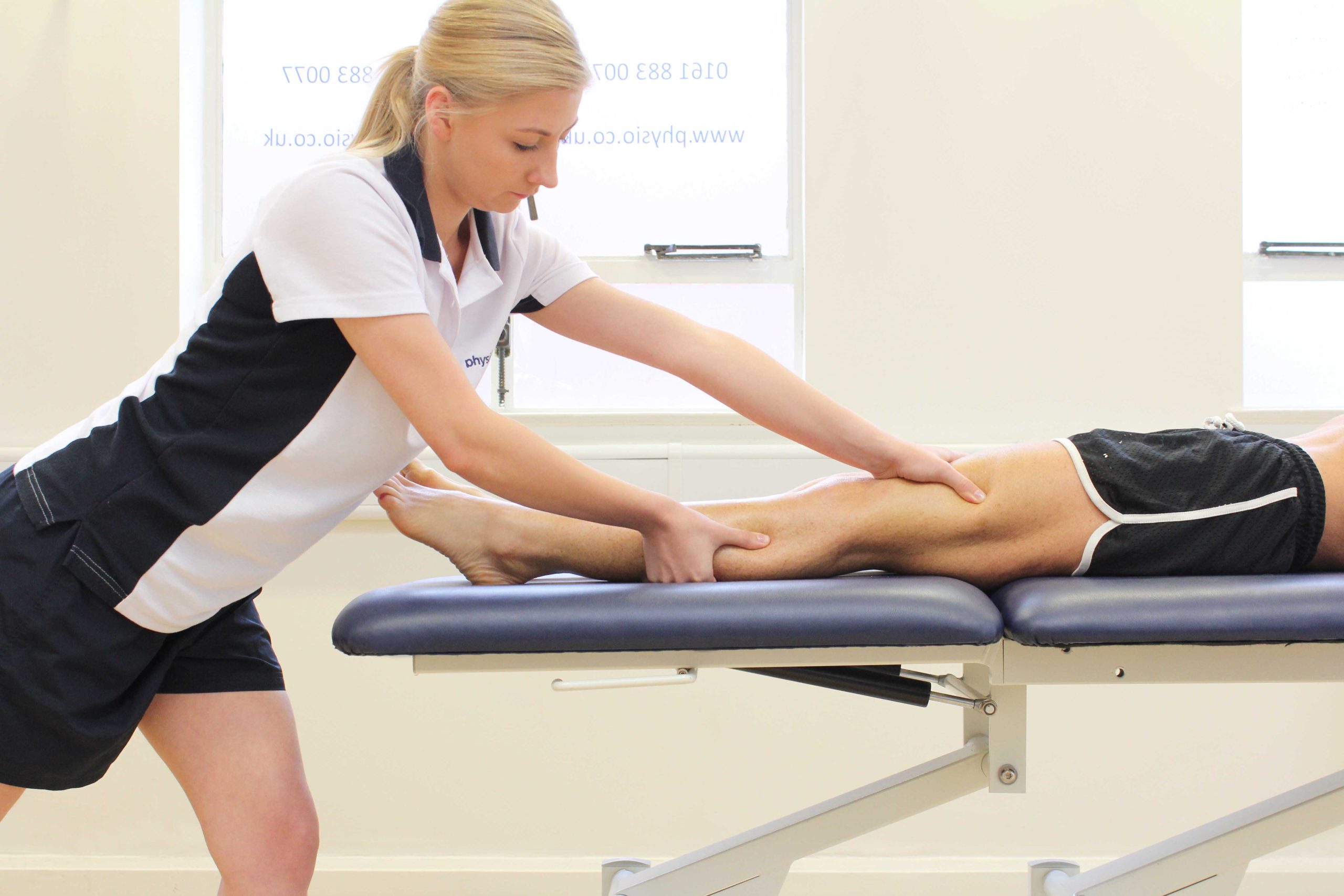
Sprains, tendinopathy, and nagging back or shoulder pain rarely linger because the body “forgot” how to heal. More often, recovery gets stuck behind a handful of fixable rehab mistakes. Early decisions about rest, load, strength work, and movement patterns shape how tissues remodel and how quickly you get back to running, surfing, lifting, or even pain-free desk work. This article breaks down four common errors that keep symptoms around and explains what a good rehab plan looks like when it targets the right tissue, at the right intensity, at the right time.
No two injuries are identical. A graded plan depends on the tissue involved (muscle, tendon, joint, nerve), its irritability (how easily it flares), and your actual tasks (stairs, paddling, cutting and sprinting). Evidence-informed physiotherapy organizes these variables so that swelling, strength, mobility, and confidence improve together. If you recognize one of the mistakes below, use the corrections as a framework to discuss with your clinician and to guide your day-to-day training choices.
Relying on Rest Alone After a Sprain or Tendinopathy
Total rest sounds logical when an ankle is swollen or an Achilles tendon is sore, but tissues adapt to the forces you apply. Two weeks off may settle pain, yet collagen fibers in a tendon remodel along the lines of stress. With no loading, they reorganize poorly, and the next run or set of box jumps can re-ignite symptoms. A runner with Achilles tendinopathy who stops all activity often returns to hills too quickly, only to feel that familiar morning stiffness and mid-stance pain again.
Swap “time off” for “relative rest.” Keep the joint quiet while you control swelling and range (for example, gentle ankle pumps and dorsiflexion work to restore ankle motion), but load the tissue early at tolerable levels. Isometric calf holds can dampen pain without aggravation; later, slow eccentric heel raises off a step build capacity through length. Maintain conditioning with cycling or deep-water running to spare impact. The rule of thumb is simple: pain during and after should stay mild and settle quickly; if it lingers or spikes overnight, pull back the next day. During periods of recovery, gentle self-care measures, such as using magnesium oil spray, can also be included as part of a broader relaxation routine.
Guessing Load Instead of Tracking It
Alternating “go hard” days with complete rest is a common pattern and a reliable way to chase flare-ups. Tissue irritability reflects the recent load you have asked it to handle, not just today’s plan. A desk worker with a recent lumbar strain might feel good after a quiet week, jump into heavy deadlifts and long garden sessions on Saturday, then deal with spasms and limited flexion by Monday. The problem is not the exercise, it is the unmeasured leap in volume and intensity.
Track what you actually do. A simple diary with session type, duration, and perceived effort is enough to show whether you are nudging capacity up or yo-yoing. Runners can log minutes, terrain, and cadence changes; lifters can note sets, tempo, and range; field athletes can record accelerations, cutting drills, and scrimmage minutes. Aim for small weekly increases, and factor sleep and stress into decisions. When symptoms are more irritable, shrink volume or choose variations that lessen joint load, such as flat routes over hills or trap-bar pulls over conventional deadlifts.
Skipping Strength at End Range and in Single-Leg Positions
Many people rebuild mid-range strength but avoid the positions that provoke pain in real life. Patellofemoral pain often flares when the knee tracks forward on stairs or during a step-down; an ankle sprain exposes deficits when you land and pivot on one leg. If rehab ends at leg presses and double-leg squats, you can feel strong in the gym yet still wince on a downhill or during lateral shuffles.
Prioritize control where it counts. For knees, sprinkle in terminal knee extensions with a band, slow step-downs, and split-squat variations that load the quads and hip abductors at deeper angles. For ankles, progress from balance holds to single-leg calf eccentrics off a step and multi-direction hops with quiet landings. Shoulder pain in swimmers or surfers rarely resolves without end-range work, such as external rotation at 90 degrees of abduction and scapular upward-rotation drills. Build from isometric holds to slow eccentrics and, when calm, tempo reps through full range. Strength that does not reach end range does not transfer well to hills, stairs, and cutting.
Treating the Pain Site, Not the Movement Pattern
Where you feel pain is not always why you feel it. Knee pain can be driven by hip mechanics and stride choices; shoulder impingement-like symptoms can be fed by stiff thoracic mobility and poor scapular control. A surfer with lateral shoulder pain might stretch the rotator cuff and ice after every session, but if the ribcage stays locked and the scapula does not upwardly rotate during paddling, symptoms return as soon as the sets roll in.
Look upstream and downstream. For running-related knee pain, small gait tweaks help: a slightly higher cadence can reduce knee joint load, and hip abductor and external rotator strength curbs dynamic valgus on landings. For shoulders, combine thoracic extension work, posterior cuff strengthening, and technique cues that keep the hand slightly under the elbow during paddling. Manual therapy and soft-tissue work can calm irritability; rigid taping or a brace may provide short-term support. The trade-off is that passive support can limit motion if overused, so pair any quick fix with movement retraining that teaches the body to control those positions without props.
Put together, effective rehab is not mysterious. It is structured exposure to the tasks you care about, guided by symptoms and by what your body can handle today. Keep load changes gradual, restore end-range control, and address the pattern that produces pain instead of only treating where it hurts. Before your next appointment, jot down the activities that still bother you, bring a brief training log, and be ready to test the real tasks you want to return to, whether that is sprinting, paddling, or carrying the groceries up two flights. After you are better, maintain a couple of short strength sessions weekly and keep an eye on sudden training spikes; that is how progress turns into staying well.

