

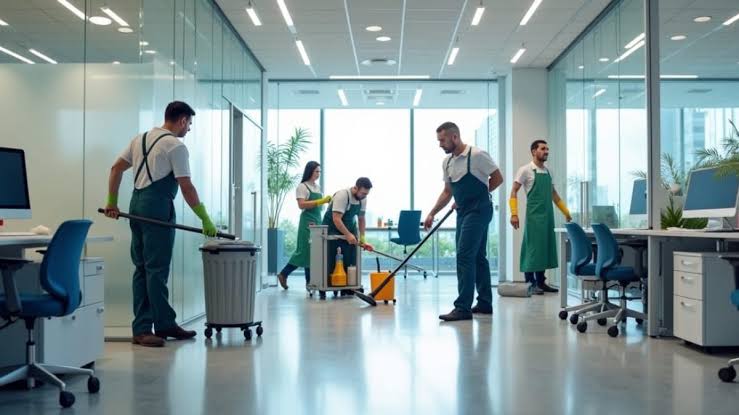
Office managers and facility teams in Sydney rarely need more chores added to their day. They need a cleaning schedule that fits their building’s rhythm, protects high-touch areas, meets security requirements, and keeps people productive. That requires more than a nightly vacuum and bin collection. It means matching tasks and timing to how each space is used, which surfaces are present, and what Sydney’s weather brings through entryways. This article offers a practical framework for building or refining a schedule that aligns with real workdays. As a result, kitchens stay hygienic, meeting rooms reset on time, and floors last longer without constant interruption.
-
Start With Real Constraints: People, Spaces, and Building Rules
Map the non-negotiable requirements first. Identify occupancy peaks, hot desking areas, client floors, and spaces with constant foot traffic, such as lift lobbies and corridors. Note building rules regarding access outside normal hours, noise, and waste disposal areas. Then identify cleaning windows that work around those constraints. Many teams begin by examining how cleaning scopes are structured in the local market and reviewing examples such as Sydney office cleaning services from Australian Cleaning Care to understand typical task groupings and timing before tailoring a plan to their own workplace.
Two scenarios show why these constraints matter. A 40-person startup in Surry Hills with hot desking and shared monitors may need an afternoon cleaning visit to wipe keyboards, desk edges, and phone handsets, along with quick kitchen resets between lunch periods. A legal practice spread across several floors with client-facing meeting rooms may prioritize discreet daytime porter coverage to reset rooms, clean glass partitions, and address carpet spots in corridors, while leaving most vacuuming and mopping until after normal working hours to protect privacy and reduce noise.
-
Map Tasks and Frequencies to Surfaces and Hygiene Risk
List the office surfaces and match an appropriate cleaning method to each one. Use microfiber cloths for frequently touched surfaces such as door handles, lift buttons, and bannisters because they capture fine particles effectively. Choose a neutral pH cleaner for stone benchtops to reduce the risk of etching and use a suitable degreaser for kitchen splashbacks. Follow the required disinfectant contact time on restroom taps and flush controls. Vacuum carpets daily in heavily used areas with a HEPA filter vacuum, and treat spills promptly to reduce staining. Damp mop vinyl and sealed concrete with flat microfiber pads to limit excess moisture, and schedule grout cleaning and descaling to keep showers, sinks, and basins sanitary.
Consider the practical trade-offs between different products and methods. Strong alkaline cleaners may remove stubborn kitchen grease faster, but frequent use can damage certain floor finishes. Reserve them for targeted cleaning and rinse surfaces when required. Stainless steel lift interiors often benefit from light polishing, but excessive product can create smears and attract fingerprints. Regular microfiber buffing may be more effective on frequently touched panels. In open-plan offices, vacuuming the entire floor every night may not be necessary if traffic is concentrated in specific zones.—instead, direct cleaning time to frequently touched surfaces and rotate deeper cleaning in quieter sections.
-
Choose Timing Windows: Day Porter, After Hours, and Periodic Work
Day porter coverage works well for spill response, restroom inspections, and meeting room resets. Typical duties include replenishing soap and paper towels, sanitizing kitchen benches between busy lunch periods, and emptying recycling when containers become full during the day. Cleaning outside regular business hours suits tasks involving noise, moisture, and movement, including full vacuuming of open areas, mopping kitchens and corridors, and removing rubbish throughout the workplace. Reduce disruption by completing quieter tasks first on occupied floors and scheduling work that produces noticeable odors, such as oven cleaning, when mechanical ventilation is still operating.
Periodic cleaning helps protect both appearance and building materials. Schedule monthly dust removal from high surfaces in exposed ceiling areas, quarterly detailing of windows and glass partitions, and machine scrubbing of vinyl floors when grit begins to affect the finish. Carpets can benefit from low-moisture encapsulation cleaning to lift embedded soil while drying faster, with periodic hot water extraction in heavily used corridors when appropriate. A common mistake is saving every periodic task for one large cleaning session at the end of a lease or reporting period. Spreading these tasks throughout the year helps maintain consistent standards and avoids sudden disruption over several nights.
-
Control Cross-Contamination and Air Quality
The tools and cleaning systems you choose can directly affect hygiene. Use color-coded cloths and mop heads so equipment used in restrooms never reaches kitchen benches or food preparation areas. A two-bucket system with separate clean and rinse water can reduce dirty-water transfer. Sealed cleaning caddies also help keep restroom brushes away from kitchen equipment. HEPA filter vacuums can reduce fine dust released back into open workspaces and may help teams sensitive to dust. Entry matting should also receive regular attention. Vacuum it daily, and clean or replace inserts as needed so moisture and grit are captured at the entrance instead of damaging vinyl or embedding in carpet seams.
Sydney’s weather also affects cleaning priorities. During humid periods, bathrooms may develop mildew around grout and silicone, so add ventilation checks and targeted mold cleaning to the schedule. During rainy weeks, moisture and dirt tracked indoors can increase quickly. Extend lobby cleaning during these periods and add absorbent mats where necessary to reduce slipping hazards and water marks on hard floors. When outdoor air quality is affected by smoke or pollen, check vacuum filters more frequently and pay additional attention to frequently touched shared equipment, including lift buttons, refrigerator handles, and adjustable desk controls.
Build Accountability Without Micromanaging
Turn the cleaning plan into a site-specific scope of work with clear frequencies. Examples might include daily cleaning of frequently touched surfaces, nightly floor care, weekly cleaning of refrigerator handles and microwave interiors, monthly dusting of high surfaces, and quarterly glass detailing. Set minimum stock levels for consumables such as hand soap, bin liners, and paper towels so day porters can replenish them before supplies run out. Maintain a simple digital checklist or logbook for restroom inspections, spill responses, and periodic cleaning tasks. Contractor access should also follow building security procedures, including key management and sign-in requirements.
A brief monthly walkthrough with the cleaning provider can keep the schedule aligned with the way the office actually operates. Adjust cleaning times after office moves, add or remove bins based on waste patterns, and change cleaning frequency when occupancy or foot traffic changes. Instead of treating the original cleaning plan as permanent, use it as a working document that reflects current building conditions.
Cleaning schedules are most effective when they match how the office actually functions. Start with fixed constraints, then match surfaces and hygiene risks with appropriate cleaning methods, tools, and timing. Use day porters to maintain standards during business hours and reserve noisier, wetter, or more disruptive tasks for times when fewer employees are present. Spread periodic cleaning throughout the year to protect finishes and avoid unnecessary shutdowns. Finally, review the plan regularly against your office calendar, seasonal weather, and any changes to floor use. A flexible cleaning schedule can protect health, appearance, and workplace assets while causing less disruption to the working day.

