

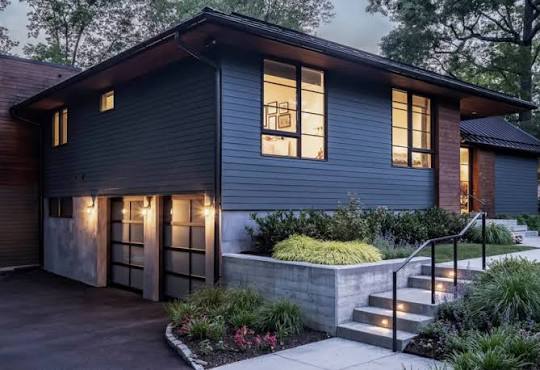
Siding is one of the most important components of a home’s exterior because it contributes to both visual appeal and protection from everyday environmental exposure. While siding is often selected for its color, texture, and architectural appearance, its practical role is equally important. A properly installed siding system helps protect exterior walls from moisture, wind, temperature changes, sunlight, and other conditions that can gradually affect building materials. It can also influence maintenance requirements, energy performance, and the overall appearance of a property. Because siding is expected to perform for many years, homeowners should consider more than the immediate appearance of a new installation. Material quality, preparation, installation methods, ventilation, flashing, moisture management, and ongoing maintenance all contribute to the long-term performance of the exterior. Working with an experienced siding contractor can help homeowners evaluate these factors and develop an exterior improvement plan that addresses both practical requirements and design preferences.
Understanding the Purpose of a Siding System
A siding system does much more than provide a finished appearance for exterior walls. It forms an important part of the building envelope and works together with other components to help manage moisture and environmental exposure. Rain, snow, wind-driven water, sunlight, and seasonal temperature changes can all place stress on exterior materials. When siding is properly selected and installed, it can help shield underlying wall assemblies from these conditions while allowing the exterior to maintain a consistent appearance. Different siding materials provide different characteristics, including variations in durability, maintenance requirements, impact resistance, moisture management, and design flexibility. Understanding these differences allows homeowners to select a system that fits the structure rather than choosing a product based only on appearance. Professional evaluation is particularly valuable when an existing siding system has developed damage, because visible problems may sometimes indicate concerns behind the exterior surface.
Choosing the Right Siding Material
Selecting siding material is one of the most important decisions in an exterior renovation. Homeowners may consider vinyl, fiber cement, composite materials, wood, metal, or other siding options depending on the property’s design and performance requirements. Each material has its own characteristics related to durability, appearance, maintenance, installation, and expected service life. Vinyl siding is often selected because of its broad range of colors and relatively low maintenance requirements, while fiber cement can provide a durable exterior with a variety of textures and profiles. Wood siding offers a traditional appearance but may require more regular maintenance to protect against moisture and deterioration. Composite products can provide additional design flexibility and may be suitable for homeowners seeking a balance between appearance and durability. Instead of assuming that one material is universally appropriate, homeowners should consider climate exposure, architectural style, maintenance expectations, budget, and the condition of the existing wall system before making a final decision.
Preparing the Exterior Before Installation
Proper preparation is essential for achieving reliable siding performance. Installing new siding over an exterior without addressing underlying problems can create complications that become more expensive to correct later. Before installation begins, the existing exterior should be evaluated for signs of moisture intrusion, damaged sheathing, deteriorated framing, inadequate flashing, or other conditions that could affect the new system. Surfaces may need to be repaired, cleaned, leveled, or prepared according to the requirements of the selected siding material. Openings around windows and doors require particular attention because these areas are common locations for moisture infiltration when flashing and drainage details are not properly handled. Preparation also provides an opportunity to identify problems that may not be visible after the new siding has been installed. A thorough assessment creates a stronger foundation for the project and helps ensure that the finished exterior performs as intended.
The Importance of Professional Installation
Even high-quality siding can perform poorly when installation is rushed or improperly completed. Siding materials are designed to be installed according to specific procedures that account for expansion, contraction, fastening, alignment, drainage, and ventilation. Incorrect fastening can restrict movement or create visible distortion, while poor alignment can affect the appearance of the entire exterior. Professional installation also helps ensure that corners, seams, transitions, openings, and other vulnerable areas receive appropriate attention. Experienced installers understand how different siding materials behave under changing temperatures and environmental conditions, allowing them to follow manufacturer requirements while adapting the installation to the characteristics of the building. Choosing a qualified siding contractor therefore involves more than hiring someone to attach panels to the wall. The quality of preparation, installation, detailing, and finishing can all influence the long-term result.
Managing Moisture Around Exterior Walls
Moisture management should be a major consideration during any siding project. Water can enter exterior wall assemblies through poorly sealed openings, damaged flashing, inadequate transitions, or installation defects. Once moisture becomes trapped behind siding, it may contribute to deterioration of sheathing, framing, insulation, or other materials. Effective siding systems are designed to work with drainage and weather-resistant components rather than relying solely on the visible siding surface to prevent water intrusion. Proper flashing around windows, doors, corners, roof intersections, and other transitions can help direct water away from vulnerable areas. Maintaining appropriate clearances and following installation requirements also supports drainage and ventilation. Homeowners should therefore view siding as part of a larger exterior protection system rather than an isolated decorative layer.
Coordinating Siding With Roofing
The roof and siding work together to protect the exterior of a home, which makes coordination between these systems particularly important during renovation projects. Roof edges, soffits, fascia, wall transitions, and exterior trim can all affect how siding is installed and finished. If roofing and siding work are being completed at the same time, planning the projects together can help prevent unnecessary disruption and improve the overall appearance of the finished exterior. Proper coordination also allows contractors to identify areas where water may move from the roof toward the walls and ensure that flashing and drainage details are appropriately addressed. A coordinated exterior renovation can create a more consistent appearance while supporting the functional relationship between roofing and wall systems. Homeowners planning multiple exterior upgrades should discuss how each project will interact before work begins.
Improving Curb Appeal Through Siding
Siding has a major influence on how a home looks from the outside. Color, profile, texture, trim, and installation patterns can change the visual character of a property without requiring structural modifications. Homeowners can use siding selections to create a traditional, contemporary, minimalist, or highly detailed exterior depending on the architectural style and personal preferences. Combining siding with carefully selected trim can highlight windows, doors, rooflines, and other architectural features. However, attractive design should not come at the expense of practical performance. A successful siding project balances appearance with durability, maintenance requirements, moisture management, and installation quality. When these elements are considered together, the exterior can provide lasting visual appeal while also supporting the protective function of the building envelope.
Recognizing When Siding Needs Attention
Existing siding can show several signs that indicate the need for professional evaluation. Cracked or loose panels, warping, bubbling, discoloration, excessive fading, recurring moisture stains, and deteriorated sections may indicate that repairs or replacement should be considered. In some situations, isolated damage can be repaired without replacing the entire exterior. In other cases, widespread deterioration may make replacement a more practical long-term solution. Homeowners should also pay attention to areas where siding repeatedly develops problems after previous repairs. Recurring issues may suggest that the underlying cause has not been addressed. A professional inspection can help determine whether visible damage is primarily cosmetic or whether it may be associated with moisture, installation, or structural concerns. Addressing problems early can reduce the risk of allowing relatively manageable issues to develop into more extensive exterior repairs.
Considering Maintenance Requirements
Maintenance expectations should be considered before selecting a siding material. Every siding system requires some level of care, even when the material is marketed as low maintenance. Regular visual inspections can help homeowners identify damaged panels, loose trim, gaps, staining, or other developing concerns before they become more difficult to address. Cleaning methods should be appropriate for the specific siding material because excessive pressure or unsuitable cleaning products can damage certain finishes. Vegetation should also be managed around exterior walls so that branches, vines, or other growth do not create unnecessary moisture exposure or physical contact with the siding. Keeping gutters and downspouts functioning properly is another important part of exterior maintenance because uncontrolled water runoff can affect siding and lower wall areas. Consistent maintenance helps preserve appearance while supporting the long-term performance of the exterior system.
Evaluating Long-Term Value
The cost of a siding project should be evaluated in terms of long-term value rather than the initial installation price alone. Material cost, labor, preparation, maintenance, repairs, durability, appearance, and expected service life can all influence the total ownership experience. A less expensive material may require more maintenance or may not provide the characteristics a particular property needs. Conversely, a higher-priced product should be considered based on its actual benefits rather than price alone. Homeowners should compare complete project proposals and determine what is included in the scope of work. Important details may include removal of existing siding, disposal, wall preparation, flashing, trim, insulation considerations, installation procedures, cleanup, and warranty information. Understanding these details makes it easier to compare options accurately and avoid unexpected expenses during the project.
Selecting an Experienced Professional
Choosing the right professional is an important part of achieving a successful siding renovation. Homeowners should look for contractors who can clearly explain the proposed materials, preparation process, installation methods, expected maintenance, and project timeline. A reliable professional should be willing to inspect the existing exterior rather than providing a recommendation based only on limited information. Communication is also important because homeowners need to understand what will happen before, during, and after installation. Written estimates can help clarify the scope of work and identify which services and materials are included. Experience with the selected siding material is another useful consideration because installation techniques can vary significantly between products. A qualified contractor should also understand how siding interacts with roofing, windows, doors, trim, flashing, and other exterior components.
Planning a Complete Exterior Improvement
A siding project can provide an opportunity to evaluate other areas of the exterior at the same time. Homeowners replacing siding may also consider the condition of windows, exterior trim, gutters, soffits, fascia, roofing, and insulation. This does not mean every component needs to be replaced, but reviewing related systems can help identify areas that may benefit from attention. Coordinating improvements can sometimes create a more consistent finished appearance and reduce the need to disturb newly installed siding later. For example, exterior trim may need to be updated to complement a new siding profile, while roof-edge components may require attention where they meet the wall system. Careful planning allows homeowners to prioritize improvements based on condition, budget, and long-term goals rather than making decisions reactively after installation has already begun.
Conclusion
A well-planned siding project can improve much more than the appearance of a home’s exterior. Properly selected and professionally installed siding can contribute to moisture management, durability, maintenance efficiency, curb appeal, and long-term exterior protection. The most successful projects begin with an assessment of the existing structure and continue through careful material selection, detailed preparation, professional installation, and consistent maintenance.
Homeowners should consider how siding interacts with roofing, windows, doors, trim, drainage, and other parts of the building envelope so that the finished exterior functions as a coordinated system. Working with an experienced siding contractor can provide valuable guidance throughout the process and help ensure that important installation details are addressed. By focusing on both performance and appearance, homeowners can make informed improvements that support the property’s condition and exterior character for years to come.

