

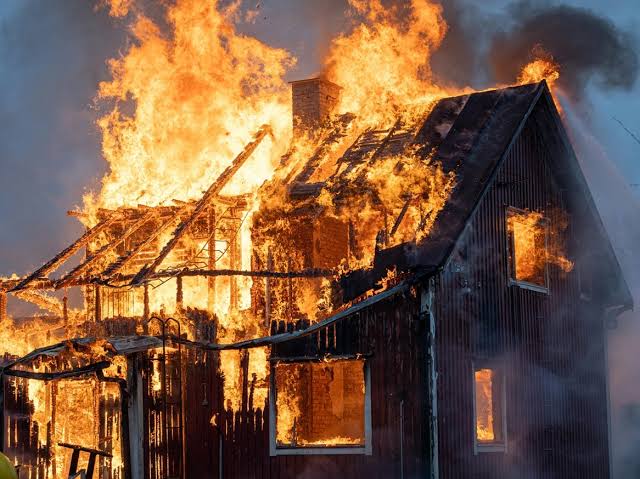
Fire can cause devastating damage to a property within a very short period of time. Even when flames are contained to a relatively small area, smoke, soot, heat, and water used during firefighting can affect rooms and belongings far beyond the original fire zone. After the emergency has been controlled, property owners are often left facing damaged walls, ceilings, flooring, furniture, electrical systems, personal belongings, and structural materials. The restoration process is therefore much more involved than simply cleaning visible burn marks. Effective recovery requires careful assessment, removal of damaged materials, smoke and odor treatment, water extraction, structural drying, cleaning, repairs, and detailed attention to safety.Fire damage restoration is the process of returning a fire-affected property to a safe and usable condition after an incident. Restoration professionals evaluate the extent of the damage, identify materials that can be salvaged, remove items that cannot be restored, and use specialized techniques to address smoke, soot, moisture, and odors. Acting promptly is important because secondary damage can continue even after the flames have been extinguished. Smoke residues can settle into surfaces, water can encourage microbial growth, and weakened structural materials may deteriorate further if they remain exposed to moisture or unstable conditions.
Understanding the Different Types of Fire Damage
Fire damage is not limited to the areas directly touched by flames. A property can experience several categories of damage at the same time, and each requires a different restoration approach. Direct fire damage includes materials that have been burned, charred, melted, or structurally weakened by intense heat. Depending on the severity of the incident, this can affect walls, ceilings, flooring, doors, windows, insulation, roofing materials, furniture, and other contents.Smoke and soot damage can spread much farther than the flames themselves. Smoke particles can travel through ventilation systems, gaps, and open areas, settling on walls, ceilings, cabinets, furniture, fabrics, and personal possessions. Soot may leave dark marks, but the damage is not always visible immediately. Some smoke residues can be acidic or chemically reactive and may gradually stain or corrode surfaces if they are not properly removed.Water damage is another major concern after a fire because firefighting operations often involve substantial amounts of water. Water can enter flooring, walls, ceilings, insulation, and furniture. If it is not removed and affected materials are not dried appropriately, secondary damage can develop. This means that fire recovery frequently involves both fire-related restoration and water-damage mitigation.Heat can also affect materials without completely burning them. Plastics may warp, electrical components may deteriorate, adhesives can weaken, and certain structural materials can lose strength. A professional assessment is therefore necessary to determine which components remain safe and which require repair or replacement.
Why Immediate Action Matters
The period immediately after a fire is important because damage can continue to develop even after the flames are gone. Smoke residue may settle deeper into porous materials over time, making cleaning more difficult. Moisture left behind after firefighting can penetrate hidden areas, while damaged roofing, windows, or doors may leave the property exposed to additional weather-related problems.Prompt restoration can help reduce the extent of secondary damage. A professional team can inspect the property, identify urgent hazards, secure vulnerable areas, remove standing water, and begin appropriate drying and cleaning procedures. Early intervention may also increase the number of belongings and building materials that can be successfully salvaged.Property owners should avoid entering severely damaged areas until they have been assessed as safe. Fire can weaken structural components, damage electrical systems, and create hazards that are not obvious from a visual inspection. Smoke residues and contaminated water can also create health and sanitation concerns. Safety should therefore remain the first priority throughout the restoration process.
The Initial Property Assessment
A thorough inspection is one of the most important steps in the restoration process. Professionals evaluate the visible and hidden effects of fire, smoke, heat, and water. The assessment may include examining walls, ceilings, floors, roofing, insulation, electrical systems, plumbing, HVAC components, and structural elements.Documentation is also important. Photographs, written observations, measurements, and inventories can help establish the extent of the damage. Property owners may need this information when communicating with insurance providers, contractors, property managers, or other relevant parties.The assessment also helps separate salvageable items from materials that require disposal. Not everything exposed to smoke or water needs to be thrown away. Depending on the material and severity of contamination, furniture, clothing, documents, electronics, decorative objects, and other possessions may be candidates for specialized cleaning and restoration.A careful assessment prevents unnecessary demolition and helps create a practical restoration plan. Rather than treating the entire property as equally damaged, professionals can focus their efforts on areas and materials that require specific forms of treatment.
Securing the Property After a Fire
A fire can leave a building vulnerable to additional damage and unauthorized access. Windows may be broken, doors may be damaged, sections of the roof may be compromised, and other openings may expose the interior to weather and security risks.Property securing may involve boarding damaged windows, covering openings, placing temporary barriers, or installing protective coverings where appropriate. The exact measures depend on the condition of the building and the level of structural damage.This stage is important because restoration cannot proceed effectively if the property remains exposed. Rain, wind, animals, or unauthorized entry can create additional damage and complicate the recovery process. Securing the structure provides temporary protection while more extensive repairs and restoration work are planned.
Smoke and Soot Removal
Smoke and soot cleanup is one of the most specialized aspects of fire restoration. Different types of fires produce different smoke residues, and these residues can behave differently depending on the materials that burned. For example, smoke produced by natural materials may leave different residues than smoke from plastics, synthetic fabrics, or petroleum-based products.Professional cleaning methods are selected according to the affected material and the type of residue present. Hard surfaces may require specialized cleaning solutions and techniques, while porous materials may require deeper treatment. Fabrics, carpets, upholstery, and clothing can sometimes be cleaned using specialized processes designed to remove soot and smoke odors.Soot should not simply be wiped across a surface without considering the material underneath. Improper cleaning can spread the residue, cause staining, or permanently damage delicate surfaces. Professional restoration teams therefore assess the material before selecting an appropriate cleaning method.Smoke odors can also remain after visible soot has been removed. Odor molecules may become absorbed into porous materials, insulation, fabrics, and other components. Specialized deodorization procedures may be necessary to address persistent odors and restore a more comfortable indoor environment.
Water Removal and Structural Drying
Because water is commonly used to extinguish fires, water damage is often closely connected with fire restoration. Standing water should be removed as quickly as practical, particularly when it has entered porous materials or areas that are difficult to access.Professional restoration teams may use pumps, extraction equipment, air movement systems, and dehumidification equipment to remove moisture and dry affected areas. The goal is not simply to make visible surfaces appear dry. Moisture can remain inside walls, floors, ceilings, insulation, and other materials even when the surface feels dry.Moisture monitoring helps determine whether drying has been effective. Professionals may use specialized meters and other equipment to assess moisture levels in different materials and locations. This helps reduce the risk of leaving hidden moisture behind.If moisture remains for too long, it can contribute to deterioration, unpleasant odors, and microbial growth. Proper drying is therefore an essential part of protecting the property after a fire.
Cleaning and Restoring Personal Belongings
A fire can damage far more than the building itself. Clothing, photographs, furniture, books, electronics, artwork, kitchenware, documents, and personal possessions may be exposed to smoke, soot, heat, or water. Some items may appear beyond recovery but can sometimes be restored using specialized cleaning techniques.Content restoration begins with sorting and documentation. Items may be categorized according to their condition, material, and likelihood of successful restoration. Some belongings can be cleaned on-site, while others may need to be transported to a specialized facility.Documents and photographs require particularly careful handling because they can be damaged by both fire and water. Specialized restoration techniques may sometimes recover information or preserve important materials that would otherwise be lost.The decision to restore or replace an item depends on several factors, including the type of material, extent of damage, sentimental or practical value, restoration cost, and likelihood of successful recovery. Professional guidance can help property owners make informed decisions rather than automatically discarding everything exposed to smoke or water.
Addressing Smoke Odors
Smoke odor can be one of the most persistent reminders of a fire. Even after walls and floors have been cleaned, odor can remain in fabrics, insulation, furniture, carpeting, HVAC systems, and other porous materials.Simply masking the smell with air fresheners usually does not address the underlying problem. Effective odor control requires identifying and treating the materials where smoke particles have settled. Depending on the circumstances, professionals may use specialized cleaning, deodorization, ventilation, and air-treatment methods.HVAC systems deserve particular attention because smoke can travel through ductwork and circulate throughout a property. If the system was operating during the fire, smoke residues may have entered air-handling components and ductwork. A professional evaluation can determine whether cleaning or other treatment is appropriate.The objective of odor restoration is to remove or neutralize the source rather than temporarily covering the smell. This approach provides a more durable result and contributes to a cleaner indoor environment.
Repairing Structural Damage
Some fire incidents cause damage that extends beyond surfaces and contents. Structural components may be weakened by heat, direct flames, water exposure, or firefighting activities. Roof systems, framing, walls, ceilings, floors, doors, and windows may require repair or replacement.Structural work should be approached carefully because cosmetic improvements cannot compensate for underlying safety problems. A damaged wall may appear stable while concealed components have been weakened. Professional inspection can help determine whether structural repairs are required before restoration continues.Repair methods depend on the construction type and severity of the damage. Some areas may require localized replacement, while more extensive incidents may require major reconstruction. Coordination between restoration professionals, contractors, engineers, and other specialists may be necessary for complex properties.The goal is to restore the building to a safe and functional condition while addressing both visible damage and hidden problems that could affect its long-term performance.
Electrical System Inspection
Electrical systems can become hazardous after a fire. Heat, water, smoke, and direct physical damage can affect wiring, outlets, panels, appliances, switches, and other electrical components. Even systems that appear visually intact may have hidden damage.Electrical components should therefore be professionally evaluated before normal use resumes. Damaged wiring or equipment may require replacement, while circuits may need to be tested before being placed back into operation.Attempting to restore electrical service without appropriate inspection can create serious risks. Fire restoration should prioritize safety over speed, particularly when water and electrical systems have been in contact.
Working With Insurance During Restoration
Insurance claims can add another layer of complexity to the recovery process. Property owners may need to document damaged structures, contents, repair estimates, temporary expenses, and other losses. Detailed records can make communication with an insurance provider more organized.Photographs and videos of the property can be valuable, provided they can be taken safely. Keeping receipts, invoices, estimates, and inventories can also help maintain a clear record of expenses and restoration activities.Restoration professionals may assist with documentation and communication, depending on the services they provide. However, property owners should review their insurance policy and communicate directly with their insurer regarding coverage, deductibles, exclusions, and claim requirements.The restoration process should be documented from the initial inspection through cleaning, repairs, and final completion. Good documentation provides a clear record of what was damaged and what work was performed.
Choosing a Professional Restoration Company
Selecting a qualified restoration company is an important decision after a fire. Property owners should consider experience, availability, communication, equipment, restoration procedures, and the company’s ability to manage the different types of damage involved.A reliable provider should begin with a thorough assessment rather than immediately recommending extensive demolition or replacement. The company should explain what has been damaged, what can potentially be restored, and what steps are necessary to make the property safe.Clear communication is especially important during stressful situations. Property owners should receive understandable information about the restoration process, expected timelines, required repairs, and any limitations that may affect the outcome.It can also be helpful to ask about documentation, warranties where applicable, and the qualifications of the technicians performing specialized work. A professional approach should prioritize safety, careful assessment, appropriate cleaning methods, and long-term restoration rather than simply making the property look better temporarily.
Preventing Additional Damage After a Fire
Once the immediate emergency has ended, protecting the property from additional damage becomes a major priority. Openings should be secured, standing water should be removed, and vulnerable materials should be protected from further exposure. Personal belongings should be handled carefully, particularly items affected by soot or moisture.Ventilation and drying should be managed appropriately rather than relying solely on natural airflow. Some areas may require professional equipment to remove hidden moisture effectively.Property owners should also avoid using damaged appliances, electrical equipment, or HVAC systems until they have been properly evaluated. Even if an item appears to work, internal damage may create safety concerns.Prompt action, professional assessment, and careful documentation can make the restoration process more organized and reduce the risk of secondary damage.
Final Thoughts
Recovering from a fire is a complicated process that requires attention to much more than the areas visibly affected by flames. Smoke, soot, heat, water, odors, structural damage, and electrical problems can all contribute to the overall impact of a fire. Addressing each category properly is essential for returning the property to a safe and usable condition.Professional fire damage restoration combines emergency response, property assessment, water removal, structural drying, smoke and soot cleaning, odor treatment, contents restoration, structural repairs, and final cleanup. The specific approach depends on the severity and nature of the incident, but the overall objective remains the same: stabilize the property, prevent additional damage, and restore salvageability. Smoke residues and moisture can cause additional deterioration if they remain untreated, while damaged structures may become more materials, and repair or replace components that cannot be recovered.Taking action quickly can make an important difference. Smoke residues and moisture can cause additional deterioration if they remain untreated, while damaged structures may become more vulnerable over time. Professional assessment helps identify hidden problems and provides a structured path toward recovery.Although a fire can be an overwhelming experience, a well-organized restoration process can help property owners move from emergency response toward rebuilding and normal use. With careful evaluation, appropriate cleaning and drying techniques, specialized restoration methods, and qualified repair work, many damaged properties and belongings can be recovered successfully. The most important steps are to prioritize safety, document the damage, address secondary risks promptly, and work with experienced professionals who understand the complexities of fire-related property restoration.

