

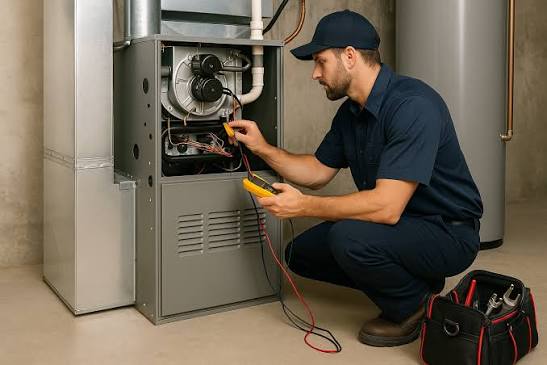
A properly installed furnace can make a significant difference in indoor comfort, energy efficiency, and the long-term reliability of a home’s heating system. Although furnaces are designed to operate for many years, their performance depends heavily on correct sizing, careful installation, appropriate ventilation, and regular maintenance. Choosing the right equipment is only part of the process; professional installation ensures that the furnace works safely and efficiently from the beginning.When homeowners begin considering a new heating system, they often focus primarily on the purchase price. However, the total value of a furnace depends on several factors, including its efficiency rating, capacity, fuel type, installation requirements, operating costs, and expected service life. A unit that appears inexpensive initially may become costly if it is poorly sized or inefficient. Conversely, a properly selected and professionally installed system can provide consistent warmth while helping control energy consumption.
Understanding the Basics of a Furnace
A furnace is a heating appliance designed to warm indoor spaces by generating heat and distributing it throughout a building. Many residential furnaces use natural gas, propane, electricity, or other energy sources. Forced-air furnaces typically heat air and use a blower fan to circulate that conditioned air through ductwork and into individual rooms.Gas furnaces generate heat by burning fuel inside a combustion chamber, while electric furnaces use heating elements to produce warmth. Although the heating installation process must account for the characteristics of the building and the requirements of the specific furnace. Factors such as available space, ductwork configuration, electrical supply, fuel connections, ventilation, drainage, and thermostat compatibility can all influence the installation. This is why simply methods differ, both types depend on properly functioning controls, airflow, electrical components, and safety systems.The installation process must account for the characteristics of the building and the requirements of the specific furnace. Factors such as available space, ductwork configuration, electrical supply, fuel connections, ventilation, drainage, and thermostat compatibility can all influence the installation. This is why simply placing a new furnace where an old unit was located does not always guarantee proper performance.
Why Proper Installation Matters
Correct installation is essential because a furnace is part of a larger heating system. Even an efficient furnace can perform poorly if the ductwork is undersized, the airflow heating system and the building’s requirements. The technician can determine whether the current ductwork, electrical system, venting, and other components is restricted, the unit is incorrectly configured, or the thermostat is not properly connected.A professional installation begins with an assessment of the existing heating system and the building’s requirements. The technician can determine whether the current ductwork, electrical system, venting, and other components are suitable for the new equipment. If modifications are necessary, they can be addressed before the furnace is placed into regular operation.Safety is another major consideration. Gas-powered equipment requires careful attention to fuel connections, combustion air, exhaust gases, venting, and safety controls. Improper installation can create serious hazards. Electrical furnaces also require correct electrical connections and appropriate circuit capacity indoor temperatures during colder weather. It may run for extended periods and fail to provide adequate heat when. Professional installation helps ensure that these systems are configured according to applicable requirements and manufacturer specifications.
Choosing the Correct Furnace Size
One of the most important decisions during furnace installation is selecting the correct heating capacity. A furnace that is too small may struggle to maintain comfortable indoor temperatures during colder weather. It may run for extended periods and fail to provide adequate heat when demand is high.A furnace that is too large can create different problems. An oversized unit may reach the thermostat setting quickly and shut down before distributing heat evenly throughout the building. Frequent starting and stopping can reduce comfort, increase mechanical wear, and potentially affect efficiency.Proper sizing should therefore be based on the heating requirements of the building rather than simply matching the capacity of an existing furnace. A professional assessment can consider factors such as building size, insulation, windows, ceiling height, climate conditions, air leakage, and other characteristics that influence heating demand.
Understanding Furnace Efficiency Ratings
Efficiency is another important consideration when selecting a furnace. Modern furnaces are available with different efficiency levels, and a higher-efficiency model can convert a greater portion of its energy into useful heat under the appropriate operating conditions.For gas furnaces, efficiency is commonly expressed using an annual fuel utilization efficiency rating. Higher efficiency can reduce fuel consumption, although the actual savings depend on factors such as usage patterns, building characteristics, local energy prices, maintenance, and thermostat settings.Homeowners should not automatically choose the furnace with the highest available efficiency. The most appropriate model depends on the building, budget, expected usage, existing equipment, and installation requirements. A professional can explain the differences between available models and how each option fits the home’s heating needs.
Preparing for the Installation
Before installation begins, the technician should evaluate the location where the new furnace will be placed. Adequate space is necessary for installation, service access, airflow, and safe operation. The surrounding area should not interfere may involve gas lines, electrical connections, ductwork, venting, condensate drains, and thermostat wiring. These connections should be handled with access to important components.Existing equipment must be disconnected and removed carefully. Depending on the system, this may involve gas lines, electrical connections, ductwork, venting, condensate drains, and thermostat wiring. These connections should be handled systematically to prevent damage to surrounding components.The installation area should also be inspected for conditions that could affect the new furnace. Poor ventilation, damaged ductwork, inadequate drainage, or an unsuitable electrical supply may need to be addressed before the installation can be completed to move the conditioned air through the supply ducts and into the living spaces. If the duct system is poorly designed or has significant leaks, noise, pressure issues, and energy losses. Return-air restrictions can be particularly problematic because the furnace depends on adequate accuracy.
Connecting the Furnace to the Ductwork
The ductwork is a critical part of a forced-air heating system. Once the furnace generates heat, the blower must move the conditioned air through the supply ducts and into the living spaces. If the duct system is poorly designed or has significant leaks, the furnace may not deliver heat effectively.During installation, the supply and return connections should be correctly sized and sealed. Improper connections can create airflow problems, noise, pressure issues, and energy losses. Return-air restrictions can be particularly problematic because the furnace depends on adequate airflow for proper heat exchange.Existing ductwork should not automatically be assumed to be suitable for a new furnace. Changes in furnace capacity or blower performance can make previously acceptable ductwork less appropriate. A professional assessment can identify restrictions or modifications that may be needed.
Fuel and Electrical Connections
Gas furnaces require carefully installed fuel connections. The gas supply must be compatible with the equipment, and connections need to be properly secured and tested. Venting must also be configured correctly so combustion products are safely discharged from the building.Electrical connections are equally important. The furnace’s electrical components, blower motor, controls, ignition system, and other equipment must receive the appropriate power supply. Incorrect wiring can cause malfunctions or create safety risks.Because both fuel and electrical systems can present serious hazards, these aspects of furnace installation should be handled by qualified professionals. Homeowners should not attempt complex fuel or high-voltage electrical work as a do-it-yourself project.
Thermostat Installation and Configuration
The thermostat acts as the control point for the heating system. It communicates the desired indoor temperature to the furnace and determines when the system should operate.When replacing an older furnace, thermostat compatibility should be considered. Some modern furnaces use advanced controls or variable-speed technology that may require compatible thermostat equipment. A new thermostat can also provide features such as programmable schedules, remote access, temperature monitoring, and improved control.Correct thermostat placement matters as well. It should generally be located where it can measure representative indoor conditions without being directly affected by drafts, sunlight, cooking appliances, doors, windows, or other localized temperature changes.
Testing the New Furnace
After installation, the furnace should be thoroughly tested before the work is considered complete. The technician should verify that the unit starts testing may include checking combustion-related operation, ignition, flame characteristics, exhaust or venting, and correctly, reaches the appropriate operating sequence, distributes heated air properly, and responds to thermostat commands.For a gas furnace, testing may include checking combustion-related operation, ignition, flame characteristics, exhaust or venting, and safety controls. Electrical components and airflow should also be evaluated.The technician should check for unusual sounds, vibrations, airflow restrictions, or complete startup and commissioning process provides an important opportunity to verify that the equipment is functioning as intended rather than simply assuming that a successful startup has other signs of improper operation. Any installation-related issues should be corrected before the furnace is placed into routine service.A complete startup and commissioning process provides an important opportunity to verify that the equipment is functioning as intended rather than simply assuming that a successful startup means the installation is finished.
Common Furnace Installation Mistakes
Several installation mistakes can reduce the effectiveness of a new furnace. One of the most common is incorrect sizing. Installing a unit based only on the capacity of an old furnace can result in an oversized or undersized system.Another issue is inadequate airflow. A furnace needs sufficient return air and properly designed supply ductwork. Restrictions can cause performance problems and may place additional stress on the system.Poor duct sealing is another common concern. Air escaping through unsealed connections can reduce the amount of heated air that reaches occupied rooms. It can also cause the furnace to operate longer than necessary.Improper venting or fuel connections are particularly serious because they can affect safety. These components must be installed according to applicable requirements and the manufacturer’s specifications.Finally, skipping the final testing process can allow installation problems to go unnoticed. A professional should verify the complete system rather than stopping immediately after the furnace starts.
How Long Does Furnace Installation Take?
The duration of an installation depends on the complexity of the project. Replacing an existing furnace with a compatible model may require less time than installing a completely example, relocating the furnace, replacing damaged ductwork, modifying the venting arrangement, installing a new thermostat, or addressing drainage requirements new system or modifying ductwork, electrical connections, ventilation, or other components.Additional work can also increase installation time. For example, relocating the furnace, replacing damaged ductwork, modifying the venting arrangement, installing a new thermostat, or addressing drainage requirements may require additional labor.A professional installer should be able to explain the expected scope of work before the project begins. Understanding what is included can help homeowners distinguish between a straightforward replacement and a more extensive heating-system upgrade.
Maintaining a Newly Installed Furnace
Even the best furnace requires regular maintenance. A new system should be maintained according to the manufacturer’s recommendations to help preserve performance and reliability.One of the simplest maintenance tasks is keeping the air filter clean. A heavily restricted filter can reduce airflow and make the blower work harder. Filter requirements vary by system, so homeowners should follow the recommendations for their specific equipment.Professional maintenance can include inspection of electrical connections, blower components, heat exchangers, burners, safety controls, drainage, and other parts. Regular service may also identify developing problems before they result in an unexpected breakdown.Keeping the area around the furnace clear is also important. Storage items should not block access to the equipment or interfere with airflow and service requirements.
Signs That a Furnace May Need Attention
A newly installed furnace should provide consistent heating without unusual behavior. If the system begins producing strange noises, cycling excessively, failing to reach the desired temperature, or producing unusual odors, the issue should be investigated.Uneven heating can have several causes, including airflow restrictions, ductwork problems, thermostat issues, or furnace performance problems. Frequent cycling may be associated with thermostat settings, airflow, sizing, or other technical conditions.A sudden increase in energy consumption can also be a warning sign, particularly if usage patterns and weather conditions have not changed significantly. Although energy costs can vary for many reasons, an unexpected change in furnace performance is worth investigating.If a gas furnace produces a persistent burning or fuel-related odor, homeowners should treat the situation seriously and follow appropriate safety procedures rather than continuing normal operation.
Repair Versus Replacement
Eventually, every furnace reaches a point where replacement becomes more practical than continued repair. A new furnace may also be considered when an existing system has frequent breakdowns, declining efficiency, obsolete components, or significant mechanical problems.The decision should not be based solely on age. The condition of the furnace, repair history, operating costs, available parts, efficiency, and expected future performance should all be considered.For a relatively new furnace with a minor problem, repair may be sufficient. For an older system with multiple recurring problems, replacement may offer a more sustainable long-term solution. A qualified technician can evaluate the equipment and explain the available options without relying on assumptions.
Benefits of Professional Furnace Installation
Professional installation provides more than simply connecting a new appliance. It ensures that the furnace, ductwork, thermostat, electrical supply, fuel system, ventilation, and safety controls work together as intended.Correct installation can improve comfort by supporting consistent airflow and temperature control. It can also help the equipment operate according to its intended efficiency and reduce the likelihood of problems caused by improper setup.Professional installation may also protect the manufacturer’s warranty requirements. Many manufacturers specify installation and servicing requirements that must be followed for warranty coverage to remain valid. Homeowners should review the warranty documentation and ask the installer about any relevant requirements.Most importantly, professional installation addresses the safety aspects of heating equipment. Furnaces involve combustion, electrical power, moving components, and high temperatures. Correct installation reduces the risk associated with these systems.
Making an Informed Furnace Installation Decision
Selecting and installing a furnace is a significant investment, but careful planning can make the process much easier. Start by evaluating the building’s heating requirements rather than choosing equipment based only on price or the size of an existing unit.Consider efficiency, capacity, fuel type, operating costs, thermostat compatibility, installation requirements, maintenance needs, and warranty coverage. Ask qualified. Understanding the condition of the ductwork, electrical system, ventilation, drainage, and installation area before work begins allows homeowners to make decisions based on the complete professionals to explain the available options and identify any modifications required to the existing system.A detailed installation assessment can also help prevent unexpected expenses. Understanding the condition of the ductwork, electrical system, ventilation, drainage, and installation area before work begins allows homeowners to make decisions based on the complete project rather than the furnace alone.
Final Thoughts
A furnace is a major component of a home’s comfort system, and its performance depends heavily on how well it is selected, installed, and maintained. Correct sizing, suitable equipment, reliable ductwork, proper electrical and fuel connections, appropriate ventilation, and accurate thermostat configuration all contribute to a successful installation.Professional furnace installation can help ensure that the new equipment operates safely and efficiently while providing dependable indoor comfort. Homeowners should view installation as more than a simple equipment replacement. It is an opportunity to evaluate the entire heating system and address problems that provide reliable heating for many years. The goal is not simply to install a new unit, but to create a complete heating system that operates safely, efficiently, and consistently throughout its could affect performance in the future.With thoughtful equipment selection, careful installation, regular maintenance, and prompt attention to developing issues, a furnace can provide reliable heating for many years. The goal is not simply to install a new unit, but to create a complete heating system that operates safely, efficiently, and consistently throughout its service life.

