

Introduction
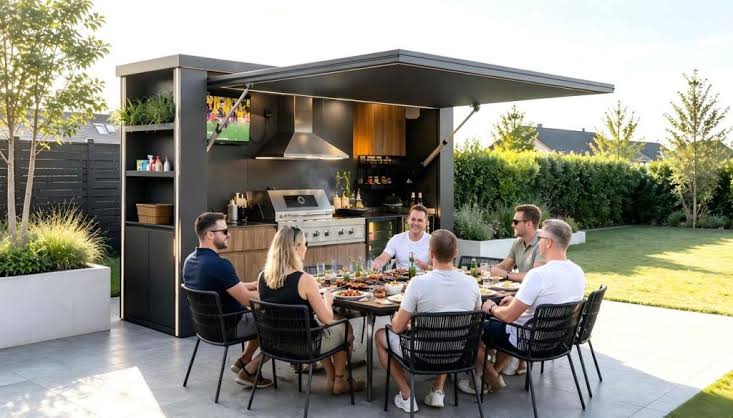
A well-designed backyard cooking area can transform an ordinary outdoor space into a comfortable and inviting place for preparing meals, enjoying family time, and entertaining guests. Instead of keeping every cooking activity indoors, homeowners can create a dedicated outdoor environment that combines practical appliances, spacious countertops, convenient storage, and comfortable seating. With the right design, an outdoor cooking area can become a natural extension of the home, providing a welcoming setting for weekend barbecues, family dinners, and special celebrations. Careful planning helps ensure that the space is attractive, easy to maintain, and suitable for everyday use.Creating a successful outdoor kitchen involves more than selecting a grill and installing a countertop. Homeowners must consider the layout, construction materials, appliance requirements, utility connections, ventilation, weather protection, and available budget. Professional outdoor kitchen installation can help bring these elements together while ensuring that important structural and safety requirements are addressed. Choosing features according to cooking habits and entertaining needs can also prevent unnecessary expenses and make the finished space more practical. With thoughtful preparation and suitable materials, a backyard cooking area can provide lasting value while improving the overall outdoor living experience.
Planning a Layout That Supports Everyday Cooking
The layout is one of the most important factors in designing an efficient outdoor cooking area. Homeowners should begin by identifying the activities they want to accommodate, such as grilling, food preparation, washing dishes, serving meals, and entertaining guests. A compact cooking station may need only a grill and a small countertop, while a larger setup might include several appliances, storage cabinets, and a separate dining area. Organizing these activities into convenient zones helps reduce unnecessary movement and makes cooking more enjoyable.The available space should be measured carefully before any equipment is purchased or construction begins. Homeowners need enough room to open appliance doors, access storage, prepare ingredients, and move safely around hot cooking surfaces. The position of nearby doors, windows, pathways, and seating areas should also influence the design. During outdoor kitchen installation, accurate measurements help ensure that the cabinets, appliances, and countertops fit the planned layout without creating crowded or awkward spaces. A well-organized design improves functionality and makes the outdoor kitchen easier to use during both small family meals and larger gatherings.
Choosing Durable Materials for Outdoor Conditions
Outdoor cooking areas are exposed to sunlight, moisture, temperature changes, grease, food spills, and airborne debris. For this reason, the materials used for countertops, cabinets, flooring, and structural components should be suitable for exterior applications. Natural stone can create an elegant appearance, while properly rated outdoor countertop products may offer additional design flexibility. Stainless steel is frequently used for appliances and certain cabinet components because it provides a clean, modern look and can offer good durability when the appropriate grade is selected. Homeowners should compare product specifications and maintenance requirements before making a final decision.The supporting structure also deserves careful consideration because it must accommodate the weight of the countertops, cabinets, and cooking equipment. Masonry, concrete-based construction, and purpose-built metal framing systems may be suitable depending on the selected design. Flooring should provide adequate traction and allow water to drain properly, especially around sinks and cooking areas. Materials should be chosen according to their resistance to weather exposure, ease of cleaning, and compatibility with the other components. Investing in suitable materials can reduce maintenance requirements and help preserve the appearance of the outdoor kitchen over time.
Selecting Appliances That Match Your Cooking Style
Choosing the right appliances helps ensure that the outdoor kitchen meets practical needs without becoming unnecessarily expensive or complicated. A built-in grill is often the main feature because it supports a wide range of outdoor meals. Some homeowners may also benefit from a side burner, pizza oven, smoker, outdoor refrigerator, or dedicated warming equipment. However, adding appliances that are rarely used can consume valuable countertop space and increase installation costs. The most effective design prioritizes equipment that supports regular cooking habits and leaves enough room for preparation and serving.Outdoor-rated appliances should be selected according to the manufacturer’s specifications and the conditions in which they will operate. Built-in grills may require specific enclosure dimensions, ventilation arrangements, and clearances from combustible materials. Refrigeration equipment should be designed for the expected outdoor temperature range, while electrical appliances must be connected according to applicable requirements. Homeowners should also consider how easily the equipment can be cleaned and serviced. Planning appliance locations before the cabinets and countertops are constructed helps create a coordinated setup that is practical, safe, and visually appealing.
Creating Convenient Countertop and Preparation Areas
Countertops provide essential working space for preparing ingredients, arranging utensils, serving meals, and organizing cooking accessories. An outdoor kitchen with insufficient counter space can quickly become frustrating, particularly when several people are helping prepare food. Homeowners should determine how much uninterrupted work surface is needed near the grill and other appliances. A larger kitchen may benefit from separate preparation and serving counters, while a compact layout can make effective use of a carefully positioned countertop that supports multiple tasks.The material selected for the countertop should be appropriate for outdoor exposure and routine cleaning. Homeowners should consider heat resistance, staining, surface texture, and maintenance requirements when comparing options. Countertop edges and joints should be finished carefully to create a polished appearance and reduce areas where dirt or moisture can accumulate. During outdoor kitchen installation, accurate measurements help ensure that the countertop openings align correctly with sinks, grills, and other built-in equipment. Well-planned preparation surfaces improve the cooking experience while making it easier to keep the entire area organized.
Incorporating Practical Storage Solutions
Storage is essential for maintaining an organized outdoor cooking area. Cabinets and drawers can hold cooking utensils, serving dishes, grilling accessories, cleaning supplies, and other frequently used items. Keeping these essentials near the appropriate work areas reduces unnecessary trips indoors and makes meal preparation more efficient. Homeowners should determine which items will remain outside and which should be stored indoors when the kitchen is not in use. This decision helps establish the amount of storage required and the type of cabinets that will be most useful.Outdoor storage components should be designed to withstand moisture, temperature changes, and exposure to dust. Weather-resistant cabinet materials, suitable hardware, and properly fitted doors can help protect stored items from environmental conditions. Ventilation may be necessary for certain cabinets that contain gas equipment or other specialized appliances, so the manufacturer’s requirements must always be followed. Storage should also be arranged to avoid obstructing utility access or appliance maintenance. By including appropriate storage in the original design, homeowners can create a cleaner, more efficient cooking area that remains attractive throughout the year.
Planning Safe Utility Connections
Utility connections are among the most important technical considerations in an outdoor kitchen project. Depending on the design, the kitchen may require gas piping, electrical circuits, water supply lines, and drainage connections. Each service must be planned according to the selected appliances, site conditions, and applicable building requirements. Gas appliances need correctly sized and securely installed supply lines, while outdoor electrical equipment requires suitable wiring, protective devices, and weather-rated components. Sinks and cleaning stations also require appropriate plumbing arrangements to prevent leaks and manage wastewater properly.Qualified professionals should handle gas, electrical, and plumbing work whenever required, particularly when the project involves new connections or modifications to existing systems. The location of each connection should be coordinated with the cabinet layout and appliance specifications before construction begins. This approach helps avoid inaccessible valves, poorly positioned outlets, and unnecessary changes after the kitchen structure is complete. During outdoor kitchen installation, careful coordination between contractors can improve efficiency and reduce the likelihood of expensive mistakes. Proper utility planning also supports reliable operation and helps protect everyone using the cooking area.
Adding Shade and Weather Protection
Shade can make an outdoor cooking area more comfortable by reducing direct sunlight over preparation surfaces and seating areas. Pergolas, patio covers, retractable awnings, and other overhead structures may provide useful protection depending on the design and intended use. However, cooking appliances must have the clearances and overhead conditions specified by their manufacturers. A grill that produces heat and smoke cannot simply be placed beneath any roof or covering without considering ventilation, fire safety, and the surrounding materials. Selecting a suitable shade structure requires balancing comfort with the safe operation of cooking equipment.Weather protection should also account for rain, wind, and changing temperatures. Countertops and cabinets should be made from materials intended for outdoor conditions, while appliances may benefit from suitable protective covers when they are cool and not in use. Electrical outlets and connections must be protected according to their intended exposure. Homeowners should consider whether the kitchen will be used throughout the year or primarily during particular seasons. Understanding these requirements can help determine which materials, coverings, and protective accessories are appropriate for the finished design.
Designing Comfortable Seating and Dining Areas
A backyard cooking area becomes more inviting when it includes comfortable places for people to sit, eat, and socialize. A dining table positioned near the cooking station makes serving meals convenient, while a separate lounge area provides a place for guests to relax. The arrangement should leave enough space for movement between the kitchen, dining furniture, and nearby entrances. Furniture that is designed for outdoor use can withstand regular exposure more effectively, while removable cushions and washable fabrics may simplify cleaning and seasonal storage.The relationship between the cooking area and seating arrangement should be considered carefully. Guests should be able to interact with the person preparing food without standing too close to hot surfaces or interfering with food preparation. Bar seating along a suitable counter can create an informal gathering point, while a separate dining table may be more practical for family meals. Lighting, decorative planters, and coordinated finishes can help connect these areas visually. A thoughtful arrangement creates a comfortable environment where cooking and social activities can take place together without making the space feel overcrowded.
Improving Lighting and Outdoor Ambience
Lighting can improve both the functionality and atmosphere of an outdoor kitchen. Task lighting near grills, countertops, sinks, and preparation areas helps users see what they are doing after sunset. Ambient lighting around seating and dining areas creates a more relaxed environment for conversations and evening meals. Carefully selected fixtures can also highlight architectural features, planting areas, and decorative finishes without overwhelming the space. A combination of practical and decorative lighting generally offers greater flexibility than relying on a single overhead fixture.All electrical components should be suitable for outdoor conditions and installed according to applicable safety requirements. Fixtures should be positioned to avoid excessive glare, and wiring should be protected from moisture and physical damage. Homeowners may also consider controls that allow different lighting zones to operate independently. This arrangement makes it possible to provide brighter illumination during food preparation and softer lighting when the kitchen is being used for relaxation. Planning lighting during the original design helps ensure that the necessary wiring and fixture locations are incorporated neatly into the finished structure.
Understanding Budget and Project Costs
The cost of an outdoor kitchen depends on the size of the project, the materials selected, the appliances included, the complexity of the layout, and the work required to prepare the site. A simple grilling station may require a relatively modest investment, while a larger kitchen with premium countertops, refrigeration, multiple cooking appliances, and custom cabinetry can cost significantly more. Utility connections, foundation work, lighting, drainage improvements, and overhead protection may also affect the final budget. Homeowners should account for these expenses before making major purchasing decisions.A detailed estimate helps clarify what is included in the proposed work. The estimate should identify the structural components, countertops, cabinets, appliances, utility connections, finishing materials, and cleanup responsibilities. It is also useful to confirm whether permits, inspections, and professional design services are included when required. Setting aside a contingency allowance can help cover unexpected site conditions or additional work. Comparing proposals based on material quality, workmanship, and the full scope of services can provide a more reliable assessment of value than choosing a contractor solely because of the lowest quoted price.
Avoiding Common Design and Construction Mistakes
One common mistake is purchasing appliances before confirming the dimensions and requirements of the planned kitchen. Built-in equipment often needs specific enclosure sizes, ventilation arrangements, and clearances, so selecting products too early can lead to expensive modifications. Another mistake is allocating too much space to cooking equipment while leaving insufficient room for food preparation and serving. A practical layout should prioritize the activities that will occur most frequently and provide enough space for people to move safely between different work areas.Poor drainage, unsuitable materials, and inadequate utility planning can also create problems. Water should not collect around the kitchen foundation or enter cabinets through poorly designed connections. Materials should be appropriate for outdoor exposure, and utility systems should be installed according to relevant codes and manufacturer instructions. During outdoor kitchen installation, careful coordination between the structural work, appliance placement, and utility connections helps prevent avoidable complications. Reviewing the entire design before construction begins can save time, control expenses, and improve the reliability of the finished kitchen.
Maintaining the Outdoor Kitchen for Long-Term Performance
Regular maintenance helps preserve the appearance, cleanliness, and performance of an outdoor cooking area. Countertops should be cleaned with products suitable for their specific materials, while grills and other cooking appliances should be maintained according to manufacturer instructions. Grease and food residue should be removed regularly to support hygienic cooking conditions and reduce the risk of flare-ups. Stainless steel components may require specialized cleaning methods to prevent staining, while certain stone surfaces may need periodic sealing depending on their characteristics and the manufacturer’s recommendations.Homeowners should also inspect cabinet doors, hinges, plumbing connections, and visible utility components periodically. Protective covers can help reduce exposure to dirt and weather when appliances are not in use, provided the equipment has cooled and the covers are appropriate for the product. Drainage areas should remain clear, and any signs of leaks, damaged wiring, loose connections, or structural movement should be addressed promptly by qualified professionals. Consistent care can prevent minor problems from becoming more expensive repairs and help keep the outdoor kitchen ready for regular use.
Why Professional Installation Can Be Beneficial
Professional assistance can be especially useful when an outdoor kitchen involves custom cabinetry, masonry construction, built-in appliances, gas connections, electrical work, or plumbing. Experienced contractors can assess the site, coordinate different trades, and develop a layout that accommodates the selected equipment and surrounding features. They can also identify structural requirements, clearance restrictions, drainage concerns, and potential utility conflicts before construction begins. Careful planning helps create a more organized construction process and reduces the risk of costly changes after the work is underway.Before hiring a contractor, homeowners should review examples of previous projects and request a detailed written proposal. The agreement should describe the materials, appliance specifications, cabinet dimensions, countertop finishes, utility work, and expected construction schedule. It is also helpful to ask about warranties, maintenance recommendations, permit responsibilities, and the process for handling unexpected site conditions. Comparing contractors based on relevant experience, workmanship, communication, and the completeness of their estimates can help homeowners make a confident decision. Clear expectations and proper coordination contribute to a more successful project.
Conclusion
Designing a functional and attractive backyard cooking area requires a balance of practical planning, durable materials, convenient appliances, and thoughtful styling. Homeowners should consider the available space, preferred cooking methods, storage needs, utility connections, drainage, lighting, and weather protection before beginning construction. A carefully organized layout can improve meal preparation while creating a welcoming setting for dining and entertainment. Selecting appropriate materials and planning for long-term maintenance also helps protect the investment and preserve the appearance of the finished space.Investing in quality outdoor kitchen installation can help transform an ordinary backyard into a practical extension of the home. Proper site preparation, safe utility connections, suitable appliances, and professional workmanship all contribute to a reliable result. Regular cleaning and periodic inspections help maintain the kitchen and identify potential problems before they become serious. With careful planning and attention to detail, homeowners can create an outdoor cooking environment that combines convenience, comfort, and visual appeal, providing an enjoyable setting for everyday meals and memorable gatherings for years to come.

