

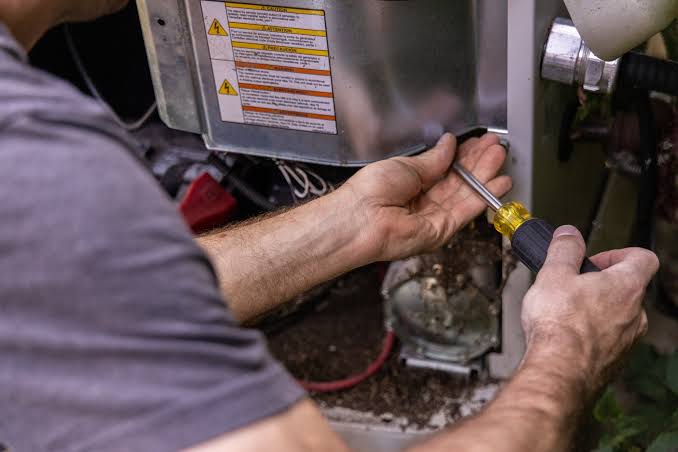
Thunderstorms can be both awe-inspiring and disruptive, especially when they leave your air conditioning system unresponsive just when you need it most. Power surges, lightning strikes, and heavy rain can all impact your AC’s ability to function properly. Before you rush to call for professional help, there are several important steps you can take to troubleshoot the issue yourself. Understanding what to look for can save you time, money, and unnecessary stress. This guide will walk you through the most common causes and solutions for an AC that stops working after a thunderstorm, helping you determine when it’s time to seek professional assistance.
What to Expect After a Storm
Checking Your Thermostat and Power Supply
After a thunderstorm, the first thing to examine is your thermostat and the power supply to your air conditioning system. Power outages and surges are common during storms, and these can cause your thermostat to reset or malfunction. Make sure your thermostat display is on and set to the correct mode and temperature. If the display is blank, check if the batteries need replacing or if the circuit breaker has tripped. Sometimes, a simple reset of the thermostat can restore normal operation. If your thermostat is functioning but the AC still does not turn on, move on to checking the main electrical panel. Locate the breaker that controls your AC unit and see if it has tripped. If it has, switch it off and then back on to reset it. This can often resolve issues caused by a temporary power surge. However, if the breaker trips again immediately, there may be a more serious electrical problem that requires professional attention.
Inspecting the Outdoor Unit and Disconnect Box
Once you have confirmed that your thermostat and power supply are working, the next step is to inspect the outdoor unit and the disconnect box. Thunderstorms can cause debris to accumulate around the outdoor condenser, blocking airflow and causing the system to shut down as a safety precaution. Clear away any leaves, branches, or other obstructions from around the unit. Check the disconnect box, which is usually mounted on the wall near the outdoor unit. This box contains a safety switch that can be tripped by a power surge or lightning strike. Open the box and ensure the switch is in the “on” position. If you notice any signs of burning, melting, or a strong electrical smell, do not attempt to reset the switch yourself. In such cases, it is safer to get in touch with a qualified HVAC technician to assess the damage and make necessary repairs. Taking these steps can help you identify whether the problem is something simple you can fix or if it requires professional intervention.
Assessing the Circuit Breaker and Fuses
If your AC is still not working after checking the thermostat, power supply, and outdoor unit, it’s important to assess the circuit breaker and any fuses associated with your HVAC system. Thunderstorms often cause power fluctuations that can trip breakers or blow fuses, cutting off power to your air conditioner. Locate your home’s electrical panel and identify the breaker labeled for the AC. If it is in the “off” position or appears to be stuck between “on” and “off,” reset it by switching it fully off and then back on. Some systems also have fuses located in the disconnect box outside; these can be visually inspected for signs of damage or burning. If a fuse appears blown, it will need to be replaced with one of the same rating. However, if the new fuse blows immediately or the breaker continues to trip, this indicates a deeper electrical issue that should be addressed by a professional. Avoid repeated resetting, as this can cause further damage to your system or pose a safety risk.
When to Wait Before Restarting Your AC
After a thunderstorm, it’s wise to wait at least 30 minutes before attempting to restart your air conditioner. This allows time for any residual moisture to evaporate and for the system’s internal safety mechanisms to reset. Rushing to turn the system back on can sometimes cause additional problems, especially if there is lingering moisture or if the power supply is unstable. Patience during this period can help prevent further complications and give your AC the best chance to resume normal operation.
Checking for Visible Damage and Unusual Noises
If your AC still fails to operate after you have checked the basic components, take a closer look for any visible signs of damage. Thunderstorms can cause physical harm to both the indoor and outdoor units, such as dents, broken panels, or exposed wiring. Listen for any unusual noises when you attempt to start the system, such as buzzing, clicking, or grinding sounds. These can indicate internal damage or electrical issues that are not immediately visible. If you notice any of these warning signs, it is important to turn off the system and avoid further use until it has been inspected by a professional. Continuing to operate a damaged AC can lead to more extensive repairs and higher costs down the line. Document any visible damage or unusual sounds to provide helpful information to your HVAC technician when you schedule a service call.
Conclusion
Dealing with an air conditioner that stops working after a thunderstorm can be frustrating, but taking a systematic approach to troubleshooting can help you identify the cause and determine the right course of action. By checking your thermostat, power supply, outdoor unit, circuit breakers, and looking for visible damage, you can often resolve minor issues on your own. However, if you encounter persistent problems, signs of electrical damage, or unusual noises, it’s important to prioritize safety and seek professional help. Addressing these issues promptly can help restore comfort to your home and prevent further damage to your AC system. Remember, a careful inspection after a storm can save you time and money while ensuring your air conditioning system remains reliable throughout the season.

