

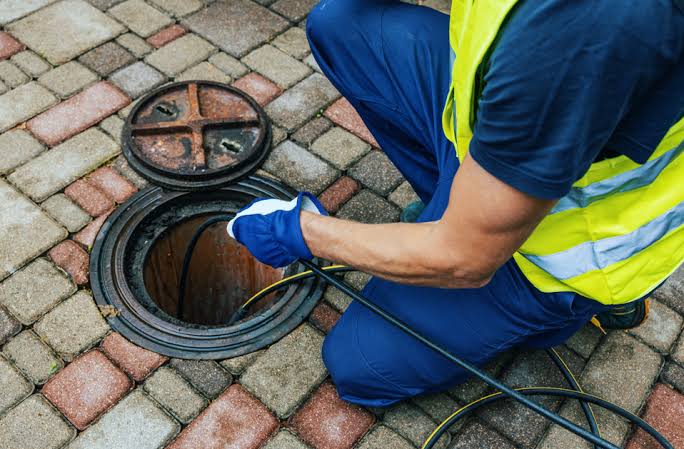
A slow drain rarely fixes itself. In many Audubon homes, what starts as a lazy bathroom sink or a kitchen basin that takes a minute too long to empty can escalate into gurgling toilets, standing shower water, or a damp floor drain. Recognizing what each symptom points to can help you decide when a plunger is enough, when a hand auger makes sense, and when it is time to stop using water and get a pro involved. This guide walks through the clues your plumbing gives off and what they usually mean for your P-traps, branch lines, and main sewer line.
-
One Fixture or Many? Use Symptoms to Locate the Blockage
Start by noting how many fixtures are affected and where they are in the house. A single slow lavatory often points to hair or soap scum in that sink’s P-trap or trap arm. If several fixtures on the same level are sluggish, the issue may be in a shared branch line. When the lowest fixtures in the house act up first, such as a basement floor drain burping during a toilet flush, a partial blockage in the main sewer line is likely. Homeowners often search for drain cleaning in Audubon when a single slow sink turns into gurgling across the house; knowing whether the problem is local or in the main stack saves time and mess.
Picture a Saturday laundry load sending gray water into a nearby tub. That cross-connection suggests the washer standpipe and the tub share a branch that is already restricted. By contrast, a kitchen sink that backs up when the dishwasher drains points to a grease-coated horizontal run between the sink’s tee and the main. In both scenarios, limit water use until you confirm the blockage’s location.
-
Noises, Odors, and Rim Bubbles: What They Signal
Toilets that glug or bubble after a nearby fixture drains are displacing air against resistance, which happens with a partially obstructed main or a blocked vent stack. If you hear gurgling when a sink empties and see bubbles rise in an adjacent fixture, air cannot escape easily through the roof vent. That same pressure imbalance can pull water out of P-traps, letting sewer gas odors leak through dried traps at a floor drain or tub overflow. On the other hand, a sewer smell at a single toilet could be a failing wax ring, not a line clog.
Odors that intensify after heavy water use often mean the restriction is downstream of multiple fixtures. If the smell is strongest near a floor drain and you see dampness at the cleanout cap, treat it as a main line warning. Avoid running appliances that discharge large volumes, like dishwashers or washers, until you evaluate the line.
-
Common Culprits: Grease, “Flushable” Wipes, Roots, and Aging Pipe
Kitchen lines narrow quickly when cooled fats congeal on pipe walls. Dish soap does not dissolve hardened grease; it can push it farther, creating a trap downstream. Bathroom sinks collect hair and toothpaste grit that mat together at the pop-up assembly. In toilets, so-called flushable wipes and thick paper products snag on rough spots in older cast iron or clay laterals, forming stubborn mats that typical plunging cannot dislodge.
Yard trees send feeder roots toward the moisture around joints in older clay or concrete sewer laterals. Roots infiltrate through tiny separations, trapping paper and creating repeat clogs. A typical scenario: after a rain, you notice slow drains and occasional basement floor seepage because groundwater entering cracks brings in fine silt that settles in a “belly” (a sag) in the line. In homes with decades-old piping, internal scale can also narrow diameters, making even small accumulations of soap or lint more consequential.
-
DIY Safely: Plungers, Hand Augers, and What to Skip
A cup plunger can clear a sink or tub if you block the overflow opening with a wet cloth to maintain pressure. For toilets, use a bell-shaped flange plunger or a closet auger to snag wipes or compacted paper just beyond the trapway. A handheld drum auger works well for hair clogs in sink traps when fed carefully through the trap arm after removing the P-trap with a bucket underneath. If you have an accessible cleanout and suspect a main restriction, a professional-grade cable machine or hydro jetting is more appropriate than consumer tools.
Skip caustic drain openers in most cases. They can generate heat in confined spaces, warp PVC fittings, damage rubber gaskets, and corrode thin metal traps. Mixing chemical cleaners with bleach-based products can release hazardous gas. A drain bladder attached to a hose can seem tempting, but its high pressure can force water into weak joints or up nearby vents. The trade-off: a cable may punch through soft buildup and restore temporary flow, while hydro jetting scours grease and sludge off the pipe wall more thoroughly. For fragile or heavily scaled pipes, a camera inspection before aggressive methods helps protect the line.
After Clearing: Camera Checks, Cleanout Access, and Prevention
If a clog returns within weeks, there is probably an underlying condition such as roots, a bellied section, or a misaligned joint. A video camera inspection through the cleanout can confirm the cause and its location in feet, not guesses. If your home lacks an accessible cleanout, installing one on the main near where it exits the foundation makes future maintenance far cleaner and faster. Technicians can also note pipe material, diameter, and slope during an inspection, which informs whether descaling, spot repair, or periodic jetting makes sense.
Simple habits reduce the odds of a repeat visit. Use mesh strainers in kitchen and bath sinks, collect cooled cooking fats in a container instead of pouring them down the disposal, and limit toilet use to human waste and standard toilet paper. Rinse kitchen lines with hot water after dishwashing to help move residual fats. In bathrooms, periodically remove and clean pop-up assemblies where hair accumulates. Enzymatic cleaners can aid ongoing maintenance by digesting organic film in traps and horizontal runs, but they do not replace mechanical clearing when water already stands in a fixture.
Pay attention to patterns. A single slow sink points to local buildup you can often address with a plunger or hand auger. Gurgling across levels, wastewater at a floor drain, or symptoms that worsen during high-use periods signal a restriction farther downstream. Resist the quick chemical fix; short-term flow can hide long-term damage. If your home sees recurring blockages, a camera inspection and easier cleanout access are smart next steps. Small decisions now, like catching hair and keeping grease out of the disposal, help keep Audubon drains moving and reduce the chance of an untimely sewer backup.

