

Electrical systems are an essential part of modern homes and businesses, powering everything from lighting and appliances to heating, cooling, security systems, and communication equipment. Because people rely on electricity throughout the day, an unexpected electrical problem can quickly become disruptive and, in some situations, dangerous. Flickering lights, burning odors, sparking outlets, power failures, exposed wiring, and repeated circuit breaker trips can indicate problems that should not be ignored. When an electrical issue presents an immediate safety concern or significantly interrupts essential electrical service, contacting an emergency electrician can help ensure that the problem is evaluated and addressed by a qualified professional.
Electrical emergencies can vary considerably in severity. Some situations involve a complete loss of power, while others involve localized problems such as a smoking outlet or a circuit that repeatedly trips. The appropriate response depends on the circumstances, but attempting complex electrical repairs without the necessary training can increase the risk of shock, fire, equipment damage, or further system failure. Understanding common emergencies, recognizing warning signs, and knowing what to do while waiting for professional assistance can help property owners respond more safely.
What Qualifies as an Electrical Emergency?
Not every electrical inconvenience requires emergency service. A broken light fixture or a nonessential outlet that stops working may often be addressed during a scheduled appointment. However, certain conditions should receive immediate attention because they can indicate a serious electrical fault.
Burning smells, smoke, visible sparks, melted outlets, buzzing electrical panels, exposed energized wires, and electrical components that become unusually hot can all be warning signs. A sudden loss of power affecting only one part of a property may also indicate a circuit problem, particularly if the breaker repeatedly trips when the circuit is reset.
Water and electricity create another potentially serious combination. If water has entered an electrical panel, outlet, appliance, or other electrical component, the area should not be handled casually. Electrical equipment exposed to water can remain hazardous even after the visible water has disappeared.
Common Reasons for Emergency Electrical Service
Power outages are among the most obvious reasons people seek urgent electrical assistance. However, not every outage is caused by a problem inside the property. Utility failures, damaged external infrastructure, and neighborhood-wide outages should generally be reported to the relevant utility provider.
When neighboring properties have power but one building does not, the issue may be located within the property’s electrical system. A tripped main breaker, damaged service equipment, failed connection, or another electrical fault may be responsible.
Electrical fires or signs of overheating require immediate attention. Smoke, scorching, melting plastic, or a strong burning odor near outlets, switches, appliances, or the electrical panel can indicate overheating or an electrical fault. In such situations, safety should take priority over diagnosing the problem independently.
Repeated Circuit Breaker Trips
Circuit breakers are designed to interrupt electrical flow when a circuit experiences conditions such as excessive current. A breaker that trips occasionally may be responding to a temporary overload, but repeated trips can indicate a more persistent problem.
The circuit could be overloaded by too many devices, or there could be a fault involving wiring, an appliance, or another electrical component. Repeatedly resetting a breaker without identifying why it is tripping is not a reliable solution.
If a breaker trips again shortly after being reset, the affected circuit should be left off until the cause can be evaluated. A qualified professional can inspect the circuit and determine whether the problem involves wiring, connected equipment, or the electrical distribution system.
Flickering and Dimming Lights
Flickering lights are sometimes caused by a loose bulb or a fixture issue, but persistent flickering throughout a property may point to a more significant electrical problem. Changes in voltage, loose connections, overloaded circuits, or problems with service equipment can all contribute to unusual lighting behavior.
Dimming lights when large appliances start can sometimes occur because of normal electrical demand, but significant or widespread fluctuations deserve attention. If lights suddenly become unusually bright or dim, appliances behave unpredictably, or multiple circuits show unusual changes, professional evaluation may be appropriate.
Ignoring persistent electrical fluctuations can potentially expose sensitive electronics to unstable power and may indicate a connection that needs attention.
Sparking Outlets and Switches
A brief spark from an electrical device under certain normal conditions may not always indicate a serious fault, but repeated, large, or unusual sparks should not be ignored. Sparks accompanied by burning smells, discoloration, heat, buzzing, or smoke are particularly concerning.
Damaged outlets and switches can result from worn internal components, loose wiring, moisture, physical damage, or excessive electrical load. Continuing to use a visibly damaged outlet can increase the risk of further deterioration.
Property owners should avoid opening outlets or attempting to tighten internal electrical connections unless they are qualified to perform the work safely. Electrical components can remain energized even when a particular device appears inactive.
Burning Odors and Overheating
A burning smell near an electrical panel, outlet, appliance, or wall can indicate overheating insulation or another electrical problem. The smell should not be dismissed simply because there is no visible smoke.
Heat can develop when electrical connections are loose, circuits are overloaded, components are damaged, or equipment is malfunctioning. Continued heating can deteriorate insulation and surrounding materials, potentially creating a fire hazard.
If smoke or fire is present, occupants should prioritize evacuation and contact emergency services rather than attempting to locate or repair the electrical fault themselves. Once the immediate danger has been addressed, a qualified electrician can inspect the electrical system before it is returned to normal operation.
Electrical Problems Involving Water
Water intrusion can create serious electrical hazards. Flooding, burst pipes, roof leaks, appliance leaks, or outdoor water exposure can bring moisture into contact with electrical equipment.
If an electrical panel or other energized equipment has been exposed to water, it should not be touched. Turning off power may itself be hazardous if the person must approach wet electrical equipment to reach the disconnect.
A qualified professional should assess water-damaged electrical components. Some equipment may require replacement rather than simply drying because internal corrosion or contamination can compromise its safety.
Exposed or Damaged Wiring
Exposed wiring can occur because of construction damage, aging insulation, animal activity, accidental impact, or improper previous work. Damaged insulation can expose conductors and create a risk of electrical shock or short circuits.
Loose wires should not be handled casually. Even wires that appear inactive may become energized depending on the electrical configuration. Children and pets should also be kept away from areas where exposed wiring is present.
Professional inspection can determine whether the wiring can be safely repaired or whether sections need to be replaced. The underlying cause should also be addressed so that the problem does not recur.
Electrical Panel Warning Signs
The electrical panel is one of the most important components of a property’s electrical system. Unusual noises, burning odors, excessive heat, corrosion, visible damage, or repeated breaker trips can indicate a problem that needs professional evaluation.
A buzzing or crackling sound from a panel should not be ignored. These noises may indicate loose connections, arcing, or other electrical faults.
Homeowners should also avoid placing combustible materials around electrical panels. Clear access is important for safe operation and professional inspection.
What to Do Before Help Arrives
When an electrical emergency occurs, the safest response is usually to avoid interacting with the suspected fault. Do not touch exposed wires, damaged outlets, wet electrical equipment, or smoking components.
If there is an electrical fire, occupants should leave the property and contact emergency services. Water should not be used on an energized electrical fire because it can create an additional shock hazard.
If there is no immediate danger and the electrical system has an accessible main disconnect that can be safely operated without approaching a hazardous area, a professional may advise shutting off power. However, people should not enter flooded areas or approach damaged equipment simply to reach a disconnect.
Providing the electrician with clear information about what happened can also help. Details such as when the problem started, which circuits are affected, whether breakers have tripped, and whether there are unusual smells or sounds can assist with the initial assessment.
Why Professional Diagnosis Matters
Electrical problems can be deceptive because the visible symptom may not be located where the actual fault exists. For example, a malfunctioning outlet could be affected by wiring elsewhere on the circuit. Similarly, repeated breaker trips could result from an appliance rather than the breaker itself.
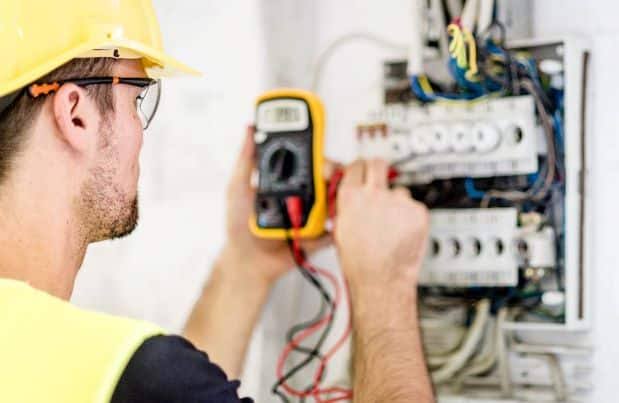
A qualified electrician can use appropriate testing equipment to identify voltage problems, faulty connections, circuit issues, and damaged components. Professional diagnosis reduces the risk of replacing the wrong component or overlooking a dangerous condition.
Electrical work also needs to comply with applicable codes and safety requirements. Qualified professionals are familiar with the standards relevant to the work they perform and can identify issues that may not be obvious to an untrained property owner.
Preventing Future Electrical Emergencies
Preventative maintenance can reduce the likelihood of some electrical emergencies. Property owners should avoid overloading outlets and extension cords, replace damaged electrical accessories promptly, and pay attention to unusual smells, sounds, heat, or flickering.
Large appliances should be connected according to their electrical requirements. Extension cords should not be used as permanent substitutes for appropriate wiring, especially for high-demand equipment.
Electrical panels should remain accessible, and homeowners should know where the main electrical disconnect is located. Having this information can be useful during an emergency, provided the disconnect can be accessed safely.
Periodic professional inspections can also help identify aging wiring, overloaded circuits, deteriorated components, or other concerns before they become urgent problems.
Choosing an Electrical Professional
When selecting an emergency electrician, property owners should consider qualifications, licensing requirements, insurance coverage, availability, experience, and the type of electrical work offered. Emergency service providers should be able to explain their response process and provide clear information about potential service charges.
It is useful to ask whether the company handles the specific type of emergency involved. Some electricians specialize in residential systems, while others have experience with commercial properties, industrial equipment, generators, or specialized electrical installations.
Before authorizing extensive work, homeowners should request an explanation of the problem and the proposed solution. When circumstances permit, obtaining a written estimate can help clarify labor, materials, emergency fees, and any additional work that may be necessary.
Understanding Emergency Service Costs
Emergency electrical service may cost more than routine appointments because technicians may need to respond outside normal business hours, travel quickly, diagnose unexpected problems, or perform urgent repairs.
The total cost can depend on the complexity of the fault, replacement parts, accessibility, labor requirements, and whether additional electrical problems are discovered during inspection. A simple component replacement may be considerably less expensive than repairing damaged wiring or electrical service equipment.
Property owners should ask about emergency call-out fees and minimum charges before work begins when doing so is practical. However, in a genuine safety emergency, delaying professional assistance solely to compare prices may not be appropriate.
The long-term cost of ignoring an electrical problem can also be significant. An issue that begins as a loose connection or damaged outlet can potentially cause more extensive equipment damage or create a fire hazard if left unresolved.
Electrical Safety for Businesses
Businesses can face additional challenges when electrical problems occur because an outage or electrical fault may interrupt operations, affect equipment, or create safety concerns for employees and customers.
Commercial properties may have more complex electrical distribution systems and higher power demands than typical residential properties. Emergency electrical service may therefore involve troubleshooting panels, circuits, lighting systems, machinery, backup power equipment, or other components.
Business owners should maintain emergency procedures that identify how electrical hazards will be reported and who should be contacted. Employees should not be encouraged to perform electrical repairs outside their training and responsibilities.
The Value of Preventative Inspections
Preventative electrical inspections can provide an opportunity to identify potential problems before they become emergencies. During an inspection, an electrician may evaluate outlets, switches, panels, wiring, grounding, circuit capacity, and other components depending on the property’s needs.
Older properties may benefit particularly from professional evaluation because electrical systems can change significantly over the life of a building. Previous modifications, renovations, or additions may also have altered the electrical load.
Preventative work does not eliminate every possible electrical emergency, but it can help identify deteriorating components and unsafe conditions before they cause an unexpected failure.
Final Thoughts
Electrical emergencies require a careful response because seemingly minor problems can sometimes indicate more serious faults. Burning odors, smoke, sparking outlets, exposed wires, repeated breaker trips, unusual panel noises, water-damaged electrical equipment, and significant power problems are all situations that deserve appropriate attention.
An emergency electrician can diagnose electrical faults using specialized knowledge and equipment while helping restore the system safely. Property owners should avoid attempting complex repairs themselves, particularly when electricity is combined with fire, water, damaged wiring, or exposed components.
Preparation can also make emergencies easier to manage. Knowing where the main electrical disconnect is located, keeping electrical panels accessible, avoiding overloaded circuits, and responding promptly to warning signs can all contribute to a safer property.
For anyone seeking an emergency electrician, the most important considerations are qualifications, availability, transparent pricing, experience, and the ability to address the specific electrical problem involved. A professional assessment can help determine whether the issue requires a simple repair, replacement of damaged components, or a broader investigation of the electrical system.
Ultimately, electrical safety depends on recognizing problems early and treating serious warning signs with appropriate caution. Prompt professional attention can help prevent a developing electrical fault from becoming a larger safety issue while restoring essential electrical service as efficiently and safely as possible.

