

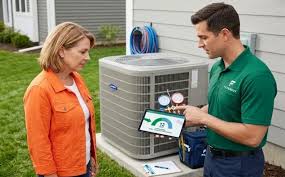
Seattle’s cooling season is short but intense when it arrives, and many homes rely on heat pumps or central air to stay comfortable during those sudden heat waves. If your system is running but the rooms are still muggy and warm, the issue usually traces back to airflow, the outdoor condenser’s ability to dump heat, or a control or safety device that has cut cooling. This guide explains common, fixable causes you can check safely, plus the red flags that call for a licensed technician. It uses Seattle-specific examples like cottonwood season, wildfire smoke, and damp basements to help you zero in on what matters here.
-
Early symptoms that point to airflow, refrigerant, or control issues
Pay attention to what the system is doing at the registers and at the equipment. Warm or only slightly cool air at the supply registers with the thermostat set to Cool often points to a frozen evaporator coil, a dirty filter at the return grille, or a condensate float switch that has shut off the compressor. Long runtimes with little temperature drop can indicate a matted outdoor condenser coil or sagging blower performance, while short cycling with a click from the outdoor contactor may suggest a weak electrical component like a capacitor.
If you see frost on the larger insulated refrigerant line near the air handler, hear gurgling in the indoor coil, or notice water around the furnace cabinet after a cycle, stop and let the system rest to thaw. Low refrigerant, restricted airflow, and drain clogs can all cause these clues, and refrigerant handling should be left to pros. If symptoms persist or repeat, contact the Seattle Air Conditioning Repair Experts for a proper diagnosis to protect your compressor and avoid repeated breakdowns.
-
Airflow killers: filters, vents, and frozen evaporator coils
A clogged filter or blocked return cuts the air volume across the evaporator coil, which can let the coil temperature plunge below freezing. In Seattle, a MERV 11 or MERV 13 filter captures wildfire smoke and pollen, but those finer filters load quickly during peak smoke or cottonwood bursts. Check that the filter is oriented with the airflow arrow toward the blower and seated flat, with no gaps. Walk the house and open closed supply registers, clear furniture from returns, and make sure bedroom doors with undercuts aren’t creating pressure bottlenecks.
If the coil has iced, switch the thermostat to Off and set the fan to On to move air and melt frost. Do not run the compressor against an iced coil. After a full thaw, replace a dirty filter, open any closed vents, and restart on Auto. If ice returns within an hour, deeper problems like a stuck expansion valve or low refrigerant charge may be at play. There is also a trade-off here: high MERV filters trap smoke but increase static pressure, so you may need more frequent changes during wildfire season to keep airflow within safe ranges.
-
Outdoor unit under strain: condenser coils, clearance, and Seattle debris
On the first warm stretch in late May or June, Seattle’s cottonwood fluff, pine needles, and pollen can plaster the outdoor condenser coil. That thin layer acts like a blanket, raising head pressure and forcing the compressor to run hot and long. Keep 18 to 24 inches of open space on all sides of the unit by trimming salal, ivy, and shrubs, and make sure mulch or leaves aren’t stacked against the base. If the fan runs and the top of the unit exhausts very hot air but indoor air stays tepid, a dirty condenser coil is a prime suspect.
Before any cleaning, shut off power at the disconnect next to the unit. Rinse from the inside out with a gentle hose stream to push lint and ash out of the fins. Use a coil cleaner rated for aluminum microchannel or fin-and-tube coils, following the dwell time on the label. Avoid pressure washers that bend fins or force water into electrical compartments, and do not saturate the control board or capacitor housing. If fins are already crushed, a technician can comb them and check fan amperage and capacitor microfarads to confirm the condenser can move enough air.
-
When cooling stops suddenly: condensate drains and safety switches
Many Seattle homes have air handlers in basements or laundry closets, where cool supply air condenses moisture from indoor air. That water travels through a PVC condensate drain to a floor drain or pump. Algae growth in the trap or a kinked vinyl tube can back water into the pan, and a float switch then shuts off the compressor to prevent an overflow. The blower may keep running, leaving you with room-temperature airflow and no cooling.
Look for a wet secondary pan under the air handler, a tripped float switch on the drain line, or a condensate pump that hums but doesn’t discharge. If your setup has an exterior drain termination, applying a wet/dry vacuum there can pull out slime and restore flow. A cup of distilled vinegar poured into the indoor condensate trap monthly discourages algae, but avoid bleach that can attack rubber hoses. After clearing the blockage, reset the float switch and confirm a steady drain trickle when the system runs on a humid day.
What requires a licensed technician: refrigerant, capacitors, and heat pump quirks
Some faults demand gauges, meters, and EPA-certified handling. Low refrigerant charge from a microleak in the evaporator coil, a rubbed-through line set, or a loose flare fitting will cause low suction pressure, coil icing, and compressor stress. A technician will measure superheat and subcooling, find the leak, and repair it before weighing in the correct charge. Failing run capacitors and pitted contactors are also common reasons outdoor fans stall or compressors buzz without starting, and those tests are safest with the power off, a multimeter, and the correct replacement parts on hand.
Heat pumps that cool in summer add a few quirks. In shoulder seasons, a defrost board problem can confuse modes, and duct leakage can raise static pressure enough to reduce coil temperature and promote icing, even with a clean filter. If you have repeated short cycling, wide temperature swings, or the thermostat needs frequent resets, it is time to have a professional test airflow (cubic feet per minute), external static pressure, and control circuits. Resist the temptation to “top off” refrigerant without leak repair, or to oversize equipment in hopes of faster cooling, which can leave Seattle homes clammy because short cycles do little dehumidification.
Small, steady habits prevent many midsummer breakdowns. Mark a filter change on your calendar just before cottonwood season, keep shrubs off the condenser for free airflow, and set the thermostat fan to Auto so the compressor and blower start and stop together. Gently rinse the outdoor coil after heavy pollen days, and flush the condensate trap monthly during cooling season. If warm air, icing, or repeated shutoffs return after you address filter, vents, and drainage, schedule a visit with a local, licensed HVAC pro who knows heat pumps, smoke season, and the way Pacific Northwest homes breathe. Doing so protects your compressor and restores comfort when Seattle heats up.

