

Healing after dental surgery is not simply about waiting for discomfort to disappear. What you eat during recovery can influence how comfortably you heal, how easily you maintain hydration and nutrition, and how much irritation your mouth experiences along the way. After a wisdom tooth extraction, the mouth needs time to settle, and choosing the right foods can make those first few days considerably easier.
The challenge is that many nutritious foods—crunchy vegetables, nuts, seeds, whole grains and firm fruits—are difficult to eat immediately after an extraction. Fortunately, good nutrition does not have to mean complicated meals. With a little creativity, your recovery menu can be soft, nourishing and surprisingly enjoyable.
The First Priority: Soft, Gentle Nutrition
Immediately following an extraction, your mouth benefits from foods that require little or no chewing. Smooth textures reduce the need for vigorous jaw movement and can make eating more comfortable while the extraction site begins to heal.
One of the most important principles after a wisdom tooth extraction is patience. You do not need to rush back to your usual diet simply because the initial soreness has started to fade.
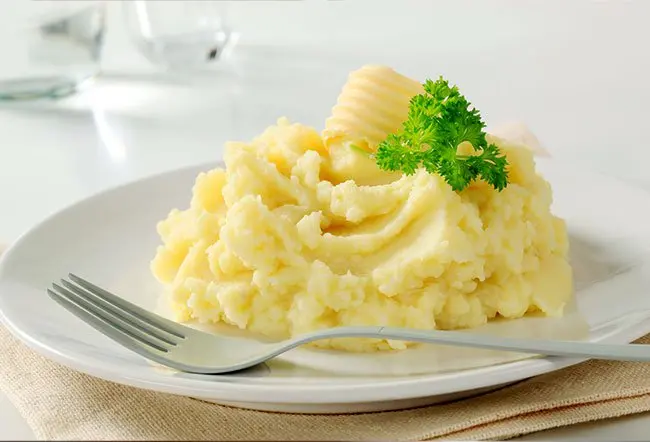
Soft foods such as yoghurt, applesauce, mashed vegetables, scrambled eggs and smooth soups can provide valuable nutrients without demanding much from your jaw. Protein deserves particular attention because it contributes to tissue maintenance and repair. Eggs, yoghurt, cottage cheese, tofu and other soft protein sources can therefore become useful additions to a recovery diet.
Temperature also matters. Very hot foods and drinks may feel uncomfortable around a fresh extraction site. Lukewarm or cool foods are generally easier to tolerate, particularly during the earliest stage of recovery.
Protein: The Quiet Building Block of Recovery
When the body is repairing tissue, adequate protein becomes an important part of a balanced diet. After dental surgery, however, chewing a traditional protein-rich meal may not be appealing.
This is where softer alternatives become useful. Scrambled eggs can provide protein in an easy-to-eat form, while Greek yoghurt offers both protein and calcium. Silken tofu can be blended into soups or soft dishes, and smooth nut butters can provide energy and nutrients when incorporated into suitable foods.
A homemade smoothie can also be convenient, provided it is consumed without a straw. The suction created by drinking through a straw may disturb the blood clot that forms in the extraction socket, potentially increasing the risk of a painful condition known as dry socket.
Calcium and Vitamin-Rich Foods for Oral Health
Recovery is also an opportunity to think beyond the extraction site and consider the wider health of your teeth and gums. Calcium-rich foods such as yoghurt and other dairy products can contribute to maintaining strong teeth and bones.
Vitamin C is another important nutrient in a balanced diet because it supports normal connective-tissue formation and general immune function. Once your mouth can comfortably tolerate them, soft fruits can be incorporated into meals or blended into smoothies.
However, nutrition after extraction is not about finding one miraculous food. A varied diet containing protein, vitamins, minerals, healthy fats and adequate fluids is far more meaningful than focusing on a single ingredient.
For broader oral-health nutrition ideas, an ultimate guide to foods that strengthen teeth should also consider the everyday relationship between diet, saliva, plaque and tooth enamel—not simply which foods contain the most calcium.
Foods Better Left Alone During Early Healing
Some foods are nutritious but poorly suited to the first days after extraction. Crunchy foods such as chips, crackers, popcorn and hard vegetables can irritate the surgical area or leave small particles around the socket.
Sticky foods may also be inconvenient, while spicy or highly acidic foods can cause discomfort for some people. Alcohol should generally be avoided during the early healing period, particularly when it could interfere with prescribed medication or recovery instructions.
It is also wise to avoid chewing directly over the extraction area. Even when pain begins to improve, the socket is still undergoing biological repair beneath the surface.
Hydration Is Part of the Healing Process
Water is one of the simplest and most overlooked components of recovery. Staying adequately hydrated supports normal bodily functions and can help prevent the dry, uncomfortable feeling that sometimes accompanies reduced food intake.
Drink water normally from a glass rather than using a straw. If plain water becomes unappealing, other non-irritating, non-alcoholic beverages may help maintain fluid intake.
Avoid relying heavily on sugary drinks. Frequent exposure to sugar can contribute to plaque formation, which is hardly ideal when maintaining oral hygiene is already more challenging than usual.
Gradually Return to Your Normal Diet
As healing progresses and your dental professional confirms that recovery is going normally, you can gradually introduce foods with more texture. Start with foods that are easy to chew before returning to particularly hard, crunchy or chewy choices.
Everyone heals at a slightly different pace. The number of teeth removed, complexity of the extraction, presence of infection and individual health factors can all influence recovery. Following the specific aftercare instructions provided by your dentist or oral surgeon should therefore take priority over any general dietary advice.
Ultimately, eating after an extraction is less about following a rigid menu and more about giving your body the resources and conditions it needs to recover. Soft foods, sufficient protein, nourishing fruits and vegetables, calcium-rich choices and plenty of water can transform the recovery period from an uncomfortable interruption into a thoughtful pause for better oral health.
Your mouth may need time to heal, but that does not mean your meals have to become an afterthought. With the right choices, nutrition can quietly become one of the most supportive parts of the healing journey.

