

Introduction
There’s a certain charm and elegance that comes with a vintage tea set. Whether you discovered yours at a
quaint antique shop or it’s a treasured family heirloom, these teacups and teapots carry with them stories
of the past. Restoring and caring for a vintage tea set is not only a way to preserve history but also a
means to enjoy the timeless ritual of tea brewing in its most traditional form. At https://www.teasetbox.com, we understand the
importance of maintaining your cherished pieces, and with the right knowledge and techniques, you can ensure
their beauty and functionality for years to come.
In this guide, we’ll walk you through everything you need to know about restoring and caring for a vintage
tea set. From identifying the material and origins of your set to cleaning, storing, and using your items,
we’ve got you covered. A well-preserved tea set not only enhances your tea experience but can also serve as
a captivating centerpiece in your home. Let’s embark on this journey of preservation and celebration of
timeless tea traditions.
Understanding Your Vintage Tea Set
Before you embark on the journey of restoring and caring for your vintage tea set, it’s crucial to
understand its unique characteristics, history, and value. This knowledge will guide your restoration
choices and help you preserve its integrity.
Identifying Styles and Eras
The first step in understanding your vintage tea set is identifying its style and era. Tea sets have
evolved dramatically across different periods, each bringing its distinct design elements and craftsmanship.
For instance, a Georgian tea set from the 18th century might feature sleek shapes and minimal decoration,
while a Victorian set from the 19th century could exhibit ornate patterns and elaborate designs. Art Deco
sets of the early 20th century are known for their bold geometric shapes and vivid colors, often reflecting
the era’s fascination with modernity and innovation.
Familiarizing yourself with these styles will help you appreciate the historical context of your tea set
and guide you in making informed decisions about its care and restoration.
Material Matters
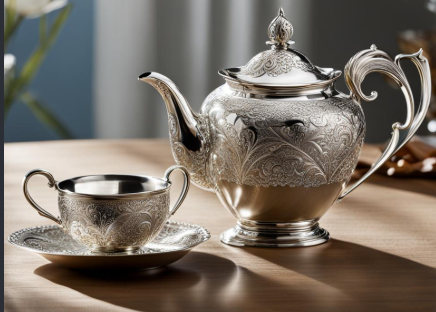
The composition of your tea set is as significant as its style. Vintage tea sets were crafted from various
materials, the most common being porcelain, bone china, and silver.
- Porcelain and Bone China: These materials are celebrated for their
translucent appearance and delicate nature. They often feature hand-painted designs, intricate gilding,
and exquisite detailing. Porcelain’s durability and bone china’s strength and lightness make them
popular choices for tea sets. - Silver: Known for its elegance and timeless appeal, silver tea sets
often require specific restoration and care techniques to maintain their luster and prevent tarnishing.
Recognizing whether your set is sterling silver or silver-plated is essential for determining the
appropriate care.
Understanding the material of your tea set is crucial, as it influences how you will clean, restore, and
store your precious pieces.
Recognizing Patterns and Manufacturers
Many vintage English tea sets are recognized for their distinctive patterns and markings, often indicative of a
particular manufacturer. These details can provide valuable insights into the origins and rarity of your tea
set. Popular manufacturers such as Wedgwood, Royal Doulton, and Meissen have left an indelible mark on the
world of fine china and are highly sought after by collectors.
Examining the backstamps or maker’s marks on your tea set pieces can help you determine the manufacturer
and period, adding to their narrative and, potentially, their value.
Assessing Condition
Before undertaking any restoration work, it’s crucial to assess the current condition of your vintage tea
set. Look for any signs of damage such as chips, cracks, or missing pieces. Determine the extent of wear and
consider any previous restoration attempts that might impact your approach to preserving the set.
Understanding these aspects will help you plan an effective restoration strategy, ensuring that your
vintage tea set retains its charm and continues to delight future generations.
Assessing the Condition of Your Tea Set
Evaluating the condition of your vintage tea set is the first and most vital step in the restoration
process. A careful assessment helps you understand the extent of restoration needed and ensures that the
methods you choose won’t inadvertently damage the pieces further. Here’s how to go about it:
Inspect for Physical Damage
Begin by thoroughly examining each piece for physical damage. Look for chips, cracks, or scratches,
particularly around the edges and handles, as these areas tend to be more fragile. Use a magnifying glass to
inspect for hairline cracks that may not be visible to the naked eye. Identifying even minor damages early
can prevent them from worsening.
Check for Discoloration and Stains
Vintage tea sets often show signs of discoloration, especially if they have been used frequently. Stains
from tea and food may be embedded in the glaze, while prolonged exposure to sunlight can lead to fading.
Document any discoloration you find as it will guide you in selecting appropriate cleaning methods.
Evaluate Previous Restoration Work
If your tea set has been previously restored, assess the quality of the work done. Look for mismatched
paints, poorly glued pieces, or any signs where overpainting might have occurred. Understanding past
restoration attempts will help you decide whether to maintain the current state or embark on a new, more
comprehensive restoration.
Evaluate the Stability of Decorations and Gilding
Assess the condition of any decorative elements, such as hand-painted designs or gilding. These
embellishments are often the first to show wear, especially if the set has been cleaned improperly in the
past. Check for any areas where the decoration is flaking or peeling off.
Document Your Findings
As you explore each piece, take detailed notes and photographs of your findings. This documentation will
serve as a reference throughout the restoration process, helping you track progress and plan any future
interventions.
Understanding the overall condition of your vintage tea set not only informs your restoration approach but
also ensures that your beloved set can be preserved effectively for the enjoyment of future
generations.
Cleaning and Restoring Your Vintage Tea Set
Restoring a vintage tea set to its former glory requires patience, care, and the right techniques. Here’s a
step-by-step guide to help you clean and restore your beloved pieces gently and effectively.
Gather the Right Tools and Materials
Before you begin, assemble the necessary tools and materials. These may include:
- Soft, lint-free cloths or sponges
- Mild dish soap or specialized porcelain cleaner
- Distilled water to prevent mineral deposits
- Soft-bristled brushes for intricate details
- Cotton swabs for tight spaces
- White vinegar or baking soda for stubborn stains
Cleaning the Tea Set
- Hand Washing Basics
Begin by gently hand washing each piece. Fill a basin with lukewarm distilled water and add a small amount
of mild soap. Avoid using the dishwasher or abrasive materials that can damage the set.
- Remove Stains Carefully
For tea stains or other discolorations, create a paste using baking soda and water. Apply this gently to
the stained area and let it sit for a few minutes before rinsing with water. For tougher stains, a weak
vinegar solution can be effective.
- Addressing Delicate Areas
Use soft-bristled brushes or cotton swabs to clean intricate details such as spouts, handles, and
decorative elements. Dip the brush or swab in soapy water and work carefully to avoid causing damage.
Restoring Decorative Elements
- Protecting Hand-Painted Designs and Gilding
When cleaning areas with gold gilding or hand-painted designs, be especially cautious. Avoid direct
scrubbing, as this can erode the design. Instead, gently pat the area with a damp cloth to preserve the
decoration.
- Dealing with Flaking Paint or Gilding
If you notice any flaking, halt the cleaning process in that area. It’s best to consult with a professional
conservator for pieces with significant decorative damage to prevent further loss.
Final Rinse and Drying
After cleaning each piece, rinse thoroughly with clean distilled water to remove any soap residue. Dry
delicately using a soft, lint-free cloth. Make sure each piece is thoroughly dry before reassembling or
storing them to prevent moisture damage.
Storing Your Restored Tea Set
Once cleaned, store your restored tea set in a safe, stable environment. Use padded storage solutions to
prevent chipping, and keep the set away from direct sunlight to avoid fading. Regularly check the condition
to ensure it remains in pristine shape.
By following these detailed cleaning and restoration steps, you’ll keep your vintage tea set looking
magnificent and ensure its longevity for years to come.
Long-Term Care for Your Tea Set
Owning a vintage tea set is not only a delightful privilege but also a responsibility to ensure its
preservation for future generations. With proper long-term care, your tea set will continue to be a source
of joy and beauty. Here’s how to maintain your treasured collection.
Optimal Storage Conditions
- Stable Environment
Store your tea set in a location with consistent temperature and humidity levels. Fluctuations can lead to
cracking or crazing in the glaze. Ideal conditions resemble the ambient indoor climate—away from basements
or attics prone to extreme temperature changes.
- Avoid Direct Sunlight
Prolonged exposure to sunlight can cause fading, especially to hand-painted designs and gilding. Display
your tea set in a shaded area or use a display cabinet with UV-resistant glass to protect the vibrant
finishes.
Handling with Care
- Use with Caution
If you choose to use your vintage tea set, handle each piece with care. Support larger items, like teapots,
from the bottom to prevent stress on handles. Avoid exposing them to high heat from direct stove use.
- Regular Inspections
Periodically inspect each piece for signs of wear or damage. Look for hairline cracks or loosened fittings.
Early detection of issues allows for timely intervention, preventing further damage.
Periodic Maintenance
- Dust and Debris Removal
Regular dusting with a soft, lint-free cloth will prevent the build-up of dirt and debris. For open
display, consider using a feather duster to gently clean.
- Professional Assessments
Every few years, consult a professional conservator to evaluate your set’s condition. They can recommend
preservation techniques or repair any minor damages to ensure your set continues to shine.
Insurance and Documentation
- Insurance Coverage
Consider insuring your vintage tea set, especially if it’s rare or holds significant sentimental value.
Include it in your homeowner’s insurance policy or take out a separate policy to safeguard against theft or
accidental damage.
- Keep Detailed Records
Document the history and provenance of your tea set, including purchase records and photographs. This data
is invaluable for insurance purposes, as well as for future generations to appreciate its story.
Enjoyment and Display
While preservation is key, don’t forget the joy of showcasing your vintage tea set. Consider displaying it
in a dedicated cabinet or during special occasions, sharing its beauty and craftsmanship with guests.
By implementing these long-term care practices, you can preserve the elegance and history of your vintage
tea set, ensuring it remains a cherished heirloom for years to come.
Using Your Vintage Tea Set Safely
Vintage tea sets can be both a treasured piece of history and a delightful element of your tea-drinking
routine. However, using them requires a careful approach to ensure their longevity and avoid damage. Here’s
how to use your vintage tea set safely:
Temperature Considerations
- Avoid Extreme Temperatures
Vintage porcelain and ceramics are vulnerable to rapid temperature changes, which can lead to cracking or
crazing. Always warm your teapot and cups gradually, starting with lukewarm water before switching to hot.
This prevents thermal shock and maintains the structural integrity of the pieces.
- Cool Down First
After use, allow your tea set to cool naturally to room temperature before washing or storing. Avoid
placing hot items immediately into cold environments, like a refrigerator, or vice versa.
Cleaning and Maintenance
- Gentle Cleaning
Use mild, non-abrasive detergents and soft cloths or sponges to clean your tea set. Avoid harsh chemicals
or scrub pads that could scratch delicate surfaces or remove hand-painted decorations.
- Hand Wash Only
While some modern tea sets are dishwasher-safe, it’s best to hand wash vintage pieces to avoid the risk of
chipping or fading that machine washing poses. Pay extra attention to intricate designs or embossed details,
ensuring they remain intact.
Handling Practices
- Mindful Carrying
When carrying a filled teapot, support the base with one hand while holding the handle with the other. This
method distributes weight evenly, reducing the strain on potentially fragile joints and preventing
accidental drops.
- Limited Pouring
Be mindful of the spout and handle when pouring. Avoid applying excessive pressure or force, which can lead
to cracks or breakage over time. Pour slowly and smoothly to maintain both your and the set’s safety.
Mindful Placement
- Stable Surfaces
Ensure the surface on which you place your vintage tea set is stable and level. Avoid rickety tables or
precarious positions where the risk of a fall is heightened.
- Avoiding Crowded Areas
Display your tea set away from high-traffic areas where accidental bumps or knocks are more likely. A
designated serving area during use will help prevent unwanted accidents.
By taking these precautions, you can enjoy both the beauty and functionality of your vintage tea set, all
while ensuring its preservation for future generations. Cherish each use as it strengthens your connection
to the past, adding a layer of historical appreciation to your tea rituals.
Showcasing Your Vintage Tea Set
Displaying a vintage tea set is an art that not only highlights its elegance but also elevates the ambiance
of your home. Follow these thoughtful tips to ensure that your tea set is showcased to its full
potential.
Selecting the Perfect Display Location
- Natural Light Beauty
Position your tea set near a source of natural light to accentuate its features, colors, and craftsmanship.
Sunlight streaming through a nearby window can create mesmerizing reflections, highlighting the gleam of
porcelain or the luster of silver.
- Secure and Stable Platforms
Choose a stable and secure surface, such as a sturdy shelf or a dedicated display cabinet, to prevent
accidents. Ideally, the area should be out of reach of small children and bustling pets.
Enhancing with Complementary Decor
- Use of Accents
Incorporate complementary decor elements such as lace doilies, elegant tray liners, or embroidered linens
to add a sophisticated touch. These accompaniments can underscore the vintage charm and offer a protective
layer against dust or scratches.
- Integrated Themes
Create a cohesive display by thematically aligning your tea set with surrounding decor. Consider
incorporating elements from the same era, such as period-specific books, artwork, or vases filled with
seasonal bouquets.
Rotating Displays
- Seasonal Arrangements
Refresh your display throughout the year to maintain visual interest. For instance, complement your tea set
with seasonal flowers or decorative items that resonate with particular holidays or seasons.
- Varying Height and Layout
Experiment with different heights and layouts to create a dynamic and engaging presentation. Place some
pieces on small risers or stack saucers to add depth and interest without overwhelming the display.
Illuminating Your Set Strategically
- Lighting Choices
Add subtle, warm lighting, such as soft LED lights or under-cabinet fixtures, to subtly highlight your tea
set in the evening hours. Opt for non-invasive lighting that enhances rather than overpowers the natural
charm of the set.
- Avoid Direct Light
While lighting is important, be cautious of direct and harsh lights that can cause fading or damage to
delicate surfaces over time. Opt for adjustable lighting to ensure each piece shines at its best without
exposure to harm.
By thoughtfully curating your vintage tea set display, you not only share a piece of history but create a
visual story that invites appreciation and admiration. Whether it’s a standalone centerpiece or part of a
broader collection, a well-presented tea set can transform any space into one of elegance and
nostalgia.
Conclusion
Restoring and caring for a vintage tea set can be a rewarding journey that blends appreciation for history
with personal creativity. Each step in the process—from careful cleaning and repair to thoughtful
display—contributes to the longevity and beauty of the pieces, allowing them to continue their story for
future generations.
By investing time in understanding the historical context and craftsmanship of your tea set, you deepen
your connection to it, transforming these objects from mere relics into cherished heirlooms. The restoration
process also offers a hands-on opportunity to preserve a piece of cultural heritage, ensuring that the
artistry and utility of these sets remain vibrant and relevant.
Proper care doesn’t just maintain the appearance of your set; it also enriches your appreciation of tea
culture as both a relaxing ritual and a social tradition. Through hosting tea gatherings with your set or
simply enjoying a quiet moment of reflection, you create new memories intertwined with the historical
significance of each cup and saucer.
Embrace the beauty in every patina and imperfection, as these characteristics tell the story of your
vintage tea set’s journey through time. Whether you keep it in your home as a decorative centerpiece or use
it regularly for special occasions, your efforts in preservation and care ensure its timeless appeal and
enduring legacy.

