

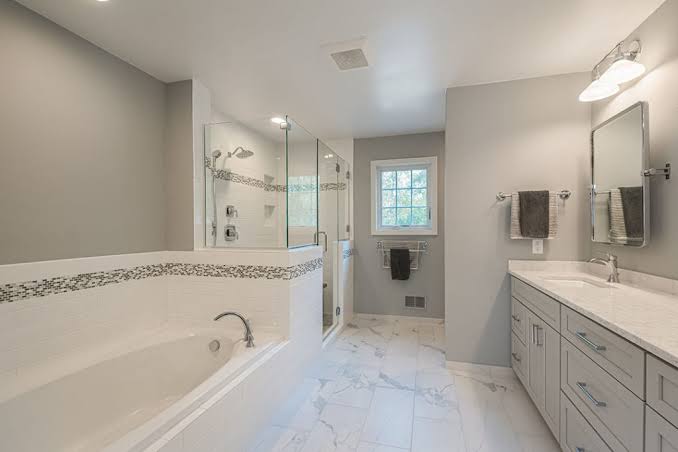
A bathroom is one of the most frequently used spaces in any home, yet it is often overlooked when homeowners think about improving their living environment. Because bathrooms combine plumbing, electrical systems, ventilation, lighting, flooring, storage, fixtures, and decorative elements in a relatively small area, even a modest renovation requires careful planning. An outdated or poorly designed bathroom can affect everyday comfort, storage, energy efficiency, and the overall appearance of a property. A thoughtfully planned renovation, on the other hand, can transform the space into a more practical, attractive, and comfortable part of the home.Professional Bathroom Remodeling can involve anything from updating fixtures and finishes to completely redesigning the layout. The scope of a project depends on the condition of the existing bathroom, the homeowner’s goals, available space, and budget. Some projects focus primarily on appearance, while others address underlying problems such as outdated plumbing, inadequate ventilation, poor lighting, water damage, or insufficient storage. Regardless of the size of the renovation, successful results depend on planning each element carefully and ensuring that aesthetic improvements work together with practical requirements.
Planning the Bathroom Before Starting
Good planning is the foundation of any successful bathroom renovation. Before selecting tiles, paint colors, faucets, or cabinets, homeowners should consider how the existing space is used and what problems they want the renovation to solve. A bathroom that feels cramped may need better storage or a more efficient layout, while a bathroom that looks outdated may benefit primarily from new finishes and fixtures.The existing condition of the room should also be assessed. Plumbing lines, electrical connections, flooring, walls, ceilings, ventilation, and waterproofing all deserve attention before cosmetic work begins. If hidden problems are discovered after new finishes have already been installed, correcting them can increase costs and extend the project timeline.Creating a realistic plan also helps establish priorities. Homeowners should distinguish between essential improvements and optional upgrades. For example, repairing water damage or replacing deteriorated plumbing may be more important than installing an expensive decorative feature. Establishing priorities early can make the renovation easier to manage and help prevent unnecessary changes during construction.
Choosing the Right Layout
The layout has a major influence on how comfortable and functional a bathroom feels. Even a small bathroom can work efficiently when fixtures are positioned thoughtfully. The location of the toilet, sink, shower, bathtub, cabinets, and doors should allow people to move through the room without unnecessary obstacles.Changing the location of plumbing fixtures can significantly increase the complexity of a renovation because new plumbing lines may be required. Keeping fixtures in approximately the same locations can sometimes reduce construction requirements, although a complete layout change may be worthwhile when the existing arrangement creates serious functional problems.Door placement should also be considered. A door that opens directly into a fixture or blocks access to storage can make a bathroom feel smaller than it actually is. In some situations, changing the direction of the door or using a different door configuration can improve accessibility and movement.A well-designed layout should balance appearance with practicality. The most attractive bathroom design will not be successful if the space is difficult to use.
Selecting Bathroom Fixtures
Fixtures are among the most visible elements of a bathroom, making their selection an important part of the renovation. Sinks, faucets, toilets, showers, bathtubs, and other fixtures are available in many designs and configurations.When choosing fixtures, homeowners should consider more than appearance. Size, water efficiency, durability, cleaning requirements, compatibility with existing plumbing, and ease of use should all influence the decision. A fixture that looks impressive but is difficult to maintain may become frustrating over time.Modern fixtures can also provide opportunities to improve efficiency. Water-saving toilets, faucets, and shower systems can reduce water consumption without necessarily sacrificing comfort. The right choices depend on the needs of the household and the specifications of the existing plumbing system.Consistency is also important from a design perspective. Fixtures do not necessarily need to match perfectly, but finishes and shapes should complement one another. Coordinating the major elements can create a more intentional and polished appearance.
Improving Bathroom Storage
Storage is one of the most important considerations in bathroom design. Towels, toiletries, cleaning supplies, personal-care products, and other items can quickly create clutter when there is insufficient storage space.Vanities can provide valuable storage beneath the sink while also creating a focal point in the room. Wall-mounted cabinets, recessed shelves, medicine cabinets, and built-in niches can provide additional storage without taking up excessive floor space.Open shelving can be useful for displaying decorative items and keeping frequently used products accessible. However, completely open storage may make the room look cluttered if too many items are left visible. A combination of concealed and open storage often provides a practical balance.Storage should also be designed around actual usage. Items used every day should be easy to reach, while less frequently needed supplies can be stored in less accessible areas. Thoughtful organization can make a bathroom feel larger and more comfortable even when the physical dimensions remain unchanged.
Choosing Durable Flooring
Bathroom floors experience regular exposure to moisture, cleaning products, temperature changes, and foot traffic. Selecting a suitable flooring material is therefore an important part of the renovation.The flooring should provide appropriate water resistance and sufficient traction for the environment. Smooth, highly polished surfaces may create a greater slipping concern when wet, while textured or appropriately finished materials can provide additional grip.Tile remains a popular choice because it is available in many colors, patterns, sizes, and textures. Other materials may also be suitable depending on the design and installation requirements. Regardless of the material selected, proper installation is critical.The condition of the subfloor should be evaluated before new flooring is installed. Water damage, movement, or deterioration underneath the finished surface can cause problems later if it is not corrected beforehand.
Selecting Wall Finishes and Tile
Wall finishes can dramatically influence the appearance of a bathroom. Tile is commonly used in shower areas and around bathtubs because it provides a durable surface that can be cleaned relatively easily.The size and pattern of tiles can influence how spacious a room appears. Larger tiles can create fewer visible grout lines, while smaller tiles can provide more opportunities for decorative patterns and textures.Color selection also plays an important role. Lighter colors can create an airy appearance, while darker shades can add contrast and visual depth. Neutral finishes often provide flexibility because decorative elements can be changed without requiring another major renovation.Grout should not be overlooked. Its color, width, and maintenance requirements can influence both appearance and long-term upkeep. Properly installed and maintained grout helps protect tiled surfaces and contributes to a finished appearance.
Creating Effective Bathroom Lighting
Lighting is essential for both functionality and atmosphere. A bathroom needs enough illumination for everyday activities such as grooming and cleaning, but it can also benefit from softer lighting for a more relaxing environment.A combination of general, task, and accent lighting can provide greater flexibility. General lighting illuminates the overall space, while task lighting can be positioned around mirrors and other areas where detailed activities take place.Mirror lighting deserves particular attention because poorly positioned lights can create shadows that make grooming more difficult. Even well-positioned illumination around the face is generally more useful than relying solely on a single overhead fixture.Energy-efficient lighting can also help reduce electricity consumption and may provide longer service life. The selected fixtures should be appropriate for bathroom conditions and installed according to applicable safety requirements.
Improving Ventilation and Moisture Control
Bathrooms naturally produce significant amounts of moisture. Without adequate ventilation, humidity can accumulate on walls, ceilings, mirrors, and other surfaces. Persistent moisture can contribute to unpleasant odors, deterioration, and mold growth.A properly functioning exhaust fan can help remove humid air from the room. The ventilation system should be appropriately sized for the bathroom and installed so that moisture is effectively directed outside rather than simply moved into another part of the building.Windows can provide additional ventilation where appropriate, but they may not be sufficient on their own, particularly in bathrooms with frequent use or limited natural airflow.During a renovation, ventilation problems provide an opportunity to improve long-term durability. Addressing moisture at the design stage can help protect finishes, cabinetry, paint, and other materials.
Waterproofing and Preventing Water Damage
Waterproofing is one of the most important technical aspects of a bathroom renovation. Areas around showers, bathtubs, floors, and other moisture-prone locations require appropriate protection to prevent water from reaching vulnerable building materials.A bathroom can look completely finished while hidden waterproofing problems remain beneath the surface. If water penetrates walls or flooring, it can contribute to structural deterioration, mold growth, and costly repairs.Professional bathroom remodeling should therefore consider waterproofing as an essential part of the project rather than treating it as an optional upgrade. Proper preparation, suitable waterproofing systems, correctly installed membranes, and carefully sealed joints can help protect the underlying structure.Waterproofing is particularly important in shower areas because these spaces experience repeated direct exposure to water. The quality of the installation often matters as much as the appearance of the finished tile.
Making a Small Bathroom Feel Larger
Bathrooms do not need to be physically large to feel spacious. Design choices can significantly influence the perception of space.Large mirrors can reflect light and make the room appear more open. Light colors, transparent shower enclosures, wall-mounted fixtures, and streamlined cabinetry can also reduce visual clutter.Storage should be integrated carefully so that essential items remain accessible without overwhelming the room. Recessed niches and built-in shelving can be especially useful where floor space is limited.Using consistent materials and colors can also create visual continuity. Too many contrasting patterns can make a small room feel busy, while a more controlled palette can create a calmer appearance.
Energy and Water Efficiency
A bathroom renovation provides an opportunity to improve resource efficiency. Water-efficient fixtures can reduce unnecessary consumption, while energy-efficient lighting can lower electricity use.The benefits of efficiency extend beyond monthly utility costs. Reducing water consumption can also decrease the amount of energy required to heat water, depending on the property’s hot-water system.Efficient design does not have to mean sacrificing comfort. Modern fixtures are available in many configurations designed to provide useful performance while using fewer resources.Homeowners should consider the long-term operating costs of their choices rather than focusing only on the initial purchase price. A slightly more efficient fixture may provide value over many years of regular use.
Accessibility and Long-Term Comfort
A bathroom should be comfortable not only today but also as household needs change. Accessibility considerations can make a bathroom easier to use for people with different mobility requirements.Features such as wider clearances, appropriately positioned grab bars, walk-in showers, handheld showerheads, and slip-resistant flooring can improve usability. Even homeowners who do not currently need accessibility features may appreciate a design that allows greater flexibility in the future.Universal design principles can often be incorporated without making a bathroom look institutional. Modern fixtures and finishes can provide accessibility while maintaining a stylish appearance.Planning for long-term use can also reduce the likelihood of needing another major renovation simply because household needs have changed.
Managing the Remodeling Budget
Budget management is another essential part of renovation planning. Bathroom projects can vary considerably in cost depending on their size, materials, plumbing requirements, structural changes, and labor.Homeowners should establish a realistic budget before construction begins and maintain some flexibility for unexpected issues. Once walls and floors are opened, previously hidden plumbing damage, water damage, or structural problems may become visible.It is helpful to allocate the budget according to priorities. Essential structural and functional work should generally receive attention before purely decorative upgrades.Material selections can also have a substantial effect on costs. There are many ways to achieve an attractive design without selecting the most expensive option in every category. Combining higher-quality materials in important areas with practical alternatives elsewhere can create a balanced result.
Working With Professional Remodeling Contractors
Choosing an experienced remodeling professional can make a major difference in the outcome of a bathroom renovation. A qualified contractor should understand the coordination required between plumbing, electrical work, waterproofing, flooring, cabinetry, ventilation, and finishing.Before hiring a contractor, homeowners should discuss the scope of work, materials, estimated timeline, payment arrangements, and responsibilities. Clear documentation can help prevent misunderstandings later.Communication throughout the project is equally important. Changes made after construction begins can affect schedules and costs, so design decisions should be finalized as early as practical.Professional bathroom remodeling can also help ensure that technical aspects of the renovation receive appropriate attention. Experienced contractors can identify potential problems, coordinate different trades, and help turn a design concept into a functional finished space.
Maintaining a Newly Remodeled Bathroom
Once the renovation is complete, regular maintenance can help preserve the condition of the new space. Surfaces should be cleaned according to manufacturer recommendations, while grout and sealants should be inspected periodically.Ventilation should be used consistently during and after showers to reduce moisture accumulation. Leaks around faucets, toilets, shower fittings, and plumbing connections should be addressed promptly.Cabinetry should be protected from excessive moisture, and standing water should not be allowed to remain on floors or countertops for extended periods.Regular maintenance does not require significant effort when problems are addressed early. A small leak or damaged seal can often be corrected before it becomes a larger source of water damage.
Final Thoughts on a Successful Bathroom Transformation
A bathroom renovation is an opportunity to improve much more than appearance. With careful planning, homeowners can create a space that is more functional, comfortable, efficient, durable, and visually appealing. The most successful projects consider every element together, from layout and plumbing to lighting, storage, ventilation, waterproofing, and finishes.Professional bathroom remodeling can provide the expertise needed to coordinate these different aspects and address hidden problems before they become expensive complications. A well-planned renovation should focus on long-term value rather than simply following temporary design trends.Ultimately, the best bathroom is one that works naturally for the people who use it. Thoughtful storage reduces clutter, appropriate lighting improves everyday tasks, efficient fixtures can reduce resource consumption, and effective ventilation protects the space from excess moisture. Durable materials and proper installation can further extend the life of the renovation.Whether the project involves a simple update or a complete transformation, careful planning and quality workmanship are essential. By balancing design preferences with practical requirements, homeowners can create a bathroom that remains comfortable, attractive, and functional for many years.

