

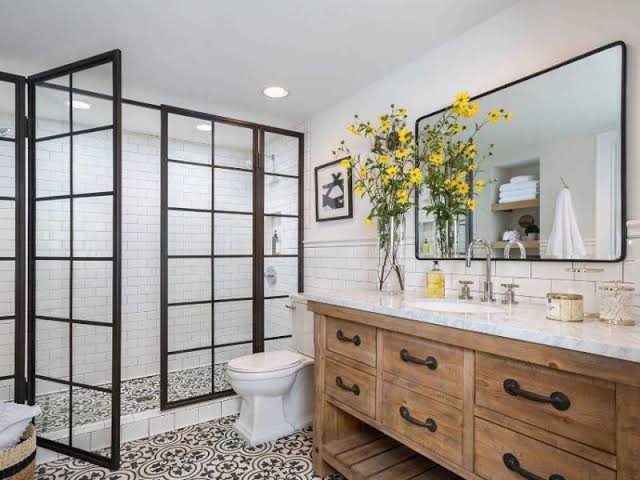
A bathroom remodel is one of the most effective ways to improve the comfort, functionality, appearance, and overall usability of a home. Bathrooms are used every day, yet they are often overlooked when homeowners consider improvements to their living spaces. Over time, outdated fixtures, worn flooring, damaged surfaces, inefficient layouts, poor storage, and aging plumbing can make a bathroom feel inconvenient and unattractive. A carefully planned remodeling project can address these issues while creating a space that is more comfortable, practical, durable, and visually appealing.A successful bathroom renovation involves much more than selecting new tiles or replacing an old vanity. It requires thoughtful planning, appropriate material selection, attention to plumbing and electrical systems, proper ventilation, moisture management, and careful consideration of how the space will be used. Whether the goal is a simple cosmetic update or a complete transformation, understanding the remodeling process can help homeowners make better decisions and avoid unnecessary problems. With the right approach, even an older bathroom can be transformed into a modern and functional space that meets the needs of the household for many years.
Understanding the Goals of a Bathroom Remodel
Before beginning a remodeling project, homeowners should clearly define what they want to accomplish. Some projects focus primarily on improving appearance, while others are designed to solve practical problems such as insufficient storage, poor lighting, outdated plumbing, or an inefficient layout. Establishing priorities early helps determine where the budget should be allocated and which changes will provide the greatest benefit.A cosmetic remodel may involve repainting walls, replacing fixtures, updating cabinet hardware, installing new mirrors, improving lighting, or replacing outdated accessories. These changes can significantly refresh the appearance of a bathroom without requiring major structural work. A larger renovation may involve replacing flooring, moving plumbing fixtures, installing a new shower or bathtub, changing the vanity, upgrading electrical components, and redesigning the entire layout.The intended users of the bathroom should also influence the design. A family bathroom may require durable surfaces, ample storage, and easy-to-clean materials, while a primary bathroom may place greater emphasis on comfort, aesthetics, and luxury features. A bathroom used by children may benefit from practical fixtures and durable finishes, whereas an accessible bathroom may require wider clearances, grab bars, walk-in showers, and other safety-oriented features.
Creating a Practical Bathroom Layout
The layout is one of the most important aspects of a bathroom remodel because it affects how comfortably people can move through the space. A beautiful bathroom can still be frustrating if fixtures are poorly positioned or there is insufficient room around key areas.Before changing the layout, homeowners should consider the existing plumbing locations, electrical connections, ventilation system, doors, windows, and structural elements. Moving plumbing fixtures can increase the complexity and cost of a renovation, particularly when pipes are located inside walls or beneath floors. In some situations, keeping major plumbing connections in approximately the same locations can allow more of the budget to be used for finishes and features.The placement of the toilet, vanity, shower, and bathtub should allow comfortable movement without creating unnecessary obstacles. Door swings should also be considered carefully because a poorly positioned door can reduce usable floor space. Storage cabinets should not interfere with movement, and shower doors should have enough clearance to operate safely.A good layout balances aesthetics with everyday practicality. The objective is not simply to make the room look impressive in photographs but to ensure that it functions comfortably during daily use.
Choosing Bathroom Fixtures
Fixtures are among the most noticeable components of a remodeled bathroom. Sinks, toilets, faucets, showers, bathtubs, and other fittings are available in a wide variety of styles, sizes, finishes, and price ranges.When selecting fixtures, homeowners should consider both appearance and performance. A fixture that looks attractive but is difficult to clean, uncomfortable to use, or poorly suited to the space may become frustrating over time. The dimensions of each fixture should be checked carefully before purchasing to ensure that it will fit the intended location.Faucet finishes can help establish the overall visual style of the room. Chrome, brushed finishes, matte surfaces, and other options can complement different design approaches. Consistency is often helpful, although mixing finishes can also work when the combination is intentional.Water efficiency is another consideration. Modern fixtures may be designed to reduce unnecessary water consumption while maintaining useful performance. Choosing efficient fixtures can help reduce long-term operating costs without requiring major lifestyle changes.
Selecting Durable Flooring
Bathroom flooring needs to withstand moisture, humidity, frequent cleaning, and regular foot traffic. The material should therefore be selected for both appearance and durability.Tile remains a popular option because it is available in many styles, patterns, colors, and textures. Porcelain and ceramic products can provide a durable surface when properly installed. Natural stone can create a distinctive appearance but may require additional maintenance depending on the specific material.Slip resistance should also be considered, particularly in areas that frequently become wet. A visually attractive floor is not sufficient if its surface becomes dangerously slippery when exposed to water.The quality of installation is just as important as the flooring material itself. Improperly prepared surfaces, poor drainage, inadequate waterproofing, or incorrectly installed tiles can result in cracks, movement, moisture intrusion, or other problems. Professional installation can help ensure that the flooring performs properly over time.
Designing a Functional Shower
The shower is often one of the most important elements of a bathroom remodel. A new shower can improve both comfort and appearance, but its design should take practical requirements into account.Shower size, wall materials, floor slope, drainage, fixtures, storage, and enclosure design all affect usability. A properly designed shower should allow sufficient space for comfortable movement while providing effective water drainage.Built-in niches and shelves can provide convenient storage for shampoo, soap, and other products without taking up valuable floor space. Handheld shower systems can add flexibility, while multiple shower controls may provide additional convenience depending on the design.Waterproofing is particularly important in shower areas. Water can cause significant damage if it reaches framing, subflooring, or other materials that are not designed for prolonged moisture exposure. Waterproofing systems should be installed correctly behind and beneath appropriate surface materials rather than relying solely on the visible tile layer.
Choosing the Right Vanity and Storage
Storage is a major consideration in bathroom design because personal care products, towels, cleaning supplies, and other items need designated spaces. A well-designed vanity can provide valuable storage while also serving as a visual focal point.The size of the vanity should be appropriate for the room. An oversized vanity may reduce floor space and make the bathroom feel cramped, while an undersized unit may fail to provide sufficient storage.Drawers and cabinets should be selected based on how the space will actually be used. Deep drawers can be useful for larger items, while smaller compartments can help organize everyday products. Wall-mounted cabinets and shelving can provide additional storage without significantly reducing floor space.Countertop selection should also balance appearance and durability. Bathroom countertops are regularly exposed to water, cleaning products, cosmetics, and other substances, so the chosen material should be appropriate for the environment.
Improving Bathroom Lighting
Lighting can dramatically affect the appearance and functionality of a bathroom. A combination of general, task, and accent lighting can provide better illumination while creating a more comfortable atmosphere.General lighting provides overall illumination, while task lighting is particularly important around mirrors and vanities. Poorly positioned lighting can create shadows on the face, making everyday grooming tasks more difficult. Properly placed fixtures can provide more even illumination.Accent lighting can be used to highlight architectural features, shelving, decorative tile, or other design elements. Dimmable options can provide flexibility, allowing the brightness to be adjusted according to the time of day or activity.Electrical work in bathrooms requires particular care because electrical systems operate near water. Lighting fixtures, switches, outlets, and protective devices should be installed appropriately for the environment and according to applicable electrical requirements. Complex electrical work should be handled by qualified professionals.
The Importance of Proper Ventilation
Ventilation is one of the most important but frequently overlooked aspects of bathroom remodeling. Bathrooms naturally produce humidity from showers, baths, and hot water use. Without adequate ventilation, excess moisture can accumulate on walls, ceilings, mirrors, and other surfaces.Persistent humidity can contribute to peeling paint, deterioration of materials, unpleasant odors, and microbial growth. A properly designed ventilation system helps remove moist air and improve overall indoor conditions.The ventilation fan should be appropriately sized for the room and installed so that moisture is effectively exhausted rather than simply moved into another enclosed area. Ventilation ducts should also be properly configured.Improving ventilation during a remodel can protect newly installed finishes and reduce future maintenance problems. It is therefore worth considering ventilation as part of the overall renovation rather than treating it as an afterthought.
Selecting Wall and Tile Materials
Wall finishes have a major influence on the visual character of a bathroom. Tile can create a classic appearance, while painted surfaces can provide a simpler and more flexible design. Decorative tile can be used to create focal areas around showers, bathtubs, or vanity walls.When selecting materials, homeowners should consider how easily each surface can be cleaned and maintained. Bathrooms are exposed to water, soap residue, cosmetics, and cleaning products, so surfaces should be able to withstand regular maintenance.Color selection also affects how large or small the room feels. Lighter colors can create a brighter and more open appearance, while darker colors can add depth and contrast. Patterns should be chosen carefully because highly distinctive designs may dominate the room.The best material choices combine personal style with practical durability. A bathroom should look appealing while remaining easy to maintain under everyday conditions.
Managing Plumbing During the Remodel
Plumbing is a critical part of any bathroom renovation. Even when fixtures are being replaced without changing their locations, old supply lines, drains, valves, and connections may need to be inspected.A remodel provides an opportunity to identify aging plumbing components before they become problematic. Hidden leaks can cause serious damage to walls, floors, cabinets, and structural materials, so plumbing connections should be checked carefully.Moving fixtures can be more complex because new supply and drainage lines may need to be installed. This can require access behind walls or beneath flooring. Before changing the layout, homeowners should understand the potential impact on labor, materials, and project timelines.Qualified plumbing professionals can evaluate existing systems and ensure that new fixtures are connected appropriately. Proper installation is essential because a small plumbing leak can eventually cause significant property damage.
Waterproofing and Moisture Protection
Waterproofing is one of the most important technical aspects of bathroom remodeling. Tile and grout alone do not necessarily provide complete protection against water intrusion. Areas exposed to frequent moisture require appropriate waterproofing systems behind and beneath finished surfaces.Showers, tub surrounds, floors, and other wet areas should be carefully prepared before tile or other materials are installed. Seams, corners, penetrations, and transitions require particular attention because these are common areas where water can enter.Improper waterproofing may not produce immediate visible problems. Damage can develop gradually behind finished surfaces, making it difficult to identify until significant deterioration has already occurred. Investing in proper moisture protection during the remodel can therefore prevent expensive repairs later.
Establishing a Realistic Remodeling Budget
A successful bathroom remodel requires careful budget planning. Costs can vary significantly depending on the size of the bathroom, materials, fixtures, labor, layout changes, and structural or plumbing requirements.Homeowners should divide the budget into major categories such as demolition, plumbing, electrical work, flooring, wall finishes, fixtures, cabinetry, countertops, lighting, ventilation, labor, and miscellaneous materials. This provides a clearer understanding of where money is being spent.It is also wise to include a contingency amount for unexpected conditions. Once walls or flooring are opened, previously hidden issues may become visible. Damaged subfloors, outdated wiring, deteriorated plumbing, or structural problems can require additional work.A realistic budget should therefore account for both planned improvements and potential surprises. Trying to eliminate all contingency funds can create difficulties if an unexpected problem occurs during construction.
Hiring the Right Remodeling Professionals
The quality of workmanship can significantly influence the final result of a bathroom remodel. Homeowners should evaluate contractors and specialists based on experience, communication, previous work, and understanding of bathroom-specific requirements.A professional should be able to explain the project scope, expected sequence of work, materials, timelines, and payment structure. Written estimates can help reduce misunderstandings and clarify what is included in the project.Because bathroom remodeling often involves several trades, coordination is particularly important. Plumbing, electrical work, waterproofing, tile installation, cabinetry, painting, and other tasks need to be completed in an appropriate sequence.Good communication throughout the project can help identify changes or concerns before they become expensive problems. Homeowners should also confirm that required permits and inspections are handled appropriately where applicable.
Making the Remodel More Comfortable and Efficient
A bathroom remodel can provide an opportunity to improve everyday comfort in ways that go beyond appearance. Heated flooring, improved ventilation, efficient fixtures, better storage, modern lighting, and upgraded shower systems can all contribute to a more enjoyable space.Energy and water efficiency can also be considered. Efficient lighting and plumbing fixtures may reduce ongoing operating costs. Improved insulation and ventilation can contribute to better moisture management and indoor comfort.Accessibility is another useful consideration. Features such as walk-in showers, wider clearances, handheld showerheads, strategically positioned grab bars, and comfortable fixture heights can make a bathroom easier to use for people with changing mobility needs.Even if accessibility is not currently a priority, flexible design choices can help ensure that the bathroom remains functional as household needs change over the most frequently used spaces in a home. The best projects combine attractive design with practical planning, durable materials, proper installation, and attention to long-term performance. From the initial layout to the final clear goals. Homeowners should determine which problems need to be solved, which features matter most, and how the available budget should be allocated. Layout, storage, lighting, ventilation, plumbing, waterproofing, flooring, and fixtures should all be considered as parts of one integrated design rather than compensate for poor waterproofing, incorrect plumbing, inadequate ventilation, or improper installation. Working with experienced professionals can help ensure that the finished bathroom is not only visually appealing but also provide lasting value by improving comfort, functionality, organization, and appearance. By balancing design preferences with practical requirements and investing in proper construction methods, homeowners can create a time.
Final Thoughts on a Successful Bathroom Remodel
A bathroom remodel is an opportunity to improve one of the most frequently used spaces in a home. The best projects combine attractive design with practical planning, durable materials, proper installation, and attention to long-term performance. From the initial layout to the final fixtures, every decision can influence how comfortable and useful the finished bathroom will be.Successful remodeling begins with clear goals. Homeowners should determine which problems need to be solved, which features matter most, and how the available budget should be allocated. Layout, storage, lighting, ventilation, plumbing, waterproofing, flooring, and fixtures should all be considered as parts of one integrated design rather than isolated decisions.Quality workmanship is equally important. Even the most expensive materials cannot compensate for poor waterproofing, incorrect plumbing, inadequate ventilation, or improper installation. Working with experienced professionals can help ensure that the finished bathroom is not only visually appealing but also durable and safe.Ultimately, a thoughtfully planned bathroom remodel can provide lasting value by improving comfort, functionality, organization, and appearance. By balancing design preferences with practical requirements and investing in proper construction methods, homeowners can create a bathroom that feels modern and inviting while remaining reliable and easy to maintain for years to come.

