

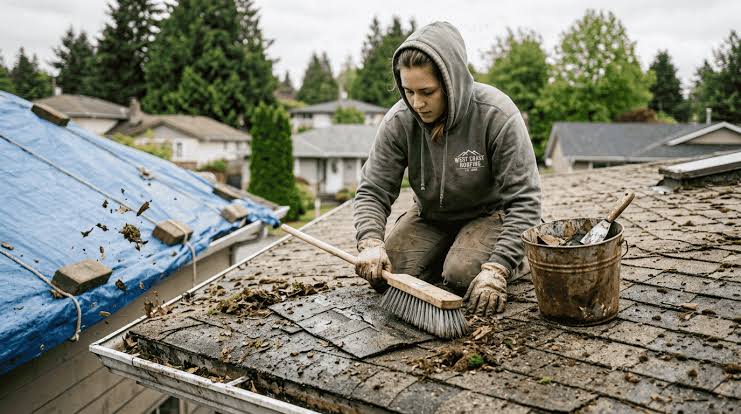
A roof plays a critical role in protecting a property from rain, wind, sunlight, temperature changes, and other environmental conditions. Although a properly installed roofing system can provide protection for many years, it is continuously exposed to weather and naturally experiences wear over time. Small defects can develop around shingles, tiles, flashing, vents, valleys, seams, fasteners, and drainage components. If these problems are ignored, moisture may eventually reach the roof deck, insulation, walls, ceilings, and other parts of the building. What begins as a relatively small roofing defect can therefore become a much more expensive property problem.Regular inspections and timely maintenance are important because they allow problems to be identified before they become extensive. Established roof-maintenance guidance emphasizes periodic inspections and prompt correction of minor defects as part of an effective maintenance program. GovInfo+1 When damage is discovered, the appropriate solution depends on the type of roofing system, the location and extent of the defect, the age of the roof, and the condition of surrounding materials. Understanding these factors can help property owners make informed decisions about repairs and avoid temporary solutions that fail to address the underlying cause.
Understanding Why Roof Problems Develop
Roofing systems can deteriorate for many different reasons. Normal aging gradually affects roofing materials, while severe weather can accelerate deterioration. Strong winds may loosen or displace roofing components, heavy rain can expose weaknesses around flashing and penetrations, and falling branches can puncture or damage the roof surface. Poor installation, inadequate drainage, improper maintenance, and physical impact can also contribute to premature problems.The roof’s design and material influence how it responds to these conditions. Asphalt shingles, metal panels, tile, slate, membranes, and other roofing systems each have different maintenance requirements and failure patterns. A repair method that works for one material may not be appropriate for another. This is why identifying the roofing system and understanding its construction are important before work begins.Small defects can become larger when they are repeatedly exposed to moisture. For example, a damaged flashing joint may allow water to enter beneath the roofing material. The water can then travel along underlying surfaces before appearing inside the building. This means the location of an interior stain is not necessarily the location where water entered the roof. A proper inspection should attempt to identify the actual pathway rather than simply treating the visible symptom.
Recognizing Early Warning Signs
Property owners do not need to climb onto the roof to monitor every potential problem. Many warning signs can be identified from the ground or from accessible interior areas. Missing, displaced, cracked, curled, or visibly damaged roofing materials may indicate that the roof requires closer examination. Accumulated granules in gutters can also be a sign of deterioration in asphalt-based roofing materials.Interior signs can be equally important. Water stains on ceilings or walls, damp insulation, peeling paint, musty odors, or visible moisture around roof penetrations may indicate that water is entering the building. Some leaks only become apparent during heavy rainfall, strong winds, or particular weather conditions, so documenting when the problem occurs can provide useful information for a roofing professional.Sagging areas should receive particular attention because they may indicate moisture-related deterioration or structural concerns. A property owner should not assume that a sagging section is simply a cosmetic issue. Structural conditions can be more serious than surface damage and should be evaluated by an appropriately qualified professional.Industry guidance recommends examining the roof system as a whole, including roofing materials, flashings, edges, penetrations, and drainage components. Roofing Contractor+1
Why Prompt Repairs Matter
Delaying a known roofing problem can increase the potential for secondary damage. Water that enters through a small opening may remain hidden inside insulation or structural materials before becoming visible. Continued moisture exposure can deteriorate materials and create conditions that require more extensive restoration.Prompt Roof Repair can help limit the scope of a problem when the damage is isolated and the surrounding roofing system remains in good condition. Addressing a damaged flashing component, replacing a missing roofing unit, correcting a drainage problem, or repairing a localized defect may be considerably simpler than dealing with widespread deterioration later.Timely repairs also make it easier to maintain a predictable maintenance schedule. Instead of allowing several small problems to accumulate, property owners can address defects as they are identified and keep records of the work. These records can provide useful information when evaluating the roof’s condition in the future.However, speed should not come at the expense of proper diagnosis. Applying sealant or another temporary material to a visible symptom may not solve the actual source of a leak. A repair should be based on an understanding of how water is entering and moving through the roofing system.
Inspecting Flashing and Roof Penetrations
Flashing is one of the most important areas to examine during a roof inspection. It is used around locations where different surfaces meet or where objects penetrate the roofing system, including chimneys, vents, skylights, walls, curbs, and other transitions. These areas can be vulnerable because they contain joints and changes in the roofing surface.Maintenance guidance specifically emphasizes careful inspection of flashings and penetrations because defects in these areas can contribute to leaks. Roofing Contractor+1 Deteriorated sealants, loose flashing, corrosion, damaged boots, and separated joints can create pathways for water.A professional should evaluate these details as part of a broader roof assessment. Repairing flashing may involve resealing, replacing damaged sections, correcting installation details, or addressing the underlying roofing material. The appropriate solution depends on the type of system and the specific defect.
Checking Gutters and Drainage
A roof cannot function properly if water has nowhere to go. Gutters, downspouts, drains, scuppers, valleys, and other drainage components are designed to direct water away from vulnerable areas. When these systems become blocked or damaged, water may accumulate where it should not.Leaves, branches, dirt, and other debris can restrict drainage. Gutters may also sag, separate, or develop holes. Downspouts can become blocked or disconnected, causing water to discharge close to the building rather than moving away from it.Keeping drainage systems functional is an important part of roof maintenance. Professional inspection guidance recommends paying attention to valleys, gutters, and drains because debris accumulation can interfere with proper water movement. National Roofing Contractors AssociationDrainage problems should not automatically be treated as separate from roofing concerns. Persistent water accumulation can increase stress on roofing materials and may contribute to leaks or premature deterioration. Correcting the drainage issue can therefore be an important part of protecting the roof.
Repairing Different Types of Roofing Materials
Roof repairs vary significantly depending on the roofing material. Asphalt shingles may require replacement of damaged or missing shingles, while metal roofing may require attention to fasteners, seams, coatings, flashing, or corrosion. Tile and slate systems may require replacement of cracked or broken individual pieces, while low-slope roofs may involve membrane repairs, seam work, flashing corrections, or other specialized techniques.The repair materials should be compatible with the existing roofing system. Using inappropriate products can create adhesion problems, accelerate deterioration, or interfere with manufacturer requirements. Professional roofing contractors should understand the specific requirements of the installed system and follow appropriate repair procedures.The age of the roof is also relevant. A relatively new roof with one isolated defect may be a strong candidate for localized repair. An older roof with widespread deterioration may require a more comprehensive evaluation before additional repair work is authorized.
Understanding the Difference Between a Leak and Its Source
One of the most important concepts in roofing is that the visible location of water is not necessarily the entry point. Water can travel across or beneath roofing materials, along framing, through insulation, or around penetrations before appearing on an interior surface.For this reason, simply patching the area directly above a ceiling stain may not resolve the issue. A systematic inspection should trace the likely water pathway and examine areas above and around the interior symptom.Weather conditions can provide useful clues. If a leak occurs only during wind-driven rain, for example, the source may involve a particular exposed transition or flashing detail. If it appears only after prolonged rainfall, drainage or water accumulation may deserve closer attention. Recording the timing and circumstances of leaks can help professionals diagnose recurring problems more accurately.
When Temporary Repairs Are Not Enough
Temporary measures can sometimes be appropriate when immediate protection is necessary, particularly when permanent repairs cannot be completed immediately. However, temporary measures should not be confused with a permanent solution.Repeated patching of the same area may indicate that the underlying problem has not been correctly identified. If a roof continues to leak after several repairs, a more comprehensive inspection may be of the roof before investing heavily in repeated localized repairs. A roof that has widespread deterioration may not be a good candidate for continual patching, even necessary. There may be deterioration beneath the visible surface, a drainage issue, failed flashing, or another defect that has not been addressed.Property owners should also consider the overall condition of the roof before investing heavily in repeated localized repairs. A roof that has widespread deterioration may not be a good candidate for continual patching, even if individual defects can technically be repaired.
Deciding Between Repair and Replacement
The decision to repair or replace a roof should be based on its overall condition rather than a single defect. Localized damage on an otherwise healthy roof can often be addressed without replacing the entire system. Conversely, widespread deterioration, recurring leaks, severe material failure, or an aging roofing system may justify evaluating replacement.The cost of repeated repairs is another consideration. A series of small repairs may initially appear less expensive than replacement, but continued maintenance can become inefficient if new problems appear regularly. A professional assessment can help property owners compare the likely costs to be considered. If moisture has caused significant deterioration beneath the visible roofing layer, simply installing new surface materials may not solve the underlying problem and benefits of each option.The condition of the roof deck and other underlying materials should also be considered. If moisture has caused significant deterioration beneath the visible roofing layer, simply installing new surface materials may not solve the underlying problem.
Choosing a Qualified Roofing Professional
Selecting a qualified roofing contractor is an important part of the repair process. Property owners should consider relevant experience, licensing or credentials where applicable, insurance, references, warranties, written estimates, and communication practices.A detailed estimate should explain the scope of work rather than simply providing a total price. It should identify the proposed materials, areas to be repaired, preparation requirements, cleanup responsibilities, and any conditions that could affect the final cost.Property owners should also ask questions about the diagnosis. A trustworthy contractor should be able to explain what caused the problem, why the recommended repair and repairs can also be beneficial. Maintenance records provide a history of the roof’s condition and may help address that cause, and whether other areas of the roof require attention.Keeping documentation of inspections and repairs can also be beneficial. Maintenance records provide a history of the roof’s condition and may help identify recurring problems or determine when replacement planning should begin.
Safety During Roof Repairs
Roof work involves significant safety risks. Steep slopes, wet surfaces, fragile materials, ladders, electrical equipment, and changing weather conditions can all create hazards. Property owners should avoid attempting repairs that require climbing onto the roof unless they have the appropriate training and safety equipment.Ground-level inspections can often identify obvious changes without requiring roof access. Guidance for homeowners specifically recommends visual inspection from the ground as a safer way to monitor roof conditions. GAFProfessional roofing crews use appropriate safety procedures and equipment for elevated work. Property owners should not place themselves at unnecessary risk simply to investigate or repair a defect that can be handled by a qualified professional.
Maintaining the Roof After Repairs
Completing a repair does not eliminate the need for ongoing maintenance. Roofing systems that remain exposed to weather can justify an additional inspection because strong winds, hail, heavy rain, or falling debris can cause damage between scheduled inspections. Government guidance recommends regular inspections and additional checks after unusually severe weather events. repairs, so periodic inspections can help identify new problems before they become extensive.A maintenance program may include checking roofing materials, flashing, penetrations, drainage components, and accessible interior areas. Severe weather can justify an additional inspection because strong winds, hail, heavy rain, or falling debris can cause damage between scheduled inspections. Government guidance recommends regular inspections and additional checks after unusually severe weather events.Keeping gutters and drainage paths clear is another important maintenance task. Property owners should also monitor the attic and interior ceilings for new signs of moisture. Any recurring stain or unexplained dampness deserves attention rather than being ignored.
Planning for Long-Term Roof Performance
A roof should be viewed as a long-term system rather than an isolated construction component. Proper installation, routine inspection, timely repairs, appropriate ventilation, effective drainage, and suitable maintenance all contribute to long-term performance.Maintaining a roof history can make future decisions easier. Records can include installation information, material specifications, warranties, inspection reports, photographs, invoices, and repair details. Such documentation can help property owners understand how the roof has performed and identify patterns of recurring problems.A systematic approach also makes budgeting easier. Instead of waiting for an emergency failure, property owners can monitor the roof’s condition and plan major work when necessary. This can provide greater control over both timing and expenses.
Final Thoughts on Protecting Your Roof
Roof problems rarely become easier or less expensive when they are ignored. A small damaged component can allow moisture to enter the roofing system, while a minor drainage problem can contribute to repeated water exposure. Regular inspections and timely repairs provide an opportunity to address these issues before they spread.Professional Roof Repair should begin with an accurate diagnosis rather than a quick patch over the most visible symptom. Understanding the roofing material, identifying the actual source of water entry, examining flashing and penetrations, checking drainage, and evaluating the overall age and condition of the system can help determine the appropriate solution.For some roofs, a localized repair may restore reliable performance for many years. For others, widespread deterioration may make replacement a more practical long-term option. The right decision depends on the specific condition of the roofing system and should be based on a professional assessment rather than assumptions.Ultimately, effective roof care combines prevention, inspection, timely action, and quality workmanship. Property owners who monitor their roofs, maintain drainage systems, respond promptly to warning signs, and use qualified professionals for significant work can reduce the likelihood of extensive damage. A proactive approach not only helps protect the roof itself but also protects the walls, ceilings, insulation, belongings, and structural components beneath it.

