

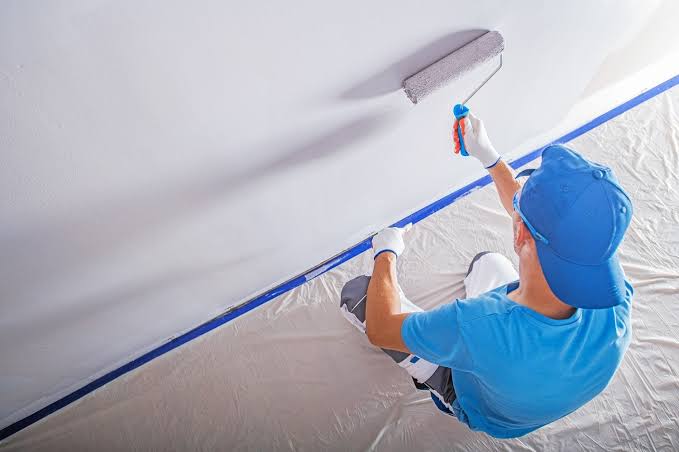
A fresh coat of paint can completely change the appearance, atmosphere, and character of a property. Whether you are refreshing tired walls, updating a single room, preparing a property for sale, or giving the entire exterior a new look, painting is one of the most effective ways to create a noticeable improvement without undertaking a major renovation. However, achieving a smooth, durable, and attractive finish involves much more than choosing a color and applying it to the walls. Proper preparation, suitable materials, correct techniques, and careful attention to detail all play important roles in the final result.Hiring a professional house painter can make the process easier and more reliable, particularly when the project involves multiple rooms, high ceilings, exterior surfaces, detailed trim, or extensive preparation. Experienced painters understand how different surfaces react to paint and know which products, tools, and application methods are appropriate for each situation. Their knowledge can help prevent common problems such as peeling, uneven coverage, visible brush marks, premature fading, and inconsistent finishes.
Why Professional Painting Can Make a Significant Difference
Painting may appear to be a straightforward home improvement project, but professional results require patience and technical knowledge. A professional understands that the quality of the finished surface depends heavily on what happens before the first coat of paint is applied. Walls may need cleaning, sanding, filling, scraping, priming, or repairing before they are ready for a new finish. Skipping these steps can cause even expensive paint to perform poorly.Professional painters also know how to work efficiently while maintaining consistent quality. They can identify imperfections that may not be obvious at first glance and address them before they become more noticeable after painting. This attention to preparation can make a major difference in how smooth and polished the final result looks.Another important advantage is consistency. When a large area is painted, maintaining the same color, texture, and coverage throughout the space can be challenging for an inexperienced person. Professionals are familiar with techniques such as maintaining a wet edge, controlling roller pressure, cutting clean lines, and applying appropriate coats. These methods help create an even appearance across walls, ceilings, doors, and other surfaces.
Choosing the Right Paint for Each Surface
Not every type of paint is suitable for every part of a property. Interior walls, ceilings, doors, trim, kitchens, bathrooms, and exterior surfaces can all have different requirements. Selecting the correct product is therefore an important part of the planning process.Interior wall paint is generally designed to provide attractive coverage while being easy to clean and maintain. Areas that experience frequent contact or moisture may benefit from a more durable finish. Kitchens and bathrooms, for example, can require coatings that are better suited to humidity and regular cleaning. Trim and doors may require a different type of paint because these surfaces often experience more physical contact than ordinary walls.Exterior painting presents additional considerations. Outdoor surfaces are exposed to sunlight, rain, temperature changes, wind, and other environmental conditions. Exterior coatings need to withstand these factors while maintaining their appearance and protective qualities. Using an inappropriate product can result in cracking, fading, blister surfaces involved and help determine which type of coating is appropriate. This can be particularly useful when a property contains dust, grease, stains, loose paint, nail holes, cracks, or other imperfections. If these problems are painted over without being addressed, they can remain with peeling or flaking paint that may need to be scraped and stabilized. In some circumstances, primer is also necessary to create a uniform base lighter shade or when painting over a surface with strong discoloration. A suitable primer can help create a more consistent foundation, potentially reducing aging, or peeling.A knowledgeable house painter can evaluate the surfaces involved and help determine which type of coating is appropriate. This can be particularly useful when a property contains a mixture of wood, masonry, drywall, metal, or previously painted surfaces. Using the correct product for each material can improve both appearance and longevity.
The Importance of Surface Preparation
One of the most important stages of any painting project is preparation. Although preparation is often less noticeable than the painting itself, it has a direct effect on the quality and durability of the finished work.Walls may contain dust, grease, stains, loose paint, nail holes, cracks, or other imperfections. If these problems are painted over without being addressed, they can remain visible or become more noticeable. Cleaning removes contaminants that can interfere with adhesion, while sanding can create a smoother surface and help new paint bond properly.Small holes and cracks may need to be filled before sanding. Larger damage may require more extensive repairs. Areas with peeling or flaking paint may need to be scraped and stabilized. In some circumstances, primer is also necessary to create a uniform base or prevent stains from showing through the new coating.Preparation is particularly important when changing from a dark color to a much lighter shade or when painting over a surface with strong discoloration. A suitable primer can help create a more consistent foundation, potentially reducing the number of finish coats required.
Selecting Colors That Work With Your Space
Color selection is one of the most enjoyable parts of a painting project, but it can also be surprisingly difficult. A color that looks appealing on a small sample may appear very different when applied across an entire room. Lighting, furniture, flooring, ceiling height, and surrounding colors can all affect how a paint shade is perceived.Before committing to a color, it is useful to test samples on the actual surface. Observe them at different times of day because natural and artificial lighting can change the appearance of a color. A shade may look warmer in one type of light and cooler in another.Neutral colors can create a timeless and flexible appearance, while stronger colors can add personality and visual interest. The best choice depends on the atmosphere you want to create and how the room will be used. Bedrooms may benefit from calm and relaxing tones, while living spaces can accommodate a broader range of styles.Color can also influence the visual perception of a room. Lighter shades can make a space feel more open and bright, while darker colors can create a more intimate atmosphere. However, these effects depend on the room’s lighting and proportions, so color decisions should always be considered in context.
Interior Painting Requires More Than Rolling Paint Onto Walls
A professional interior painting project involves several details that can be easy to overlook. Furniture must be protected or moved, floors need appropriate coverings, fixtures may need to be protected, and edges around windows, doors, ceilings, and trim must be carefully handled.Clean lines are particularly important around transitions between different surfaces or colors. Professional painters use suitable brushes, rollers, and other tools to maintain control and achieve precise edges. They also understand how much paint should be loaded onto a roller or brush and how to distribute it evenly.Ceilings can present another challenge. Working overhead for extended periods can be tiring, and uneven application can become obvious when light reflects across the surface. A professional approach helps maintain consistent coverage while reducing unnecessary mess.Trim and doors also require careful attention. These areas can contribute significantly to the overall appearance of a room. Poorly painted trim, visible drips, or rough edges can undermine an otherwise attractive wall finish.
Exterior Painting and Long-Term Protection
Exterior painting is not only about improving curb appeal. A properly applied exterior coating can also contribute to the protection of building materials. Paint can help shield surfaces from moisture and environmental exposure, although its effectiveness depends on proper preparation, suitable materials, and correct application.Before exterior painting begins, surfaces should be inspected carefully. Problems such as peeling paint, damaged wood, cracks, mildew, or deteriorated caulking may need to be addressed first. Painting over damaged or unstable surfaces can result in premature failure.Weather conditions also matter. Temperature, humidity, precipitation, and direct sunlight can affect drying and curing. Professionals generally understand the importance of selecting appropriate working conditions and products for exterior projects.A professional house painter can also recognize signs of surface deterioration that may require attention before painting begins. Identifying these issues early can prevent cosmetic improvements from concealing problems that could become more expensive later.
How to Prepare Your Home Before the Painters Arrive
Homeowners can make a painting project more efficient by preparing the space in advance. Removing small decorative items, pictures, curtains, and other easily movable belongings can provide the painting team with better access to the walls.Larger furniture may need to be moved away from walls or covered securely. Valuable or delicate items should be stored in a safe location whenever possible. Clear access can make the project easier and reduce the risk of accidental damage.It is also helpful to discuss expectations before work begins. Confirm which rooms and surfaces will be painted, what colors will be used, which areas are excluded, and whether repairs or preparation are included. Clear communication can prevent misunderstandings and make the project more organized.If you have specific concerns about stains, cracks, previous paint problems, or particular finishes, mention them before work starts. This gives the painter an opportunity to assess those issues and recommend an appropriate solution.
Understanding Paint Finishes
Paint finish can affect both appearance and practicality. Common finishes include flat, matte, eggshell, satin, and higher-sheen options. Each has different characteristics, so the right choice depends on the surface and intended use.Flat and matte finishes can provide a soft, understated appearance and may be useful where minimizing the visibility of minor surface imperfections is important. However, some low-sheen finishes can be less resistant to frequent cleaning.Eggshell and satin finishes generally offer a balance between appearance and durability. They can be suitable for areas that require occasional cleaning while still maintaining a relatively subtle appearance.Higher-sheen finishes are often more noticeable and can be easier to clean, making them useful for certain trim, doors, and high-contact surfaces. However, their increased reflectiveness can also make surface imperfections more visible.Discussing the intended use of each room with a professional can help determine which finish is most practical. The goal should be to select a finish that combines the desired appearance with the level of durability the surface requires.
Common Painting Mistakes to Avoid
Many painting problems result from rushing the process. One common mistake is applying paint to a dirty or poorly prepared surface. Another is failing to allow adequate drying time between coats. Applying another layer too soon can affect the final finish and may create additional problems.Using low-quality tools can also make painting more difficult. Cheap rollers may leave lint behind, while poor brushes can produce uneven edges or visible strokes. The right equipment helps improve both efficiency and finish quality.Another mistake is underestimating the amount of paint required. Running out of paint halfway through a project can create difficulties, particularly if a specific color needs to be matched later. Purchasing enough paint from the same batch when possible can help maintain consistency.Inconsistent application is another issue. Uneven roller pressure, insufficient coverage, or repeatedly brushing over partially dried paint can produce noticeable variations. Professional techniques are designed to minimize these problems.
The Value of Hiring an Experienced Professional
The main benefit of hiring an experienced painter is not simply that someone else applies the paint. It is the combination of planning, preparation, technical knowledge, efficiency, and finishing skills that contributes to a successful project.An experienced professional can help identify the materials required, estimate the scope of work, prepare surfaces, protect surrounding areas, apply coatings correctly, and complete detailed finishing work. This can save homeowners significant time, especially on larger projects.Professional work can also reduce the frustration associated with lengthy do-it-yourself projects. Painting multiple rooms can take considerably longer than expected when preparation, drying time, cleanup, and unexpected repairs are taken into account. For homeowners with busy schedules, having an experienced team manage the project can make the process more convenient.When evaluating a painter, consider more than price alone. Ask about preparation, materials, estimated timelines, previous experience, and the specific scope of work. A detailed written estimate can make it easier to understand what is included and compare services fairly.
Maintaining a Freshly Painted Home
Once painting is complete, simple maintenance can help preserve the appearance of the surfaces. Regular dusting and gentle cleaning can prevent dirt from accumulating. When cleaning painted walls, use suitable methods for the specific finish and avoid overly aggressive scrubbing unless the coating is designed to withstand it.Addressing small problems early can also help maintain the overall appearance. Minor marks, chips, or stains may be easier to correct before they become more extensive. Keep leftover paint properly labeled and stored if possible. This can be useful for future touch-ups.Exterior surfaces should also be inspected periodically for signs of peeling, cracking, moisture damage, or fading. Early attention to these issues can help maintain the protective qualities of the coating and reduce the likelihood of larger repairs.
Planning Your Next Painting Project
A successful painting project begins with realistic planning. Think about the purpose of the project, the surfaces involved, the colors and finishes you prefer, and the level of preparation required. Consider how the space is used and choose products that can withstand everyday conditions.Professional advice can be particularly valuable when the project involves complicated surfaces, extensive repairs, major color changes, or exterior work. An experienced house painter can assess the condition of the surfaces and explain the steps necessary to achieve a durable and attractive result.Ultimately, quality painting is a combination of good materials, careful preparation, appropriate techniques, and attention to detail. Taking the time to approach the project properly can produce results that remain attractive for years rather than requiring frequent correction.A well-executed paint job can do more than change a wall color. It can refresh an entire interior, improve the visual character of a property, highlight architectural features, and provide an important layer of protection to exterior surfaces. Whether the project is large or small, focusing on preparation and professional workmanship can make the difference between an ordinary finish and a polished transformation.

