

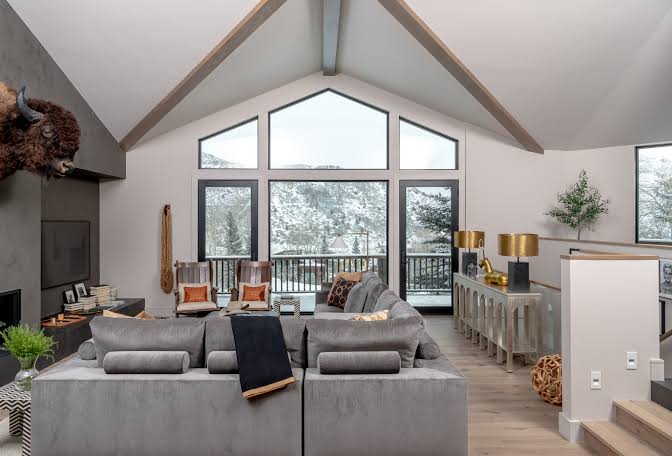
A home should do more than provide shelter. It should support the way people live, work, relax, entertain, and spend time with family. As lifestyles change, however, an existing property may no longer provide the space, comfort, storage, or functionality that homeowners need. Outdated layouts, worn finishes, insufficient lighting, inefficient storage, and aging fixtures can make even a well-maintained property feel less practical. A thoughtfully planned home remodel offers an opportunity to address these limitations while creating a living environment that feels more comfortable, attractive, and suited to everyday needs.Successful remodeling is not simply about choosing new colors, flooring, or fixtures. It involves understanding the existing structure, establishing realistic goals, planning a budget, selecting suitable materials, coordinating different stages of work, and making design decisions that remain useful over time. Whether the project involves updating one room or transforming several areas, careful preparation can make the process more organized and help homeowners avoid unnecessary complications.
Understanding the Purpose of a Remodeling Project
Every remodeling project begins with a reason. Some homeowners want to modernize an outdated interior, while others need additional functionality because their household has changed. A growing family may require more storage or flexible living areas, whereas homeowners preparing for the future may prioritize accessibility, easier maintenance, or improved circulation throughout the property.Identifying the primary purpose of the project is important because it establishes a foundation for later decisions. A kitchen renovation focused on cooking and entertaining will have different priorities from one designed mainly to improve storage. Similarly, a bathroom renovation intended to create a relaxing retreat may involve different materials and fixtures than a project focused on accessibility and practicality.Homeowners should therefore consider what currently works, what does not, and what they would like to change. Creating a list of priorities can prevent attractive but unnecessary features from consuming a disproportionate amount of the budget. It also provides a useful reference when design decisions become more complicated during the planning process.
Creating a Realistic Remodeling Budget
Budgeting is one of the most important aspects of a renovation. Remodeling costs can vary significantly depending on the size of the project, structural requirements, materials, labor, fixtures, finishes, and existing conditions. A detailed budget helps homeowners understand where money is likely to be spent and provides a framework for evaluating different options.It is useful to divide the budget into categories such as demolition, construction, electrical work, plumbing, cabinetry, flooring, lighting, fixtures, painting, appliances, and finishing details. This makes it easier to identify which areas have the greatest financial impact.A contingency amount should also be considered. Existing properties can contain conditions that are not visible before walls, floors, or cabinets are opened. Unexpected wiring, plumbing problems, moisture damage, or structural concerns can affect the scope of work. Having funds reserved for unforeseen issues can reduce stress when surprises arise.A good budget is not necessarily the one with the lowest initial estimate. The quality, durability, maintenance requirements, and expected lifespan of materials should also be considered. Choosing an inexpensive material that needs frequent replacement may ultimately cost more than investing in a durable option from the beginning.
Planning the Layout Before Choosing Finishes
A beautiful remodeling project can still be disappointing if the layout does not function well. Before choosing colors, countertops, flooring, or decorative features, homeowners should consider how people move through the space and how each area will actually be used.In a kitchen, for example, the locations of cooking surfaces, sinks, refrigerators, storage, and preparation areas should support efficient movement. In a bathroom, the arrangement of fixtures should provide adequate clearance and convenient access. In living areas, furniture placement, pathways, lighting, and sightlines can influence whether the room feels comfortable or crowded.Changing the layout may also require moving plumbing, electrical wiring, walls, or ventilation systems. These changes can significantly affect both cost and schedule, so they should be considered early rather than after decorative selections have already been finalized.Good planning focuses on the relationship between individual rooms as well. An isolated renovation can sometimes create an awkward transition between newly updated spaces and untouched areas. Considering the overall flow of the property helps create a more cohesive result.
Choosing Materials That Balance Style and Durability
Material selection has a major influence on both appearance and long-term performance. Homeowners naturally want finishes that look attractive, but practical considerations should receive equal attention. Floors, countertops, cabinets, wall surfaces, doors, and fixtures are exposed to different levels of wear depending on where they are installed.High-traffic areas generally benefit from durable materials that can withstand frequent use and regular cleaning. Kitchens and bathrooms require materials that can handle moisture and spills, while entryways may need flooring that tolerates dirt and heavy foot traffic.Maintenance should also be considered. Some surfaces require specialized cleaning or periodic refinishing, while others are designed for easier everyday care. A material that looks beautiful but demands more maintenance than the homeowner is willing to provide may not be the best practical choice.Samples are valuable because colors and textures can look very different under different lighting conditions. Viewing materials in the actual space, rather than relying solely on photographs or showroom displays, can help homeowners make more informed choices.
Modernizing the Kitchen
The kitchen is often one of the most important areas in a remodeling project because it combines cooking, storage, dining, and social activity. An effective kitchen renovation should address both appearance and functionality.Storage is particularly important. Deep cabinets, drawers, pantry systems, pull-out organizers, and carefully planned shelving can help maximize available space. The placement of storage should correspond to how the kitchen is used so that frequently needed items remain easy to reach.Counter space also affects usability. Adequate preparation areas can make cooking more comfortable, while thoughtful placement of appliances can reduce unnecessary movement. Lighting should combine general illumination with task lighting in areas where food is prepared or cleaned.Cabinet style, hardware, backsplash materials, countertops, and flooring can then be selected to establish the desired visual character. Coordinating these elements creates a unified appearance without requiring every component to match perfectly.
Improving Bathrooms for Comfort and Function
Bathrooms often benefit from remodeling because relatively small design changes can have a significant effect on daily comfort. Replacing outdated fixtures, improving storage, updating lighting, and selecting more practical surfaces can transform the space.Storage should be planned according to actual needs. Vanity drawers, recessed shelving, medicine cabinets, and wall-mounted storage can provide useful capacity without unnecessarily reducing floor space. Good ventilation is also essential because bathrooms experience frequent exposure to moisture.Fixture selection should balance appearance with usability. Faucets, shower systems, toilets, sinks, and bathtubs are available in many styles, but compatibility, installation requirements, maintenance, and water use should also be considered.Lighting deserves particular attention. A single overhead fixture may not provide sufficient illumination for tasks such as grooming. Combining ambient lighting with well-positioned task lighting can make the room more practical while also creating a more comfortable atmosphere.
Creating Better Living Spaces
Living rooms, dining areas, and family rooms often serve multiple purposes. A successful remodeling project can make these spaces more adaptable without sacrificing comfort.Built-in storage can help reduce clutter while creating a polished appearance. Shelving, cabinets, benches, and concealed storage can provide practical places for books, electronics, games, and household items.Lighting can also change how a room feels. Layered lighting that combines ceiling fixtures, wall lighting, task lamps, and accent illumination allows homeowners to adjust the atmosphere for different activities. Natural light should also be considered when planning furniture and window treatments.Furniture placement should encourage comfortable movement and conversation. A room may appear spacious when empty but feel crowded after furniture is installed, so circulation should be considered during the design phase rather than afterward.
Considering Energy Efficiency
A remodeling project can provide an opportunity to improve energy performance. Depending on the property’s condition and the scope of work, improvements may include insulation, efficient windows, updated lighting, improved ventilation, energy-efficient appliances, or upgraded heating and cooling equipment.Lighting is often a straightforward area for improvement. Efficient fixtures can reduce energy consumption while providing better illumination. Controls such as dimmers and occupancy sensors can also help match lighting levels to actual use.Windows and doors can influence indoor comfort by affecting heat transfer and air leakage. When these elements are being replaced, selecting products with appropriate performance characteristics can contribute to a more comfortable interior.Energy improvements should be evaluated according to the property and the homeowner’s goals. Not every upgrade will provide the same benefit, so prioritizing measures that address the building’s specific weaknesses can produce a more meaningful result.
Working With the Right Remodeling Professionals
Choosing qualified professionals is one of the most important decisions homeowners make during a renovation. Contractors, designers, electricians, plumbers, and other specialists may all contribute to a larger project, and their work needs to be coordinated carefully.Homeowners should look for professionals who communicate clearly, provide detailed proposals, understand the scope of work, and can explain the sequence of construction. Written documentation is valuable because it establishes expectations regarding materials, labor, timelines, payment arrangements, and changes.References and examples of previous work can also help homeowners evaluate whether a professional’s experience aligns with the project’s requirements. It is important to verify applicable licensing, insurance, and other requirements before work begins.Communication should continue throughout the project. Questions and changes are inevitable in many renovations, but clear communication can reduce misunderstandings and help ensure that decisions are documented before additional work is performed.
Preparing for the Construction Process
Living through a renovation can be challenging, especially when kitchens, bathrooms, bedrooms, or other frequently used spaces are affected. Before construction begins, homeowners should consider how the project will affect daily routines.Dust, noise, temporary loss of utilities, restricted access, and material deliveries can all influence household life. Establishing a temporary kitchen, protecting furniture, relocating valuable items, and creating a clear separation between work areas and occupied areas can make the process more manageable.The construction schedule should also be discussed in advance. Although unexpected conditions can affect timelines, homeowners should understand the general sequence of work and which stages depend on others. Structural work, rough plumbing and electrical installations, inspections, insulation, drywall, flooring, cabinetry, fixtures, and final finishing typically need to be coordinated in an appropriate order.Being prepared for some disruption can make the renovation experience less stressful and allow homeowners to focus on the long-term benefits of the project.
Avoiding Common Remodeling Mistakes
One common mistake is beginning construction without sufficiently detailed planning. Decisions that seem minor individually can have significant effects when combined. Changing a fixture after plumbing has already been installed, for example, may require additional labor and materials.Another common mistake is concentrating entirely on appearance while overlooking functionality. Trendy finishes can make a room look impressive, but a beautiful space that lacks storage, adequate lighting, comfortable circulation, or practical surfaces may become frustrating to use.Ignoring the existing structure can also create problems. Before removing walls or changing layouts, homeowners should understand whether structural, plumbing, electrical, or mechanical systems are involved. A professional evaluation can help identify limitations before construction begins.It is also important not to underestimate the value of quality installation. Even premium materials can perform poorly if they are installed incorrectly. Good workmanship is an essential part of the final result.
Making the Remodeling Investment Work Long Term
A successful home remodel should provide benefits beyond its initial visual impact. The best renovations consider how spaces will be used several years from now and select materials and layouts that can continue to serve changing needs.Timeless design does not mean creating a boring space. It means establishing a strong foundation with durable materials and functional layouts while using easily changed elements such as paint, accessories, artwork, and textiles to introduce current trends.Flexibility can also increase the usefulness of a room. A spare bedroom might function as an office, guest room, study, or hobby area. A large living space might accommodate different furniture arrangements as household needs change.Maintenance should also be considered during design. Easy-to-clean surfaces, accessible equipment, durable finishes, and practical storage can reduce the amount of effort required to keep the remodeled space looking and functioning well.
Creating a More Personalized Home
One of the greatest advantages of remodeling is the ability to create a property that reflects the people who live there. Instead of adapting daily routines to an outdated layout, homeowners can design spaces around their actual habits and priorities.Personalization can involve anything from color palettes and architectural details to storage systems, lighting arrangements, entertainment areas, workspaces, and outdoor connections. The goal is not necessarily to follow every current design trend but to create an environment that feels natural and useful.Thoughtful personalization can also make ordinary routines more enjoyable. A well-designed kitchen can make meal preparation easier, an organized entryway can reduce daily clutter, and a comfortable living area can encourage more time spent together.
Conclusion
A remodeling project is an opportunity to improve the way a home looks, functions, and supports everyday life. The most successful projects begin with clear goals and continue through careful budgeting, thoughtful layout planning, suitable material selection, professional workmanship, and realistic expectations about construction.A well-planned home remodel can address outdated spaces while introducing practical improvements that remain valuable for years. Whether the project focuses on a kitchen, bathroom, living area, bedroom, or several rooms at once, the emphasis should remain on creating spaces that balance aesthetics, comfort, durability, and functionality.Homeowners can make the process more successful by identifying their priorities before construction begins, allowing room for unexpected expenses, researching materials carefully, and communicating clearly with the professionals involved. It is equally important to consider long-term maintenance rather than focusing exclusively on the immediate appearance of the finished project.Ultimately, remodeling is about creating a home that works better for the people who use it. With thoughtful planning and attention to detail, an outdated or inefficient property can become a comfortable, attractive, and highly functional living environment. The result is not simply a collection of new finishes but a space designed around real needs, practical routines, and long-term enjoyment.

