

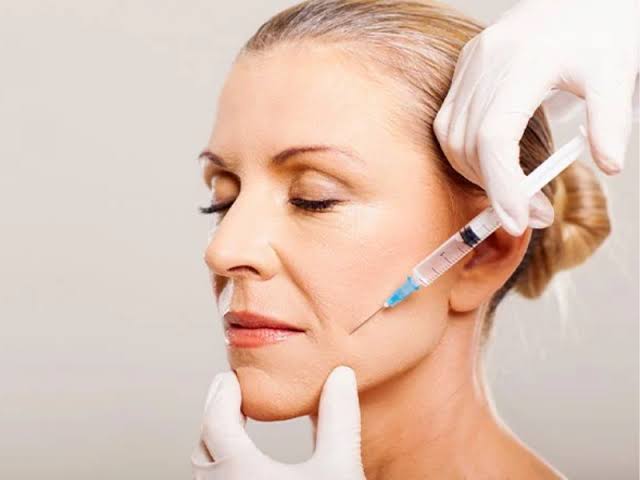
Dermal fillers have become a widely discussed option in modern aesthetic care because they can help restore facial volume, soften the appearance of certain lines, and enhance selected facial features without surgical procedures. As people learn more about non-surgical cosmetic treatments, interest in fillers continues to grow. However, achieving natural-looking results depends on much more than selecting a product. A thorough consultation, appropriate product selection, accurate injection technique, realistic expectations, and qualified medical supervision are all important parts of the process.Dermal fillers are injectable substances placed beneath the skin to add volume or modify contours. Different products have different properties, and they may be used for different areas of the face. Some are designed to create subtle volume, while others provide structural support or enhance specific contours. Because facial anatomy is complex, treatment should be personalized rather than approached as a one-size-fits-all procedure.Anyone considering fillers should understand what the treatment can and cannot accomplish, how different products work, what recovery may involve, and what potential risks should be discussed with a qualified healthcare professional.
What Are Dermal Fillers?
Dermal fillers are injectable materials used to restore or add volume beneath the skin. They can be used to address certain signs associated with aging or to enhance facial proportions. Depending on the product and treatment area, fillers may soften the appearance of facial folds, improve the appearance of volume loss, enhance lips, or add definition to selected facial contours.One of the most commonly used filler materials is hyaluronic acid, a substance that naturally occurs in the body. Hyaluronic acid fillers are available in formulations with different characteristics, allowing healthcare professionals to select products based on the desired treatment area and outcome.Other filler materials include calcium hydroxylapatite and poly-L-lactic acid. These products have different mechanisms and characteristics, so they are not interchangeable. The appropriate choice depends on the individual’s anatomy, goals, medical history, and the area being treated.
How Fillers Work
The way a filler works depends on the material used. Some products primarily provide immediate volume beneath the skin. Others may stimulate the body’s natural collagen production over time, creating a gradual change in appearance.Hyaluronic acid fillers attract and hold water, which contributes to their volumizing effect. Different formulations can be designed to have varying degrees of firmness and flexibility. A softer formulation may be more appropriate for certain delicate areas, while a firmer product may be selected where additional structural support is desired.Some collagen-stimulating fillers work differently. Instead of simply adding volume, they encourage biological processes that can gradually improve fullness and skin appearance. Because results develop differently depending on the product, patients should discuss expected timing with their healthcare provider before treatment.
Common Areas Treated With Fillers
Fillers can be used in several areas of the face, although the appropriate applications depend on the specific product and the expertise of the injector. Lips are one of the most familiar treatment areas, where fillers may be used to add volume, improve symmetry, or define the lip border.Cheek treatment may be used to restore volume that has decreased over time or to enhance facial contours. Fillers may also be used in certain areas around the mouth, chin, and jawline when appropriate.Some patients seek treatment for under-eye hollows, but this is a particularly delicate area and requires careful assessment. Not every person is a suitable candidate for filler in this region, and alternative approaches may sometimes be more appropriate.The goal should generally be to create balanced results rather than simply adding as much volume as possible. Facial proportions, existing features, skin quality, and individual anatomy should all be considered during treatment planning.
The Importance of a Professional Consultation
A consultation is an important part of any injectable treatment. During the appointment, a qualified medical professional can review the patient’s goals, medical history, allergies, medications, previous cosmetic procedures, and relevant health considerations.
The provider should examine the face and discuss which treatment areas may be appropriate. They should also explain the expected benefits, limitations, possible side effects, recovery requirements, and potential complications.A good consultation is not simply an opportunity to choose how much filler to inject. It is a chance to determine whether the proposed treatment is appropriate in the first place. In some situations, another cosmetic procedure or no treatment may be more suitable for the patient’s goals.Patients should feel comfortable asking questions about the product, the provider’s qualifications, the injection technique, expected results, and what will happen if a complication occurs.
Choosing a Qualified Provider
The skill and training of the injector are among the most important considerations when receiving dermal fillers. Facial injection involves detailed knowledge of anatomy because blood vessels, nerves, muscles, and other structures are located throughout the treatment areas.
Patients should seek treatment from an appropriately qualified healthcare professional who has specific training and experience in injectable aesthetic procedures. A provider should also understand how to recognize and manage complications.Consumers should be cautious about choosing a provider solely because of a discounted price. Extremely low-cost treatment may involve unknown products, inadequate training, inappropriate settings, or insufficient medical support.The treatment environment should be professional, clean, and suitable for medical procedures. Patients should also be able to verify what product is being used and receive information about the treatment afterward.
Preparing for Treatment
Preparation requirements can vary depending on the patient and the product being used. During the consultation, the provider may discuss medications, supplements, allergies, previous reactions, and any conditions that could affect treatment.Patients should provide complete and accurate medical information. Certain medications or supplements can influence bruising or bleeding, so these should be discussed with the healthcare provider rather than stopped independently.The provider may also recommend avoiding certain activities or products before treatment. Following personalized instructions can help reduce the likelihood of unnecessary side effects and make the recovery process more predictable.Patients should arrive with clean skin and avoid applying products that the provider has specifically instructed them to avoid. The exact preparation routine should come from the treating professional.
What Happens During a Filler Treatment?
During treatment, the provider typically cleanses the area and may use a topical anesthetic or another comfort measure depending on the treatment site and product. The filler is then injected into carefully selected areas using a needle or cannula, depending on the technique chosen by the provider.The amount of product used depends on the treatment goal and the individual’s anatomy. A skilled injector generally focuses on achieving appropriate proportions rather than automatically using a predetermined amount.The provider may assess the area throughout the procedure to determine how the filler is affecting the contours. Treatment time can vary depending on the number of areas being addressed.Patients may experience temporary sensations such as pressure, pinching, or mild discomfort. Some fillers also contain a local anesthetic ingredient, which may help improve comfort during the procedure.
What Results Can Be Expected?
Results depend on the type of filler, the treatment area, the amount used, and the individual’s response. Some fillers provide visible changes shortly after injection, while other treatments develop gradually.Swelling can temporarily make the treated area appear fuller than the eventual result. As the initial swelling decreases, the appearance may change over the following days. Patients should therefore avoid judging the final outcome immediately after treatment.
The goal of a well-planned treatment is usually a natural and proportionate result. The appropriate amount of filler differs from person to person, and adding excessive product may create an appearance that does not match the patient’s intended outcome.Patients should discuss realistic expectations with their provider before treatment and understand that fillers cannot replicate every result achievable through surgery or other procedures.
Common Temporary Side Effects
Temporary side effects can occur after injections. Common reactions may include redness, swelling, tenderness, bruising, itching, or sensitivity around the injection sites.
These effects often improve as the treated area heals, but the duration can vary. Some individuals may experience more noticeable swelling or bruising than others.
Following the provider’s aftercare instructions can help support recovery. Patients should contact their healthcare provider if they experience symptoms that are severe, unusual, worsening, or inconsistent with the expected recovery pattern.It is important not to assume that every post-treatment symptom is harmless. Although many reactions are temporary, certain complications require prompt medical evaluation.
Understanding Potential Complications
Like any medical procedure, dermal filler injections carry risks. Serious complications are uncommon, but they can occur, particularly if filler unintentionally enters or compresses a blood vessel.Vascular complications can potentially cause tissue injury and require urgent treatment. Symptoms that may indicate a serious complication can include unusual or severe pain, significant skin color changes, coolness of the treated area, or visual disturbances. Anyone experiencing symptoms after an injection should seek urgent medical attention rather than waiting for the symptoms to resolve.Other possible complications can include infection, inflammatory reactions, lumps, asymmetry, delayed swelling, or persistent irregularities. The likelihood and nature of these risks vary depending on the product and treatment area.
The best way to reduce risk is to have treatment performed by an appropriately qualified provider who understands facial anatomy, uses appropriate products, follows safe injection practices, and has a plan for managing complications.
Aftercare and Recovery
After treatment, the provider may give specific instructions about physical activity, skin products, makeup, heat exposure, pressure on the treated area, and other activities. These recommendations can vary according to the product and treatment site.Patients should avoid unnecessarily manipulating or massaging the treated area unless their healthcare provider specifically recommends it. Excessive pressure can potentially affect the placement of the product.Swelling and bruising may be more noticeable during the first part of recovery. Patients may choose to schedule treatment when they have sufficient time for initial swelling or bruising to settle before important events.The provider should explain when normal activities can be resumed and when a follow-up appointment may be appropriate.
How Long Do Fillers Last?
The longevity of filler results varies significantly. Product type, treatment area, injection technique, metabolism, amount used, and individual factors can all influence duration.
Areas with frequent movement may process or break down certain fillers differently from areas with less movement. Some products are designed to provide longer-lasting structural support, while others are selected for temporary and subtle changes.Patients should avoid assuming that a particular filler will last for exactly the same amount of time in every person. The provider can offer a more individualized expectation based on the product and treatment plan.Maintenance treatments may be considered when the effects gradually diminish, but the timing should be determined with the healthcare professional rather than following a rigid schedule.
Choosing the Appropriate Product
There is no single filler that is ideal for every facial area or every patient. Products differ in firmness, flexibility, longevity, texture, and mechanism of action.A provider may select a softer product for a delicate area and a more structured product where additional support is needed. Some products may be better suited to restoring volume, while others may be intended to encourage gradual collagen production.Patients should ask what product is being recommended and why. Understanding the reasoning behind the choice can help establish realistic expectations and allow the patient to make an informed decision.
Natural-Looking Results and Facial Balance
A successful filler treatment is not necessarily one that creates the most noticeable change. Many patients prefer subtle improvements that preserve their existing facial characteristics.
Facial balance is influenced by the relationship between different areas, including the cheeks, lips, chin, jawline, and surrounding structures. Changing one area can affect the visual relationship with another, which is why an experienced provider considers the face as a whole.
Overcorrection can make results appear less natural and may create unwanted changes in facial proportions. Conservative treatment followed by reassessment can sometimes be preferable to attempting to achieve a large transformation in one appointment.
When Fillers May Not Be Appropriate
Not everyone is a suitable candidate for dermal fillers. The provider may recommend delaying or avoiding treatment based on certain medical conditions, active skin infections, allergies, previous reactions, medications, pregnancy considerations, or other individual circumstances.
Patients should provide a complete medical history and discuss previous cosmetic treatments. They should also disclose any history of complications from injectable procedures.
A responsible provider will evaluate whether treatment is appropriate instead of assuming that every patient should receive filler. In some cases, improving skin quality, addressing an underlying medical issue, or considering another treatment may better match the individual’s needs.
Maintaining Results Over Time
Maintaining healthy skin can complement the appearance of cosmetic treatments. A consistent skincare routine, appropriate sun protection, adequate hydration, and healthy lifestyle habits can support overall skin condition.However, skincare cannot permanently preserve the effects of a filler treatment. As the body gradually processes the product, the treated area may return toward its previous appearance. Patients who want to maintain results can discuss future treatment with their provider.It is generally preferable to evaluate the existing result before deciding whether additional product is needed. Adding filler too frequently or without reassessment can lead to excessive volume.
Making an Informed Treatment Decision
Anyone considering dermal fillers should approach the decision with realistic expectations and a clear understanding of both benefits and risks. Cosmetic injections are medical procedures, even when they are performed quickly and without surgery.Researching the provider’s qualifications, asking about the exact product, understanding possible complications, and discussing aftercare can help patients make informed choices. It is also useful to understand that individual results vary and that no provider can guarantee a particular aesthetic outcome.The objective should be a treatment plan that considers safety, facial anatomy, personal goals, and long-term expectations rather than simply focusing on the amount of product used.
Final Thoughts on Dermal Fillers
Dermal fillers can provide temporary changes in facial volume and contour when they are appropriately selected and administered by a qualified professional. Their applications can include enhancing certain facial features, addressing selected areas of volume loss, and creating subtle improvements in overall facial balance.The treatment process involves much more than the injection itself. Proper consultation, product selection, anatomical knowledge, sterile technique, accurate placement, aftercare, and appropriate follow-up all contribute to the overall experience and safety swelling and bruising are relatively common, serious complications can occur and require prompt medical attention. Choosing an experienced provider and following personalized medical, individualized results. The most important consideration is not simply achieving a visible change but ensuring that the treatment of the procedure.Patients considering fillers should take time to understand their options and discuss their goals honestly with a qualified healthcare professional. While temporary swelling and bruising are relatively common, serious complications can occur and require prompt medical attention. Choosing an experienced provider and following personalized medical advice are therefore essential.With careful planning and appropriate expectations, filler treatments can be incorporated into a broader aesthetic approach that focuses on balanced, individualized results. The most important consideration is not simply achieving a visible change but ensuring that the treatment is appropriate for the individual and performed using safe, evidence-informed medical practices.

