

If you’ve noticed that one zone in your home continues to receive heat from your HVAC system even when its thermostat is turned off, you’re not alone. This issue can be both confusing and frustrating, especially when you’re trying to maintain comfort and control energy costs. Understanding why this happens requires a closer look at how zoned HVAC systems work, what can go wrong, and what steps you can take to resolve the problem. By identifying the root causes, you can restore proper temperature control and ensure your system operates efficiently.
What to Expect in This Guide
How Zoned HVAC Systems Work
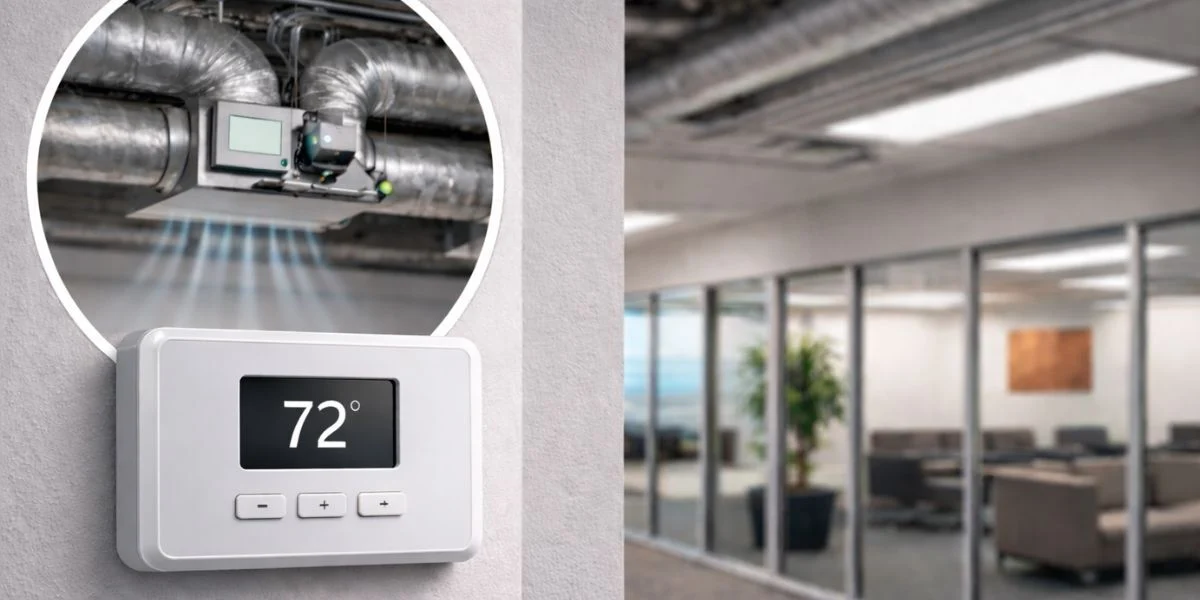
Zoned HVAC systems are designed to provide customized heating and cooling to different areas, or zones, within a building. Each zone typically has its own thermostat, allowing occupants to set different temperatures for various rooms or sections of the house. This setup is achieved through the use of motorized dampers installed in the ductwork, which open and close to direct airflow only to the zones that require it. When a thermostat in a particular zone calls for heat, the damper for that zone opens, and the HVAC system delivers warm air accordingly. When the thermostat is off or set to a temperature below the current room temperature, the damper should remain closed, preventing heated air from entering that zone. However, if you find that a zone is still being heated despite its thermostat being off, it suggests that something in this system is not functioning as intended. Understanding the mechanics of zoned systems is the first step toward diagnosing and fixing the issue.
Common Causes of Unwanted Heating in One Zone
One of the most frequent reasons a zone continues to receive heat is a malfunctioning damper. Dampers are mechanical devices that regulate airflow within the ductwork, and if they become stuck in the open position, heated air will flow into the zone regardless of the thermostat setting. This can happen due to mechanical failure, electrical issues, or even debris obstructing the damper’s movement. Another possible cause is improper installation or calibration of the zoning controls, which can result in the system not responding correctly to thermostat commands. In some cases, the thermostat itself may be faulty, sending incorrect signals to the control board or dampers. Additionally, air pressure imbalances within the ductwork can force heated air into unintended zones, especially if the system is not properly balanced or if there are leaks in the ducts. Homeowners may also encounter issues if the HVAC system is oversized or if the zoning design does not match the home’s layout, leading to uneven heating and persistent comfort problems.
Diagnosing the Problem
To accurately diagnose why your HVAC system is heating a zone with the thermostat off, it’s important to systematically check each component involved in the zoning process. Start by observing whether the damper for the affected zone is opening and closing as it should when you adjust the thermostat. If the damper remains open, it may need to be repaired or replaced. Next, check the thermostat’s wiring and settings to ensure it is communicating properly with the control panel. Sometimes, a simple reset or recalibration can resolve the issue. If the problem persists, inspect the ductwork for leaks or blockages that could be causing air to bypass the dampers. In rare cases, the control board that manages the zoning system may be malfunctioning, requiring professional attention. For more information on troubleshooting and resolving HVAC zoning issues, Click here for additional resources and guidance.
The Role of Airflow and Pressure
Airflow and pressure imbalances within your HVAC system can significantly impact how heat is distributed throughout your home. When the system is running, air is pushed through the ducts under pressure, and if there are leaks, gaps, or poorly sealed connections, heated air can escape into unintended zones. This is especially problematic in older homes or systems that have not been properly maintained. Additionally, if the return air pathways are blocked or undersized, the system may struggle to maintain balanced airflow, causing some zones to receive more heat than others. Addressing these issues often involves sealing ductwork, ensuring proper damper operation, and sometimes redesigning parts of the system to improve overall balance. Regular maintenance and inspection can help prevent these problems from developing and ensure your zoned HVAC system operates as intended.
When to Seek Professional Help
If you have checked the obvious causes and your HVAC system continues to heat a zone with the thermostat off, it may be time to consult a professional. Persistent issues can indicate deeper problems with the zoning controls, dampers, or even the HVAC unit itself. A qualified technician can perform a thorough inspection, test the electrical components, and identify any underlying issues that may not be immediately apparent. Attempting to fix complex zoning problems without the proper knowledge and tools can sometimes make the situation worse or even damage your system. Professional service ensures that repairs are done safely and effectively, restoring comfort and efficiency to your home.
Preventing Future Zoning Issues
Regular maintenance is key to preventing unwanted heating in one zone of your home. Scheduling annual inspections allows technicians to check the condition of dampers, thermostats, and ductwork, catching potential problems before they lead to uneven heating. Keeping filters clean and ensuring that vents and returns are unobstructed also helps maintain proper airflow and system balance. If you are considering upgrading or expanding your HVAC system, make sure the zoning design is tailored to your home’s layout and heating needs. Proper installation and calibration from the start can save you from headaches down the road and help you enjoy the full benefits of a zoned HVAC system.
Quick Fixes You Can Try
If you notice that one zone is being heated even when its thermostat is off, there are a few simple steps you can take before calling for professional help. First, check that the thermostat is set correctly and has working batteries. Next, inspect the vents in the affected zone to ensure they are not stuck open. You can also try resetting the HVAC system by turning it off at the breaker for a few minutes and then turning it back on. These quick checks may resolve minor issues and restore proper temperature control.
Conclusion
Dealing with an HVAC system that heats one zone even when its thermostat is off can be a frustrating experience, but understanding the underlying causes can help you address the problem effectively. Issues with dampers, thermostats, ductwork, or zoning controls are often to blame, and a systematic approach to diagnosis can pinpoint the source of the trouble. Regular maintenance and prompt attention to any irregularities will help keep your system running smoothly and your home comfortable. If simple troubleshooting steps do not resolve the issue, seeking professional assistance is the best way to ensure your HVAC system operates efficiently and provides the comfort you expect in every zone of your home.

