

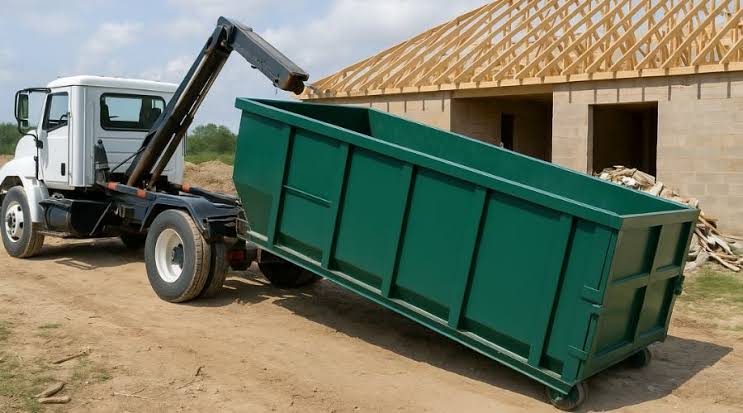
When tackling a project that generates heavy debris, such as a home renovation, construction job, or major cleanout, choosing the right dumpster solution is crucial for efficiency and cost-effectiveness. The decision often comes down to whether to rent one large dumpster or opt for two smaller loads. Each approach has its own set of advantages and challenges, especially when dealing with dense materials like concrete, brick, or roofing shingles. Understanding the implications of each option can help you avoid unnecessary expenses, logistical headaches, and potential safety issues. Making an informed choice ensures your project runs smoothly from start to finish.
Comparing dumpster options for heavy debris
Understanding Dumpster Sizes and Weight Limits
Selecting the appropriate dumpster size is not just about volume; weight limits play a significant role, especially with heavy debris. Dumpsters are typically available in a range of sizes, from 10-yard containers suitable for small projects to 40-yard bins designed for large-scale jobs. However, the weight of the debris you plan to dispose of can quickly fill up the allowable tonnage, even if the dumpster is not physically full. For example, materials like concrete and dirt are extremely dense, and a large dumpster filled with such debris can easily exceed legal hauling limits. Overloading a dumpster can result in additional fees, delays, or even refusal of pickup by the rental company. Therefore, understanding both the volume and weight restrictions of each dumpster size is essential before making a decision.
The Case for One Large Dumpster
Opting for a single large dumpster may seem like the most straightforward solution for heavy debris removal. With one container on site, you have the convenience of a central disposal location, reducing the need to coordinate multiple drop-offs and pickups. This can be particularly advantageous on job sites with limited space or tight schedules, as it minimizes interruptions and keeps the workflow steady. However, the main challenge with a large dumpster is the risk of exceeding weight limits, especially with dense materials. Rental companies often set strict tonnage caps, and surpassing these can lead to significant overage charges. Additionally, maneuvering a large, heavy dumpster on certain properties can cause damage to driveways or landscaping. For projects generating a mix of heavy and light debris, a large dumpster offers flexibility, but for exclusively heavy materials, careful monitoring of weight is essential to avoid complications.
Why Two Smaller Loads Might Be Better
For many heavy debris projects, using two smaller dumpsters or scheduling two separate loads can offer distinct advantages. Smaller dumpsters typically have lower weight limits, but they are designed to accommodate dense materials without exceeding legal hauling capacities. By splitting the load, you reduce the risk of overfilling a single container and incurring extra fees. This approach also allows for more precise sorting of materials, which can be beneficial if you need to separate recyclables from landfill waste. Additionally, two smaller dumpsters can be easier to position on a property, minimizing the risk of surface damage and making access more convenient for workers. If your project is spread out over time or across different areas, having multiple containers can streamline the workflow and prevent bottlenecks. For those looking to explore the options between one large dumpster and two smaller loads, considering the nature and distribution of your debris is key to making the right choice.
Cost Considerations for Heavy Debris Removal
The financial aspect of dumpster rental is a major factor in deciding between one large dumpster and two smaller loads. Rental companies typically charge based on the size of the dumpster, the weight of the debris, and the duration of the rental. With heavy debris, weight overages can quickly inflate costs, sometimes surpassing the base rental fee itself. One large dumpster may appear more economical at first glance, but if you exceed the weight limit, the additional charges can be substantial. On the other hand, two smaller dumpsters may have higher combined base fees, but they often come with more manageable weight allowances, reducing the likelihood of overage penalties. It is important to request detailed pricing information from your rental provider, including all potential fees, to accurately compare the total cost of each option. Factoring in transportation, labor, and potential site damage can further clarify which approach aligns with your budget and project needs.
Logistics and Site Management
Managing the logistics of debris removal is just as important as cost and capacity. A single large dumpster requires sufficient space for delivery, placement, and pickup, which can be challenging on smaller or urban properties. The weight of a fully loaded large dumpster can also pose risks to driveways, sidewalks, and underground utilities. In contrast, two smaller dumpsters offer greater flexibility in placement, allowing you to position them closer to the work area or in locations that minimize disruption. This can improve efficiency by reducing the distance workers need to carry debris. Additionally, scheduling two pickups instead of one can help maintain a cleaner and safer job site, as full dumpsters can be swapped out promptly, preventing overflow and hazards. Effective site management ensures that debris removal does not interfere with other aspects of the project, keeping everything on track and within compliance.
Environmental Impact and Recycling
When disposing of heavy debris, environmental considerations are increasingly important. Many materials commonly found in construction and demolition projects, such as concrete, metal, and asphalt, can be recycled rather than sent to a landfill. Using two smaller dumpsters can facilitate better sorting of recyclable and non-recyclable materials, making it easier to comply with local regulations and sustainability goals. Some rental companies offer dedicated containers for specific materials, which can further streamline the recycling process. By planning your debris removal strategy with environmental impact in mind, you not only contribute to resource conservation but may also benefit from reduced disposal fees for recyclable loads. Proper sorting and disposal practices help ensure that your project meets all legal requirements and supports broader efforts to reduce waste.
Quick Tips for Choosing the Right Option
When deciding between one large dumpster and two smaller loads, consider the type and amount of debris, available space on your property, and your project timeline. Consulting with your rental provider about weight limits and local regulations can help you avoid unexpected costs and logistical issues. Always prioritize safety and compliance to ensure a smooth debris removal process.
Conclusion
Choosing between one large dumpster and two smaller loads for heavy debris removal depends on several factors, including the type of materials, project size, site logistics, and budget. While a single large dumpster offers convenience and simplicity, it carries the risk of exceeding weight limits and incurring additional fees. Two smaller dumpsters provide greater flexibility, easier placement, and better opportunities for sorting and recycling, but may involve more coordination and potentially higher base rental costs. Carefully evaluating your specific needs and consulting with your rental provider can help you make an informed decision that keeps your project efficient, cost-effective, and environmentally responsible. By considering all aspects of debris removal, you can ensure a successful outcome for your renovation, construction, or cleanout project.

