

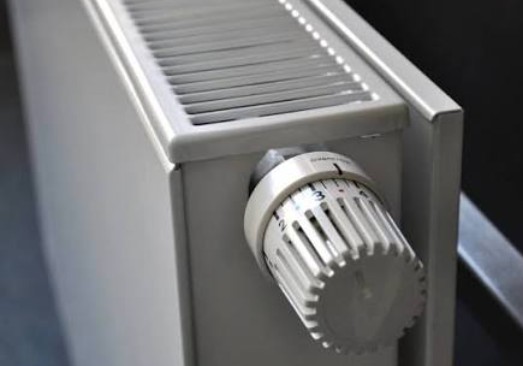
Many homeowners notice that their heating system seems to struggle most during the early morning hours, especially when trying to bring the house up to a comfortable temperature after a cold night. This can be frustrating, particularly on chilly mornings when you want your home to feel warm and inviting as soon as you wake up. Understanding why your heating system falls behind during this specific time can help you address the issue and ensure your home stays comfortable throughout the winter. Several factors contribute to this phenomenon, ranging from system design to environmental conditions.
What to Expect in This Article
The Science Behind Morning Heat Loss
During the night, your home loses heat steadily as outdoor temperatures drop and the heating system works to maintain a set temperature. Overnight, the difference between indoor and outdoor temperatures is often at its greatest, causing your home to lose heat more rapidly through walls, windows, and other surfaces. When the thermostat is set to a lower temperature overnight, the heating system runs less frequently, allowing the interior temperature to drop even further. As the sun rises and you adjust the thermostat to a higher setting, the heating system is suddenly tasked with raising the temperature by several degrees, often over a short period. This rapid demand for heat can overwhelm the system, especially if it is not sized correctly or if the home has significant heat loss issues. The result is a noticeable lag in reaching the desired temperature, making mornings feel colder than other times of the day.
System Sizing and Capacity Limitations
One of the most common reasons a heating system falls behind during the morning warm-up is that it may not be properly sized for the home. If the furnace or heat pump is too small, it will struggle to keep up with the increased demand for heat after a cold night. Even a system that works well during milder conditions can have difficulty when faced with the challenge of raising the temperature quickly in the morning. Additionally, older systems may have lost efficiency over time, further reducing their ability to respond to sudden temperature changes. Homeowners often overlook the importance of regular maintenance, which can lead to clogged filters, dirty burners, or other issues that reduce heating capacity. For those seeking to understand the technical aspects of this problem, you can find details about system sizing and performance by consulting with a reputable HVAC provider.
The Role of Thermostat Settings and Programming
Thermostat settings play a significant role in how your heating system performs during the morning hours. Many people use programmable thermostats to lower the temperature at night and raise it before waking up. While this can save energy, it also means the system must work harder to recover from the lower overnight temperature. If the recovery period is too short or the temperature difference is too great, the system may not be able to keep up, especially if it is already operating near its maximum capacity. Some thermostats have adaptive recovery features that learn how long it takes to heat your home and adjust the start time accordingly. However, if your thermostat is not set up correctly or lacks this feature, you may experience a delay in reaching your desired morning temperature. Ensuring your thermostat is programmed to allow enough time for the system to warm up the house can help alleviate this issue.
Insulation and Home Efficiency Factors
The efficiency of your home’s insulation and air sealing has a direct impact on how well your heating system can maintain comfortable temperatures, particularly during the morning warm-up. Poor insulation in walls, attics, or floors allows heat to escape more quickly, making it harder for the system to recover from overnight temperature drops. Drafty windows and doors can also contribute to significant heat loss, further increasing the workload on your heating equipment. Upgrading insulation, sealing air leaks, and installing energy-efficient windows can all help reduce heat loss and make it easier for your heating system to keep up with morning demands. These improvements not only enhance comfort but can also lower your energy bills by reducing the amount of work your heating system needs to do.
Short Paragraph: When to Seek Professional Help
If your heating system consistently falls behind in the morning despite proper maintenance and thermostat settings, it may be time to consult a professional. Persistent issues could indicate underlying problems such as aging equipment, ductwork leaks, or inadequate system sizing. A qualified technician can assess your system, identify any deficiencies, and recommend solutions to improve performance. Addressing these issues promptly can help restore comfort and efficiency to your home.
The Impact of Outdoor Weather Conditions
Outdoor weather conditions can have a significant effect on your heating system’s ability to keep up during the morning warm-up. Extremely cold nights put additional strain on your system, as the temperature difference between inside and outside increases heat loss. Windy conditions can exacerbate this effect by forcing cold air into the home through gaps and cracks, making it even harder for the heating system to recover in the morning. Sudden drops in temperature or prolonged cold spells can reveal weaknesses in your system that may not be apparent during milder weather. Monitoring weather patterns and being proactive about system maintenance can help you anticipate and address these challenges before they become major issues.
Conclusion
Understanding why your heating system falls behind during the morning warm-up involves considering a range of factors, from system sizing and thermostat programming to insulation and outdoor weather conditions. Each of these elements can contribute to the challenge of quickly raising your home’s temperature after a cold night. By addressing potential issues such as inadequate insulation, improper thermostat settings, or aging equipment, you can improve your system’s performance and enjoy a more comfortable home. Regular maintenance and timely upgrades are essential for ensuring your heating system operates efficiently, especially during the times when you need it most. Taking a proactive approach can help you avoid discomfort and ensure your home stays warm and inviting throughout the winter months.

