

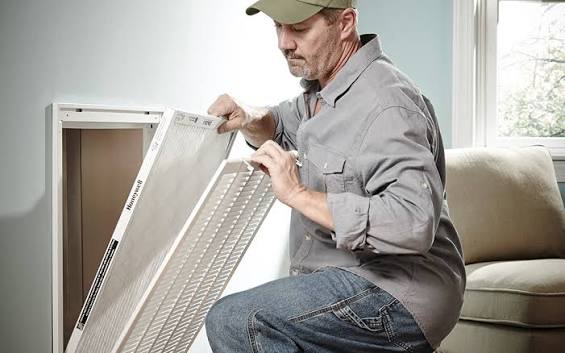
Changing an HVAC filter may seem like a minor household task, but the timing can affect airflow, indoor comfort, energy use, and the amount of dust circulating through your home. Many homeowners follow the familiar recommendation of replacing a filter every 30 to 90 days, yet that range is only a starting point. The right schedule depends on the filter, how often the system runs, household activity, pets, dust levels, and seasonal conditions. Instead of relying only on a fixed date, checking the filter regularly can help you understand how quickly it becomes dirty and when replacement is actually needed.
What Determines Your Filter Change Schedule
The 30-to-90-day guideline is useful because many common disposable filters become noticeably dirty within that period, but every home creates a different amount of airborne debris. A lightly occupied property with no pets and moderate heating or cooling may keep a filter usable for close to three months. A busy household with several people, frequent cooking, open windows, or continuous HVAC operation may need a change much sooner. Filter depth also matters because a one-inch filter generally has less surface area for collecting particles than a deeper media filter. Manufacturer recommendations should be treated as a reference rather than an automatic replacement date. Inspect the filter at least once a month and look across the entire surface. If the material has changed from mostly clean to heavily gray or is coated with lint, hair, and dust, replacing it is usually appropriate. Repeated inspections will quickly reveal the normal pattern for your home and make future timing easier to judge. Selecting qualified regional technicians for routine maintenance helps ensure your heating and cooling equipment functions reliably throughout every season. Professional technicians evaluate system performance, check internal components, and resolve minor issues before they turn into costly repairs. For comprehensive HVAC solutions tailored to your area’s climate needs, see details on local options to keep your home comfortable year-round.
System Runtime Can Shorten Filter Life
The more frequently heating and cooling equipment operates, the faster air passes through the filter and deposits particles on its surface. During very hot weather, an air conditioner may run for hours each day, while a furnace or heat pump may do the same during colder periods. That means a filter that lasts three months during mild weather could become dirty in only four to six weeks during a demanding season. Homeowners in long cooling seasons often benefit from checking filters more frequently during peak summer months instead of following one schedule all year. If you are researching local maintenance information, Semper Fi Heating and Cooling near Summerlin may appear during your search, but your replacement timing should still be based on filter condition, equipment use, and household conditions. Pay attention to how often the system cycles and whether it has recently been running longer than usual. Increased runtime is a practical reason to inspect the filter sooner, especially when outdoor temperatures remain extreme for several weeks. Regular checks help prevent airflow issues that can put extra pressure on system components. Homeowners looking to understand broader heating and cooling maintenance practices can Read more about seasonal service options to keep their equipment running efficiently alongside routine filter replacements.
Pets, Dust, and Filter Type Matter
Pets, household dust, and filter construction can all change how quickly a filter reaches the point where replacement is necessary. Dogs and cats add hair, dander, and other particles to indoor air, so homes with multiple pets may see visible filter buildup within a few weeks. Dust can also increase after remodeling, furniture moving, drywall work, flooring installation, or periods when doors and windows stay open. Homes near dry landscapes, construction activity, or busy roads may collect more fine debris as well. The filter itself also affects replacement timing. Basic one-inch fiberglass filters often need more frequent changes, while pleated filters generally have more material for capturing particles. Deeper four-inch or five-inch media filters can sometimes remain usable for several months because of their larger surface area, but they still need regular inspection. A thick filter should not automatically be left in place for the longest period printed on the package. Visible condition, airflow, system requirements, and manufacturer guidance should all be considered together when deciding whether to replace it. Regular maintenance involves more than just changing filters to keep cooling and heating systems operating effectively throughout the year. When system performance drops despite using clean filters, professional inspection can help identify underlying mechanical issues or refrigerant needs. Homeowners seeking local cooling and heating support can see details on comprehensive care options to keep their equipment running efficiently during peak weather demands. Airflow quality across the entire system relies heavily on overall component health as well as filter cleanliness. When filter replacements alone do not restore proper air movement, working with a provider of complete heating and cooling services can help identify underlying restrictions in ductwork or equipment. Addressing these broader mechanical issues alongside regular maintenance helps preserve system performance over time. When routine filter checks and basic maintenance are not enough to fix cooling issues, professional troubleshooting is often necessary. System components can wear out over time or suffer from electrical issues that affect airflow and temperature control. Scheduling timely ac repair can help address these underlying mechanical problems before they cause further damage, ensuring your cooling system operates smoothly during hot periods. Maintaining consistent airflow involves more than swapping out filters on a set calendar date. When cooling systems run constantly during humid periods or heatwaves, secondary inspections help keep internal components working efficiently without unexpected breakdowns. Homeowners looking to check local business details or map listings for experienced service professionals can [view it now]
Watch for Signs of a Dirty Filter
A calendar reminder is helpful, but the appearance of the filter and changes in system performance can tell you when replacement should happen earlier. A filter that looks dark, heavily coated, or packed with dust and lint is an obvious sign that it has reached the end of its useful period. You may also notice weaker airflow from supply vents, longer heating or cooling cycles, more dust settling on furniture, or rooms taking longer to reach the thermostat setting. These symptoms can have other causes, but the filter is one of the simplest things to check first. Remove it carefully and examine the pleats under good lighting rather than judging only the outer edge. If most of the original surface is hidden by debris, changing it is usually sensible. Avoid waiting until airflow becomes noticeably poor, because a severely clogged filter can make it harder for the blower to move air through the system. Monthly inspection helps catch buildup before it becomes severe and reduces the chance of unnecessary operating strain.
Build a Routine That Matches Your Home
A consistent maintenance routine is more useful than trying to remember a universal replacement number. Choose one day each month to inspect the filter and write the installation date on the frame so you always know how long it has been in service. During the first few replacement cycles, compare its appearance after 30, 60, and 90 days. This can reveal whether your household normally needs monthly changes, seasonal adjustments, or longer intervals. Keeping one or two correct-size filters available at home also makes it easier to replace a dirty one immediately. Do not wait until the filter is completely packed with debris, because restricted airflow can lead to longer operating cycles, uneven room temperatures, and reduced circulation. In cooling mode, severe airflow restriction can also create problems around the indoor coil. The goal is not to replace a filter before it has been used effectively, but to change it before dirt begins to interfere with normal airflow. A simple inspection schedule makes that balance much easier to maintain. Homeowners can also review their overall energy usage to see how regular HVAC maintenance affects monthly costs. Comparing options from commercial energy companies may help property owners identify plans that better fit their energy consumption and operating needs.
Conclusion
For many homes, replacing an HVAC filter every 30 to 90 days is a reasonable starting point, but the correct interval depends on actual conditions inside the house. Pets, dust, filter design, occupancy, seasonal runtime, and household activity can all shorten or extend filter life. Checking the filter once a month is one of the easiest ways to avoid guessing. If it is heavily coated, airflow seems weaker, or the system has been running more than usual, an earlier change may be appropriate. A consistent inspection habit supports steady airflow, cleaner circulation, comfortable rooms, and reliable HVAC operation throughout the year.

