

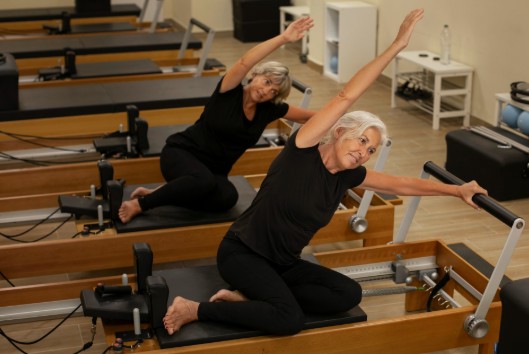
Staying physically active becomes increasingly important with age, but the type of exercise matters. High-impact workouts may not suit everyone, particularly those who are returning to exercise after a long break or looking for gentler ways to stay mobile. Pilates for elderly individuals offers a low-impact approach that can help support mobility, flexibility, strength, and overall physical well-being.
Pilates is one exercise option that can be adapted for older adults. It focuses on controlled movements, posture, balance, flexibility, breathing, and core strength. When exercises are adjusted to match an individual’s ability, Pilates can provide a manageable way to stay active without relying on high-impact movements.
Pilates for seniors can be performed using a mat, small equipment, or specialised Pilates machines. The appropriate approach depends on fitness level, mobility, previous exercise experience, and any physical limitations.
Why Movement Matters as You Age
Regular physical activity can support many aspects of healthy ageing. Maintaining strength and mobility can make everyday movements easier, from getting out of a chair to walking, reaching, bending, or climbing stairs.
Physical activity can also help older adults maintain independence. Rather than focusing solely on intense workouts, the goal can be to preserve functional movement and make regular exercise part of an everyday routine.
Pilates can fit into this approach because many movements can be performed slowly and adjusted according to ability.
Consistency is often more useful than pushing through difficult exercises. A manageable programme that can be performed regularly may be easier to maintain over time.
Supporting Core Strength
Core strength is an important part of Pilates. The exercises encourage controlled engagement of the muscles around the abdomen, pelvis, and lower back.
For older adults, maintaining core strength can contribute to better control during everyday movements. It may also help with posture and stability when standing, walking, or changing positions.
However, Pilates should not be treated as a guaranteed solution for back problems or other physical conditions. Anyone with an existing injury or medical concern should seek appropriate professional advice before beginning a new exercise programme.
Improving Balance and Stability
Balance can become an increasing concern as people age. Exercises that encourage controlled movement and body awareness may help older adults work on their stability.
Pilates often requires participants to pay attention to their alignment and how their body moves through different positions.
Exercises can also be modified by using support, performing movements while seated, or reducing the range of motion.
A qualified instructor can make these adjustments based on the participant’s abilities. This is particularly useful for beginners who may feel uncertain about performing certain movements independently.
Encouraging Better Flexibility and Mobility
Stiffness can make everyday activities more difficult. Regular movement can help maintain flexibility and joint mobility, although results vary between individuals.
Pilates incorporates controlled stretches and movements through different ranges of motion. Rather than forcing a stretch, participants are generally encouraged to move with control and within a comfortable range.
This approach may make Pilates suitable for older adults who prefer gentler exercise.
Improving mobility is not about achieving extreme flexibility. Being able to move comfortably and confidently during everyday activities is a more practical goal.
Pilates and Posture
Posture is another area commonly addressed during Pilates sessions.
Many exercises encourage participants to become more aware of their spinal position, shoulder alignment, and pelvic positioning. This awareness can be useful for people who spend long periods sitting or who have developed habitual movement patterns over the years.
Good posture does not mean maintaining one rigid position throughout the day. Regularly changing positions and moving comfortably are also important.
Pilates can encourage greater awareness of how the body is positioned during different movements.
Choosing the Right Pilates Programme is Important
Not every Pilates class will be suitable for every older adult.
Beginners may benefit from classes specifically designed for seniors or people with limited mobility. These sessions are more likely to include modifications and exercises that account for different physical abilities.
The instructor’s experience is also important. A qualified instructor should be able to demonstrate exercises clearly, explain modifications, and recognise when an exercise may need to be adjusted.
Before joining a class, ask about the programme’s intensity, equipment used, class size, and whether modifications are available.
A suitable programme should feel challenging enough to encourage progress without making participants feel pressured to perform movements beyond their current ability.
Mat Pilates or Reformer Pilates?
Seniors may encounter both mat Pilates and reformer Pilates when looking at classes.
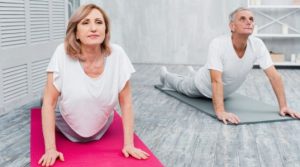
Mat Pilates is generally performed on a padded surface and may use small equipment such as resistance bands or Pilates balls. Some exercises can be adapted for seated or supported positions.
Reformer Pilates uses specialised equipment with springs, straps, and a moving carriage. The resistance can be adjusted, and the equipment can provide support for certain movements.
Neither option is automatically better for every older adult. The most appropriate choice depends on individual goals, physical ability, experience, and instructor guidance.
Making Pilates Part of an Active Lifestyle
Pilates works best as one part of a broader active lifestyle.
Older adults can combine Pilates with activities such as walking, swimming, resistance training, or other forms of movement that suit their abilities.
Different activities provide different benefits. For example, walking can support cardiovascular fitness, while resistance exercises can help maintain muscle strength.
Rest is also important. Allowing enough recovery between sessions can help prevent excessive fatigue and make exercise easier to maintain.
The focus should be on creating a routine that is realistic and enjoyable rather than trying to achieve rapid results.
Safety Considerations for Older Adults
Safety should always be considered when starting a new exercise programme.
Older adults who have not exercised recently may benefit from starting gradually. Exercises should be performed with controlled movements rather than rushed repetitions.
Pain should not simply be ignored. If an exercise causes significant or unusual pain, stop and seek appropriate advice.
People with existing health conditions, recent injuries, balance concerns, or other physical limitations should speak with a suitable healthcare professional before starting a new exercise routine.
An experienced Pilates instructor can then adapt exercises according to any relevant recommendations.
Looking Ahead
Pilates for seniors can provide a gentle and adaptable way to support strength, mobility, balance, posture, and body awareness. Its controlled movements make it possible to adjust many exercises according to an individual’s fitness level and physical abilities.
The most important factor is finding a suitable programme and progressing at a comfortable pace. With appropriate instruction and consistent participation, Pilates can become a useful part of an active ageing routine while complementing other forms of exercise.

