

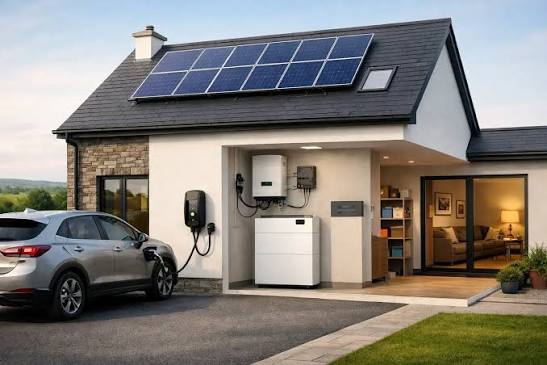
As more homeowners look for ways to reduce their carbon footprint and save on energy costs, integrating solar panels, battery storage, and electric vehicle (EV) charging at home has become an increasingly attractive solution. These technologies, when combined, offer a seamless way to generate, store, and use clean energy efficiently. By harnessing the power of the sun, storing excess energy for later use, and fueling electric vehicles directly from renewable sources, households can achieve greater energy independence and resilience. Understanding how these systems interact is key to maximizing their benefits and ensuring a sustainable future.
How these technologies complement each other
The synergy of solar panels and battery storage
Solar panels convert sunlight into electricity, providing a renewable source of power for homes. However, solar energy production is inherently variable, depending on the time of day and weather conditions. This is where battery storage becomes essential. By storing excess solar energy generated during peak sunlight hours, batteries allow homeowners to use this stored power during the evening or on cloudy days when solar production is low. This synergy not only increases the self-consumption of solar energy but also reduces reliance on the grid, leading to lower electricity bills and enhanced energy security. Battery storage systems can be programmed to optimize when energy is stored and released, ensuring that the home always has access to clean power when it is needed most. This integration also provides a backup during power outages, offering peace of mind and uninterrupted energy supply.
Integrating EV charging with home energy systems
Electric vehicles are rapidly becoming a common sight in residential neighborhoods, and their charging needs can significantly impact a household’s energy consumption. Integrating EV charging with solar panels and battery storage creates a holistic energy ecosystem at home. When an EV is charged directly from solar energy, either in real-time or via stored power in batteries, the environmental benefits are maximized, and charging costs are minimized. Smart charging systems can be set up to prioritize solar and battery power for EV charging, reducing the need to draw electricity from the grid during peak hours. This approach not only supports a cleaner transportation option but also helps balance household energy loads, making the most of renewable resources. Homeowners interested in optimizing their setup can discover more about advanced energy management solutions that coordinate solar, storage, and EV charging for maximum efficiency.
Smart energy management for modern homes
Modern home energy systems are increasingly equipped with intelligent management platforms that monitor and control the flow of electricity between solar panels, batteries, and EV chargers. These platforms use real-time data and predictive algorithms to determine the most efficient way to allocate energy resources. For example, during periods of high solar production, the system can prioritize charging the battery and the EV, while during low production times, it can draw from stored energy or the grid as needed. This level of automation not only simplifies energy management for homeowners but also ensures that energy is used in the most cost-effective and sustainable way possible. Over time, these smart systems can learn household energy usage patterns and adjust their strategies to further optimize savings and reduce environmental impact. As technology continues to advance, the integration of solar, storage, and EV charging will become even more seamless, making it easier for homeowners to transition to a cleaner energy future.
Benefits of combining solar, storage, and EV charging
The combination of solar panels, battery storage, and EV charging at home offers a range of benefits that extend beyond simple cost savings. One of the most significant advantages is increased energy independence. By generating and storing their own electricity, homeowners are less vulnerable to fluctuations in utility rates and potential grid outages. This setup also contributes to a reduction in greenhouse gas emissions, as more of the household’s energy needs are met with clean, renewable sources. Additionally, the ability to charge an EV with solar power further reduces the carbon footprint associated with transportation. Financial incentives, such as tax credits and rebates, can help offset the initial investment in these technologies, making them more accessible to a wider range of homeowners. Over time, the savings on energy bills and fuel costs can add up, making the integration of these systems a smart long-term investment.
A quick look at installation considerations
When planning to integrate solar panels, battery storage, and EV charging at home, it is important to consider factors such as available roof space, local regulations, and compatibility between different system components. Working with a reputable installer can help ensure that the system is designed to meet the specific energy needs of the household and that all components work together seamlessly. Proper sizing of the solar array and battery storage is crucial to maximize efficiency and return on investment.
Overcoming challenges and future outlook
While the integration of solar panels, battery storage, and EV charging offers many advantages, there are also challenges to consider. Upfront costs can be significant, although prices for solar panels and batteries have been steadily decreasing. Navigating local permitting processes and utility interconnection requirements can also be complex. However, as more homeowners adopt these technologies, the process is becoming more streamlined, and support from local governments and utilities is increasing. Looking ahead, advancements in battery technology, smart grid integration, and vehicle-to-grid capabilities are expected to further enhance the value and functionality of home energy systems. As these innovations become more widely available, the vision of a fully integrated, renewable-powered home is becoming a reality for more people.
Conclusion
Integrating solar panels, battery storage, and EV charging at home represents a significant step toward a more sustainable and energy-independent lifestyle. By generating clean energy, storing it for use when needed, and powering electric vehicles directly from renewable sources, homeowners can reduce their reliance on the grid and lower their environmental impact. The combination of these technologies not only provides practical benefits such as cost savings and backup power but also supports the broader transition to a cleaner energy future. As technology continues to evolve and become more accessible, more households will have the opportunity to take advantage of these integrated solutions, paving the way for a greener and more resilient world.

