

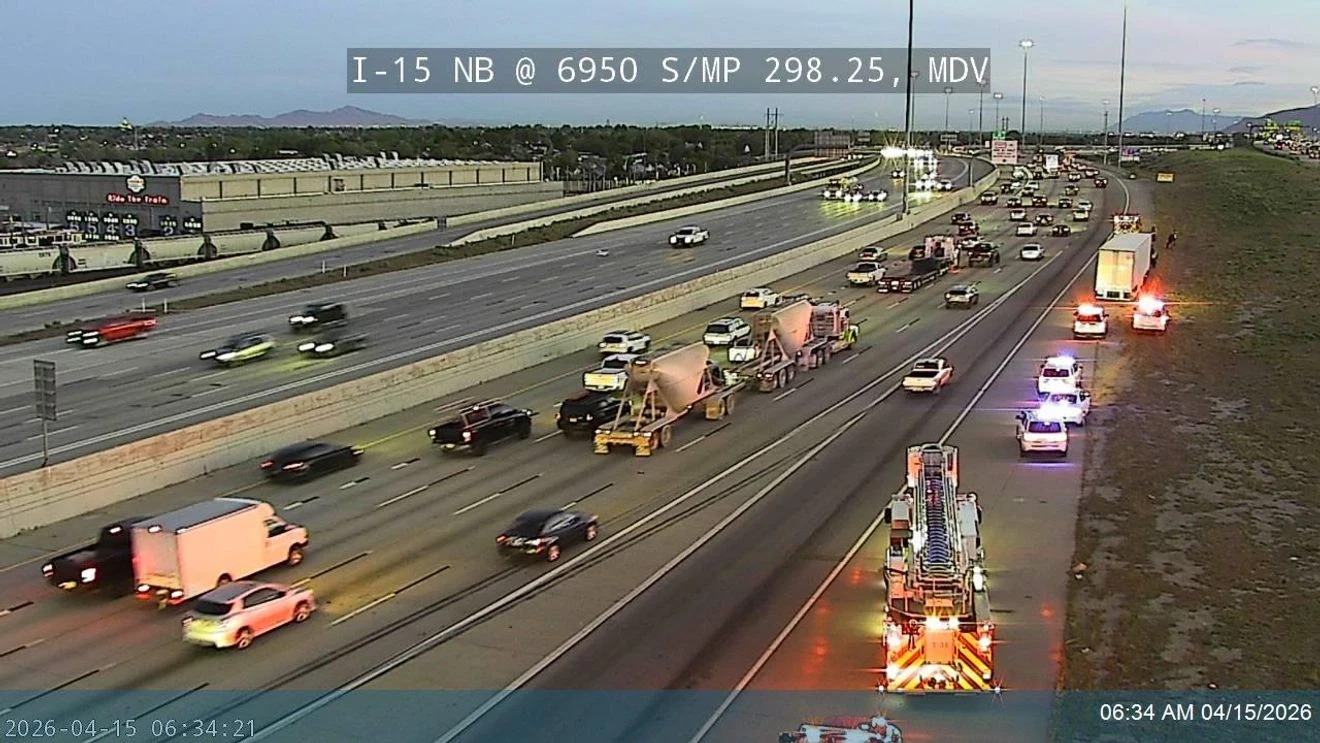
Route 15 has long been an important north-south road through western Loudoun County, connecting communities, farms, businesses, and commuters. But as commercial development and data center construction continue to expand, residents are seeing more large trucks sharing the road.
The increase in heavy commercial traffic creates challenges beyond ordinary congestion. Tractor-trailers and other commercial vehicles are larger, heavier, and more difficult to maneuver than passenger vehicles. When a collision occurs, injuries can be severe, and determining what caused the crash may require evidence not available in a typical car accident.
Understanding how investigators handle truck collisions can help drivers and families know what information matters after a serious crash.
Why Commercial Truck Traffic Is Increasing
Western Loudoun has seen significant construction activity, including projects tied to the region’s growing data center industry. Construction sites need to move equipment, building materials, concrete, fuel, and other supplies.
That means more commercial vehicles may be traveling roads such as Route 15, sometimes sharing narrow or heavily traveled sections with local traffic.
Several factors can make these roads more challenging for truck drivers and other motorists:
- Heavy trucks require more distance to stop.
- Large vehicles have substantial blind spots.
- Wide turns can occupy multiple lanes.
- Construction activity can create changing traffic patterns.
- Local roads may not have been designed for constant heavy truck traffic.
These conditions do not automatically mean that a truck driver caused a particular collision. Responsibility depends on the facts and evidence surrounding each crash.
Truck Collisions Require Different Questions
A collision involving two passenger vehicles may center on familiar issues such as speeding, distracted driving, or failure to yield. A commercial truck crash can involve those same factors. Still, investigators may also need to examine the driver’s compliance with federal and state trucking requirements.
For example, investigators may examine:
- Driver hours and required rest periods
- Electronic logging device records
- Vehicle inspection records
- Maintenance and repair history
- Cargo weight and loading procedures
- Driver qualification records
- Company policies and training
- Dispatch communications
- Vehicle data and onboard systems
These records can help establish what happened before the collision and whether a driver or carrier complied with applicable requirements.
Federal Carrier Rules Can Provide Important Evidence
Commercial motor carriers operating across state lines generally follow Federal Motor Carrier Safety Administration regulations. Those rules cover areas such as hours of service, vehicle maintenance, driver qualifications, and inspection requirements.
Driver logs can be particularly important when fatigue is suspected. A commercial driver who has exceeded permitted driving or duty limits may have records that help establish a timeline.
However, trucking evidence does not always remain available indefinitely. Electronic data, surveillance footage, dispatch records, inspection documents, and other information may have different retention periods.
That is why someone investigating a serious truck collision may need to act quickly. A Loudoun County truck accident attorney may seek relevant records and identify evidence that could otherwise become difficult to obtain.
What Evidence Can Disappear After a Truck Crash?
The physical scene of a collision changes quickly. Vehicles are moved, damaged property is repaired or discarded, and road conditions can change.
Other evidence can disappear for less obvious reasons.
Potentially useful information may include:
- Electronic vehicle data: Some commercial vehicles contain systems that record information about speed, braking, or other vehicle activity.
- Driver records: Logs and related records can help establish where the driver was and how long the driver had been working.
- Dashcam footage: Camera systems may record the moments before and during a crash.
- Business or traffic cameras: Nearby properties may have video that captures the collision or the approach to the scene.
- Maintenance records: Inspection and repair documents can help determine whether mechanical problems contributed.
- Cargo documentation: Bills of lading, loading records, and weight information may matter if cargo contributed to the crash.
Witness information can also become harder to locate over time. A witness who remembers an important detail immediately after a collision may be harder to identify months later.
What Drivers Should Do After a Serious Truck Collision
Safety should come first after any crash. Once you’ve addressed immediate medical needs, documenting what you can help preserve an accurate record.
If circumstances allow, consider:
- Contacting law enforcement and ensuring an official report is made.
- Seeking medical attention, even when symptoms initially appear minor.
- Photographing vehicles, roadway conditions, traffic signs, and visible injuries.
- Getting contact information from witnesses.
- Recording the trucking company’s name and the vehicle’s identifying information.
- Keeping medical bills, treatment records, repair estimates, and related documents.
- Avoiding speculation about fault when speaking with others at the scene.
Drivers should also avoid deleting photographs, messages, or other information connected to the crash.
When a Truck Collision Becomes Fatal
Some truck crashes result in injuries that are ultimately fatal. When that happens, the legal issues differ from those in an ordinary injury claim.
Virginia law establishes rules concerning who may bring certain claims after a person’s death and how damages may be distributed. The deceased person’s circumstances, surviving family members, and the nature of the claim can all matter.
Families may also have to deal with practical issues while grieving, including funeral expenses, lost income, medical costs incurred before death, and the loss of a family member’s support.
Who Can Bring a Wrongful Death Claim?
The right person to pursue a wrongful death action is determined by Virginia law rather than simply by personal relationship to the deceased. The applicable statute establishes the beneficiaries and how recovery may be distributed.
Because different family situations can produce different legal outcomes, families should not assume that being a spouse, parent, child, or other relative automatically answers every question about standing.
Anyone researching wrongful death claims in Loudoun County should also pay close attention to Virginia’s statutory deadlines. Missing an applicable filing deadline can affect your ability to pursue a claim, so getting legal information promptly can matter.
Common Mistakes Families Should Avoid
After a fatal collision, families may understandably focus on immediate financial and personal responsibilities. Several mistakes can make the legal process more difficult.
Waiting Too Long
Important records and physical evidence may become harder to obtain over time. Early action can help identify what evidence exists and where it may be located.
Assuming the Police Report Tells the Whole Story
A police report can be an important source of information. Still, it may not contain every piece of evidence relevant to civil liability. Commercial vehicle records, company documents, electronic data, and additional witness accounts may require separate investigation.
Throwing Away Documents
Retain medical records, bills, insurance correspondence, photographs, employment information, and funeral expenses. These documents may become relevant later.
Discussing the Case Publicly
Social media posts, public comments, or casual statements can create confusion about what happened. Families may want to limit public discussion while investigators determine the facts.
A Changing Road Requires Careful Investigation
As commercial construction activity continues in western Loudoun, Route 15 and surrounding roads may continue to see significant truck traffic; everyone using these roads should stay aware and patient.
When a serious collision does occur, however, the investigation can involve far more than determining which vehicle struck another. Driver logs, carrier records, maintenance documents, electronic data, cargo information, and witness accounts may all help explain what happened.
For injured motorists and families dealing with a fatal crash, preserving information early can help ensure that important facts are not lost before the circumstances of the collision can be fully examined.

