

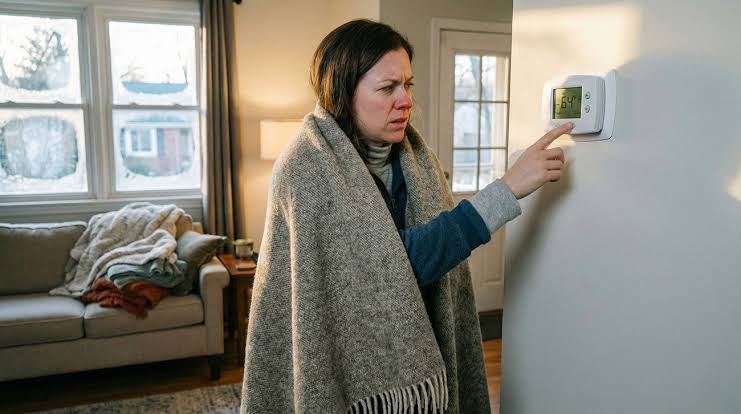
When a snowstorm hits, it can bring more than just beautiful winter scenery and a blanket of white; it can also cause unexpected problems with your home’s heating system. Many homeowners find themselves shivering indoors, wondering why their reliable furnace or heat pump suddenly stops working right when they need it most. Snow and ice can impact heating systems in several ways, from blocking vents and intakes to causing electrical issues or even damaging outdoor components. Understanding the reasons behind heating failures after a snowstorm can help you prevent future problems and keep your home warm and comfortable throughout the winter.
What to Expect After a Snowstorm
How Snowstorms Affect Heating Systems
Snowstorms can have a significant impact on the performance and reliability of your home’s heating system. One of the most common issues is the accumulation of snow and ice around outdoor units, such as heat pumps or high-efficiency furnace vents. When these components become blocked, the system cannot properly exchange air, leading to reduced efficiency or complete shutdown. Additionally, heavy snow can weigh down on outdoor equipment, causing physical damage or misalignment. In some cases, snow can melt and refreeze, creating ice dams that further restrict airflow or damage sensitive parts. Electrical outages and power surges, which are common during severe winter weather, can also disrupt the operation of thermostats, circuit boards, and other electronic controls within your heating system. These combined factors make it essential to monitor your heating equipment closely during and after a snowstorm to ensure it continues to function as intended.
Common Causes of Heating Failure After Snowstorms
One of the primary reasons heating systems stop working after a snowstorm is blocked intake or exhaust vents. High-efficiency furnaces and many modern heating systems rely on exterior vents to bring in fresh air and expel combustion gases. When snow piles up against these vents, it can cause the system to shut down as a safety precaution, preventing dangerous gases from entering your home. Another frequent issue is ice buildup on outdoor heat pump units. When ice forms on the coils or fan blades, it can prevent the system from operating efficiently or cause it to stop altogether. Power interruptions are also a major concern, as snowstorms often bring down power lines or cause voltage fluctuations that can damage sensitive components. If your heating system has a pilot light, strong winds and drafts during a storm can blow it out, leaving you without heat until it is relit. For more information on how to address these issues, you can view it now to get a better understanding of what steps to take.
Preventing Heating Problems in Winter
Taking proactive steps before and during a snowstorm can help minimize the risk of heating system failure. Start by ensuring that all exterior vents, intakes, and exhaust pipes are clear of snow, ice, and debris. Regularly check these areas during and after a storm, especially if you notice your heating system is not working as expected. If you have a heat pump, gently remove any snow or ice buildup from the unit, being careful not to damage the fins or coils. Installing a protective cover or shelter over outdoor equipment can help shield it from the elements, but make sure it does not restrict airflow. Inside your home, keep the thermostat set to a consistent temperature to prevent the system from cycling on and off too frequently, which can strain components. If you experience a power outage, turn off your heating system until power is restored to avoid potential damage from surges. Scheduling regular maintenance with a qualified technician before winter arrives can also help identify and address potential issues before they become major problems.
Quick Tips for Immediate Relief
If your heating system stops working after a snowstorm, check the thermostat settings, inspect exterior vents for blockages, and reset the system if necessary. Clear away any snow or ice from outdoor units and ensure all power switches are in the correct position. If the problem persists, contact a professional for assistance.
When to Call for Professional Help
While some heating issues can be resolved with simple troubleshooting, there are situations where professional help is necessary. If you notice unusual noises, persistent error codes, or a complete lack of heat despite your efforts, it may indicate a more serious problem within the system. Issues such as frozen pipes, damaged electrical components, or malfunctioning safety switches require the attention of a trained technician. Attempting to repair these problems yourself can be dangerous and may void your system’s warranty. Additionally, if you smell gas or suspect a carbon monoxide leak, evacuate your home immediately and contact emergency services. Regular professional maintenance is also recommended to keep your heating system running efficiently and to catch potential issues before they lead to a breakdown during a snowstorm. By knowing when to seek help, you can ensure your home stays safe and warm throughout the winter months.
Conclusion
Snowstorms can create challenging conditions for your home’s heating system, leading to unexpected breakdowns and discomfort. Understanding the common causes of heating failure, such as blocked vents, ice buildup, and power interruptions, can help you take preventive measures and respond quickly when problems arise. Regular maintenance, prompt troubleshooting, and knowing when to call for professional assistance are key to keeping your heating system running smoothly all winter long. By staying vigilant and prepared, you can minimize the risk of losing heat during the coldest days of the year and ensure your home remains a safe and comfortable haven, no matter what the weather brings.

