

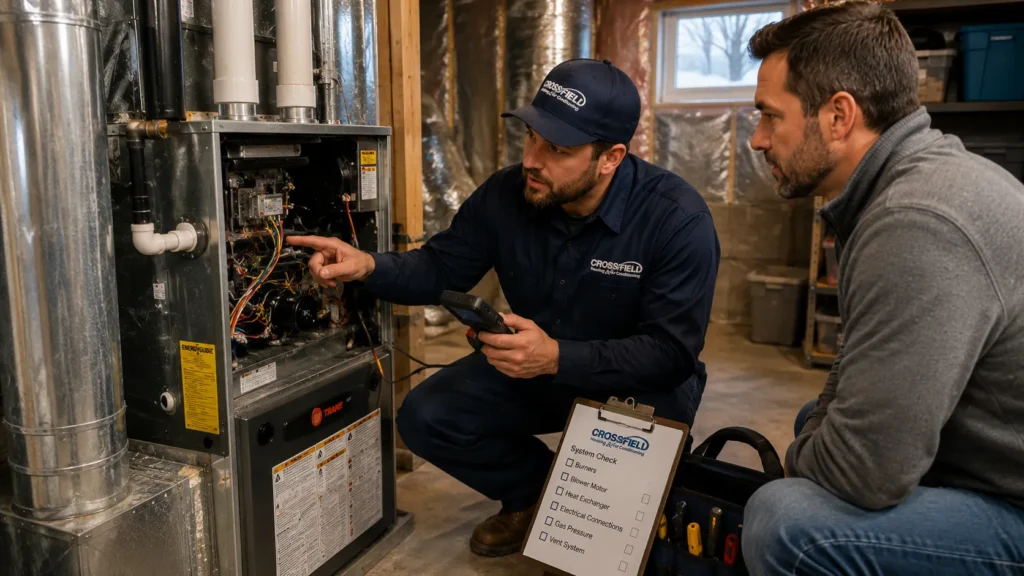
A furnace is a crucial part of any home’s heating system, especially during the colder months. When it starts making unusual noises, such as a gurgling sound before shutting down, it can be both alarming and inconvenient. Homeowners often wonder if this noise signals a minor issue or a more serious problem that could lead to a breakdown. Understanding the reasons behind these sounds is important for maintaining comfort and safety in your home. Addressing furnace noises promptly can help prevent further damage and ensure your heating system continues to operate efficiently throughout the season.
What to Expect from This Guide
Common Causes of Gurgling Noises in Furnaces
A gurgling noise coming from your furnace before it shuts down is not something to ignore. This sound often points to issues within the system that may require attention. One of the most frequent causes is the presence of air trapped in the water lines or pipes, especially in high-efficiency furnaces that use a condensate drain. When air gets trapped, it can create bubbles that move through the water, resulting in a gurgling sound. Another possible cause is a blockage or partial clog in the condensate drain line. Over time, dust, dirt, and debris can accumulate in the drain, restricting the flow of water and causing it to back up. As the furnace attempts to drain the excess water, the trapped air and water can produce a gurgling noise. Additionally, low water pressure or a malfunctioning pump can contribute to these sounds, as the system struggles to move water efficiently. Addressing these issues promptly can help prevent more serious problems and keep your furnace running smoothly.
The Role of Condensate Drain Lines
Condensate drain lines play a vital role in the operation of modern high-efficiency furnaces. These systems extract heat from combustion gases, which causes water vapor to condense and collect inside the furnace. The condensate drain line is responsible for carrying this water safely out of the unit and away from your home. If the drain line becomes clogged or partially blocked, water can accumulate inside the furnace, leading to gurgling noises as air and water are forced through the restricted passage. In some cases, the drain trap may also become blocked, further exacerbating the problem. Regular maintenance, such as cleaning the drain line and checking for obstructions, can help prevent these issues. If you notice persistent gurgling sounds, it may be time to call a professional for an inspection. Homeowners in the area often search for furnace repair winchester when they encounter these types of problems, as timely intervention can prevent more costly repairs down the line.
Signs Your Furnace Needs Immediate Attention
While some furnace noises are relatively harmless, a persistent gurgling sound before shutdown should not be ignored. This noise can indicate that water is not draining properly, which may lead to water damage inside the furnace or even cause the system to shut down unexpectedly. In addition to the gurgling noise, you might notice other warning signs such as water pooling around the base of the furnace, a musty odor, or reduced heating performance. These symptoms suggest that the condensate system is not functioning as it should, and continued operation could result in further damage. If left unaddressed, water buildup can corrode internal components, damage electrical parts, and create an environment conducive to mold growth. Promptly addressing these issues can help maintain the efficiency and longevity of your furnace, ensuring your home stays warm and comfortable throughout the heating season.
When to Call a Professional
If you have tried basic troubleshooting steps, such as checking for visible blockages or ensuring the drain line is clear, and the gurgling noise persists, it is time to seek professional help. A qualified technician can perform a thorough inspection of your furnace, identify the root cause of the noise, and recommend the appropriate repairs. Attempting to fix complex furnace issues without the proper knowledge or tools can lead to further damage or even pose safety risks. Professionals have the training and equipment needed to safely clear blockages, repair or replace faulty components, and ensure your furnace is operating at peak efficiency. Regular maintenance visits can also help catch potential problems early, reducing the likelihood of unexpected breakdowns and costly repairs in the future.
Preventing Future Furnace Noises
Preventative maintenance is key to avoiding gurgling noises and other furnace issues. Scheduling annual inspections and tune-ups can help keep your heating system in top condition. During a maintenance visit, a technician will clean the condensate drain line, check for leaks or blockages, and inspect all major components for signs of wear or damage. Homeowners can also help by keeping the area around the furnace clean and free of debris, which can reduce the risk of blockages. Monitoring your furnace for unusual sounds or changes in performance can alert you to potential problems before they become serious. By staying proactive, you can extend the life of your furnace and enjoy reliable heating throughout the winter months.
Quick Tips for Homeowners
If you hear a gurgling noise from your furnace, check the area around the unit for any visible water or leaks. Make sure the condensate drain line is not kinked or blocked. If you feel comfortable, you can try gently cleaning the drain line with a small brush or flushing it with water. However, if the noise continues or you notice other issues, it is best to contact a professional for a thorough inspection and repair.
Conclusion
A gurgling noise from your furnace before it shuts down is often a sign of a problem with the condensate drain system or trapped air in the water lines. Ignoring these sounds can lead to more serious issues, including water damage, reduced efficiency, and unexpected breakdowns. Regular maintenance and prompt attention to unusual noises can help keep your furnace running smoothly and efficiently. If you are unsure about the cause of the noise or how to fix it, reaching out to a qualified technician is the safest and most effective way to restore your home’s comfort and peace of mind. Taking these steps will help ensure your furnace continues to provide reliable warmth for years to come.

