

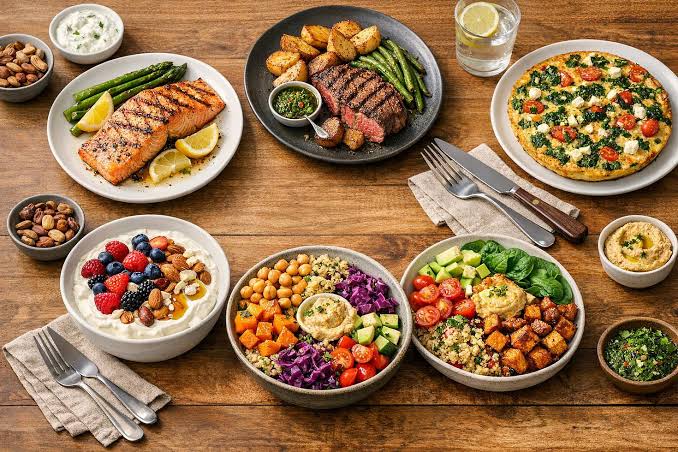
Building a protein-rich dinner is a smart way to support muscle health, maintain energy, and feel satisfied after your meal. While chicken is a popular protein source, relying on it every night can get monotonous and may limit your exposure to other nutrient-dense foods. Fortunately, there are many delicious and nutritious alternatives that can help you meet your protein needs without sacrificing flavor or variety. Exploring different protein sources can also introduce new textures and tastes to your meals, making dinner more enjoyable and balanced. Here’s how you can create a protein-packed dinner without reaching for chicken.
Protein alternatives for every palate
Exploring red meat options
Red meat offers a robust and savory alternative to chicken, providing not only high-quality protein but also essential nutrients like iron, zinc, and vitamin B12. Beef, lamb, and pork each bring their own unique flavors and nutritional profiles to the table. For those looking to diversify their protein intake, lamb is a particularly interesting choice. Sourced from grass-fed animals, lamb is often leaner and richer in omega-3 fatty acids compared to conventionally raised meats. Many people wonder, is lamb good for you? The answer depends on your dietary needs and preferences, but lamb can be a wholesome addition to a balanced diet when enjoyed in moderation. Choosing cuts like leg or loin and preparing them with plenty of vegetables can help you create a satisfying, protein-rich dinner that feels both hearty and nourishing.
Plant-based protein power
Plant-based proteins are gaining popularity for their health benefits and environmental sustainability. Legumes such as lentils, chickpeas, and black beans are excellent sources of protein and fiber, making them filling and supportive of digestive health. Tofu and tempeh, both made from soybeans, are versatile ingredients that absorb flavors well and can be grilled, sautéed, or baked to suit a variety of dishes. Quinoa, a pseudo-grain, is another plant-based option that contains all nine essential amino acids, making it a complete protein. Incorporating a mix of these foods into your dinner not only boosts protein content but also adds a range of vitamins, minerals, and antioxidants. By combining different plant proteins, you can ensure you’re getting a full spectrum of amino acids, supporting muscle repair and overall wellness without relying on animal products.
Seafood as a protein source
Seafood is a flavorful and nutrient-dense way to add protein to your dinner plate. Fish such as salmon, tuna, and cod are rich in high-quality protein and provide beneficial omega-3 fatty acids, which support heart and brain health. Shellfish like shrimp, scallops, and mussels are also excellent protein sources and cook quickly, making them convenient for weeknight meals. When choosing seafood, it’s important to consider sustainability and opt for varieties that are responsibly sourced. Preparing seafood with fresh herbs, citrus, and seasonal vegetables can create a light yet satisfying meal that delivers both protein and essential micronutrients. Including seafood in your dinner rotation not only diversifies your protein intake but also introduces new flavors and textures that can keep your meals exciting and enjoyable.
Dairy and eggs for protein variety
Dairy products and eggs are classic protein sources that can be easily incorporated into a variety of dinner recipes. Greek yogurt, cottage cheese, and ricotta are all high in protein and can be used in savory dishes, sauces, or as creamy toppings. Eggs are incredibly versatile and can be poached, scrambled, or baked into frittatas and casseroles, pairing well with vegetables, grains, and even legumes. These foods also provide important nutrients like calcium, vitamin D, and choline, supporting bone health and cognitive function. For those who tolerate dairy, choosing low-fat or fermented options can help manage calorie intake while still delivering a protein boost. Eggs, meanwhile, are a budget-friendly option that can be prepared quickly, making them ideal for busy evenings when you want a nutritious meal without much fuss.
Quick tips for balanced protein dinners
When building a protein-rich dinner, aim to include a variety of colorful vegetables and whole grains alongside your protein source. This approach ensures you’re getting a balanced mix of macronutrients, fiber, and essential vitamins. Experimenting with herbs, spices, and different cooking methods can help you discover new favorite dishes and keep your meals interesting. Remember to adjust portion sizes based on your activity level and dietary needs, and enjoy the process of creating nourishing, satisfying dinners that go beyond chicken.
Conclusion
Expanding your protein options beyond chicken opens up a world of culinary possibilities and nutritional benefits. By incorporating red meats like lamb, plant-based proteins, seafood, dairy, and eggs, you can create diverse and satisfying dinners that support your health and keep your taste buds engaged. Each protein source brings its own unique set of nutrients and flavors, allowing you to tailor your meals to your preferences and dietary goals. Whether you’re seeking variety, improved nutrition, or simply a change from routine, building a protein-rich dinner without chicken is both achievable and rewarding. Embrace the opportunity to explore new ingredients and enjoy the delicious results at your dinner table.

