

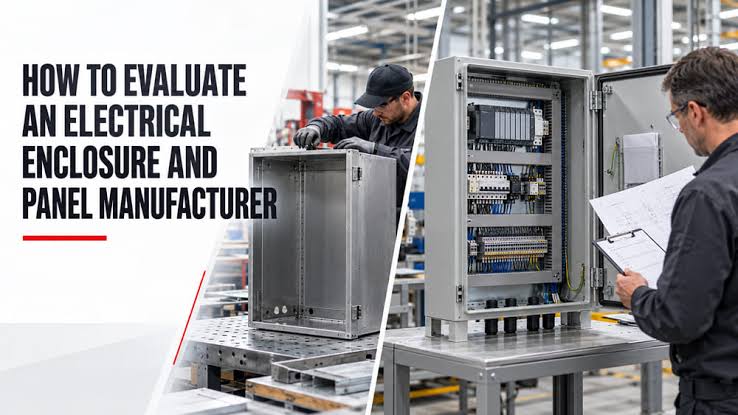
When purchasing electrical equipment, buyers often rely heavily on the manufacturer’s datasheet to make informed decisions. While datasheets provide essential technical specifications, ratings, and compliance information, they do not always tell the full story about a product’s real-world performance, reliability, or suitability for specific applications. Overlooking factors beyond the datasheet can lead to costly downtime, safety hazards, or compatibility issues. To ensure a sound investment, buyers must look deeper into aspects such as installation requirements, operational environment, maintenance needs, and independent testing results. A comprehensive evaluation helps avoid surprises and ensures the equipment will perform as expected throughout its lifecycle.
Key considerations beyond datasheets
Real-world performance and operational environment
Manufacturers’ datasheets are designed to present products in the most favorable light, focusing on optimal conditions and standardized test results. However, actual operating environments can differ significantly from these controlled scenarios. Factors such as temperature fluctuations, humidity, dust, vibration, and exposure to chemicals can all impact the performance and longevity of electrical equipment. Buyers should assess whether the equipment has been tested or proven in environments similar to their own. This includes reviewing case studies, seeking references from other users in comparable industries, and understanding how the equipment handles stressors not covered in the datasheet. Additionally, considering the installation location—whether indoors, outdoors, or in hazardous areas—can reveal potential challenges that may not be addressed by the manufacturer’s documentation. By evaluating real-world performance, buyers can better predict how the equipment will function over time and under varying conditions, reducing the risk of unexpected failures or maintenance issues.
Independent testing and certification
While manufacturers often conduct their own testing, independent third-party assessments provide an additional layer of assurance regarding safety, compliance, and performance. Certifications from recognized organizations can validate that the equipment meets industry standards and regulatory requirements. For buyers in sectors where safety and reliability are paramount, such as utilities or industrial automation, independent testing is especially important. This is where high voltage testing services come into play, offering objective evaluations that go beyond what is typically included in a datasheet. These services can uncover potential weaknesses, verify insulation integrity, and ensure the equipment can withstand real-world electrical stresses. Buyers should request documentation of third-party certifications and inquire about the scope and rigor of any external testing performed. This approach helps confirm that the equipment is not only compliant on paper but also robust enough for its intended application.
Installation and integration challenges
Integrating new electrical equipment into existing systems can present unforeseen challenges that are not always apparent from the manufacturer’s datasheet. Compatibility with legacy infrastructure, space constraints, and the need for custom mounting or wiring solutions can all impact the ease and cost of installation. Buyers should evaluate the physical dimensions, connection types, and any special installation requirements before making a purchase. Consulting with installation teams or engineers who have experience with similar equipment can provide valuable insights into potential obstacles. Additionally, understanding the level of technical support available from the manufacturer or distributor can be crucial if issues arise during installation. By proactively addressing these factors, buyers can avoid delays, additional expenses, and operational disruptions that might otherwise occur when integrating new equipment into their facilities.
Maintenance and lifecycle considerations
Ongoing maintenance is a critical aspect of electrical equipment ownership that is often overlooked during the purchasing process. The datasheet may outline recommended maintenance intervals or procedures, but it rarely provides a complete picture of the resources required to keep the equipment running smoothly. Buyers should investigate the availability of spare parts, the complexity of routine maintenance tasks, and the expected lifespan of key components. It is also important to consider the manufacturer’s track record for supporting products over time, including the availability of updates, technical documentation, and customer service. Factoring in these elements can help buyers estimate the total cost of ownership and plan for future maintenance needs, ensuring that the equipment remains reliable and cost-effective throughout its operational life.
The importance of user feedback
User feedback offers practical insights that are not captured in technical documentation. By seeking out reviews, testimonials, and case studies from other buyers, it is possible to gain a better understanding of how the equipment performs in real-world applications. This information can highlight common issues, reveal strengths and weaknesses, and provide guidance on installation or maintenance practices. Engaging with industry peers or professional networks can also uncover valuable tips and recommendations that may influence the purchasing decision.
Regulatory compliance and future-proofing
Regulatory requirements for electrical equipment can vary by region, industry, and application. While datasheets typically list compliance with major standards, buyers should verify that the equipment meets all relevant local and industry-specific regulations. This may involve consulting with regulatory bodies or third-party auditors to ensure full compliance. Additionally, considering the potential for future changes in regulations or technology can help buyers select equipment that will remain viable over the long term. Future-proofing may involve choosing products with upgradeable firmware, modular components, or compatibility with emerging standards. By taking a proactive approach to compliance and adaptability, buyers can avoid costly retrofits or replacements down the line.
Conclusion
Selecting electrical equipment based solely on the manufacturer’s datasheet can leave buyers vulnerable to unforeseen challenges and hidden costs. By looking beyond the datasheet and considering factors such as real-world performance, independent testing, installation requirements, maintenance needs, user feedback, and regulatory compliance, buyers can make more informed decisions that support long-term reliability and safety. A thorough evaluation process not only protects the initial investment but also ensures that the equipment will meet operational demands and regulatory obligations throughout its service life. Taking these additional steps empowers buyers to choose equipment that truly fits their needs and delivers consistent value over time.

