

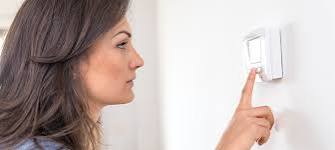
When your air conditioner continues to run even after you have turned off the thermostat, it can be both confusing and frustrating. This issue not only leads to unnecessary energy consumption but can also indicate underlying problems with your HVAC system that may require attention. Understanding why your AC behaves this way is important for maintaining comfort in your home and avoiding higher utility bills. There are several potential causes for this persistent operation, ranging from electrical malfunctions to issues with the thermostat itself. Identifying the root cause is the first step toward resolving the problem and ensuring your system operates efficiently.
What to Expect in This Guide
Common Causes of Continuous AC Operation
One of the most frequent reasons an air conditioner keeps running after the thermostat is turned off is a malfunctioning thermostat. The thermostat acts as the control center for your HVAC system, signaling when to start and stop cooling. If it fails to send the correct signals, your AC may continue to operate regardless of your settings. Another possible cause is a stuck relay or contactor in the outdoor unit. These electrical components are responsible for powering the compressor and fan. If they become stuck in the closed position, the system will keep running even when it should be off. Wiring issues, such as short circuits or damaged wires, can also disrupt communication between the thermostat and the AC unit, leading to continuous operation. In some cases, the fan setting on the thermostat may be set to “on” instead of “auto,” causing the blower to run non-stop even when cooling is not needed. Each of these issues requires a different approach to diagnose and fix, but understanding them can help you communicate more effectively with a technician and potentially prevent further damage to your system.
Electrical Problems and Their Impact
Electrical problems are a significant factor when it comes to air conditioners that refuse to shut off. The AC system relies on a series of relays, contactors, and circuit boards to function properly. If any of these components fail, the system may not receive the signal to stop running. For example, a stuck contactor in the outdoor unit can keep the compressor and fan running continuously, regardless of the thermostat setting. Similarly, a malfunctioning relay in the air handler can cause the blower to operate non-stop. These electrical issues can be caused by age, wear and tear, or even power surges. Addressing electrical problems often requires professional diagnosis and repair, as working with high-voltage components can be dangerous. If you suspect an electrical issue, it is important to turn off the power to your AC system and contact a qualified technician to inspect and repair the faulty components. Ignoring these problems can lead to further damage and increased repair costs over time.
The Role of the Thermostat
The thermostat is a critical component in regulating your home’s temperature and ensuring your AC system operates efficiently. When the thermostat malfunctions, it can send incorrect signals to the air conditioner, causing it to run continuously. This can happen if the thermostat’s internal sensors are faulty, if the wiring is damaged, or if the device is simply outdated. In some cases, the thermostat may lose its calibration, leading to inaccurate temperature readings and improper system operation. Homeowners may notice that the AC does not respond to changes in the thermostat setting or that the system continues to run even when the desired temperature has been reached. Upgrading to a modern programmable or smart thermostat can help prevent these issues by providing more accurate control and better communication with your HVAC system. However, if the problem persists after replacing the thermostat, it may be necessary to investigate other components of the system for faults. For more information on this topic, you can refer to see details for a comprehensive overview of potential solutions.
Short Paragraph: When to Call for Help
If your AC keeps running after turning off the thermostat and basic troubleshooting does not resolve the issue, it is time to seek professional assistance. Persistent problems can indicate deeper electrical or mechanical faults that require specialized tools and knowledge to fix safely. Delaying repairs can lead to increased energy bills, unnecessary wear on your system, and potential safety hazards. A qualified technician can quickly diagnose the root cause and recommend the most effective solution, ensuring your home remains comfortable and your AC operates efficiently.
Maintenance Tips to Prevent Future Issues
Regular maintenance is essential for keeping your air conditioning system in good working order and preventing issues like continuous operation. Scheduling annual inspections with a qualified technician allows for early detection of worn or faulty components, such as relays, contactors, and wiring. During these inspections, the technician will check for signs of electrical problems, clean the system, and ensure all settings are correct. Homeowners can also take steps to maintain their AC by changing air filters regularly, keeping the area around the outdoor unit clear of debris, and ensuring the thermostat is functioning properly. Monitoring your system for unusual noises, odors, or performance changes can help catch problems early before they escalate. By investing in routine maintenance and addressing minor issues promptly, you can extend the lifespan of your AC system, improve energy efficiency, and avoid the inconvenience of unexpected breakdowns. Preventive care not only saves money in the long run but also ensures your home remains comfortable throughout the cooling season.
Conclusion
Understanding why your air conditioner keeps running after the thermostat is turned off is crucial for maintaining a comfortable and energy-efficient home. Persistent operation can be caused by a range of issues, including thermostat malfunctions, electrical problems, or incorrect settings. Addressing these problems promptly helps prevent further damage to your HVAC system and reduces unnecessary energy consumption. Regular maintenance and timely repairs are key to ensuring your air conditioner operates as intended. If you encounter ongoing issues, do not hesitate to contact a qualified technician for a thorough inspection and professional repair. Taking these steps will help you enjoy reliable cooling and peace of mind throughout the year.

